

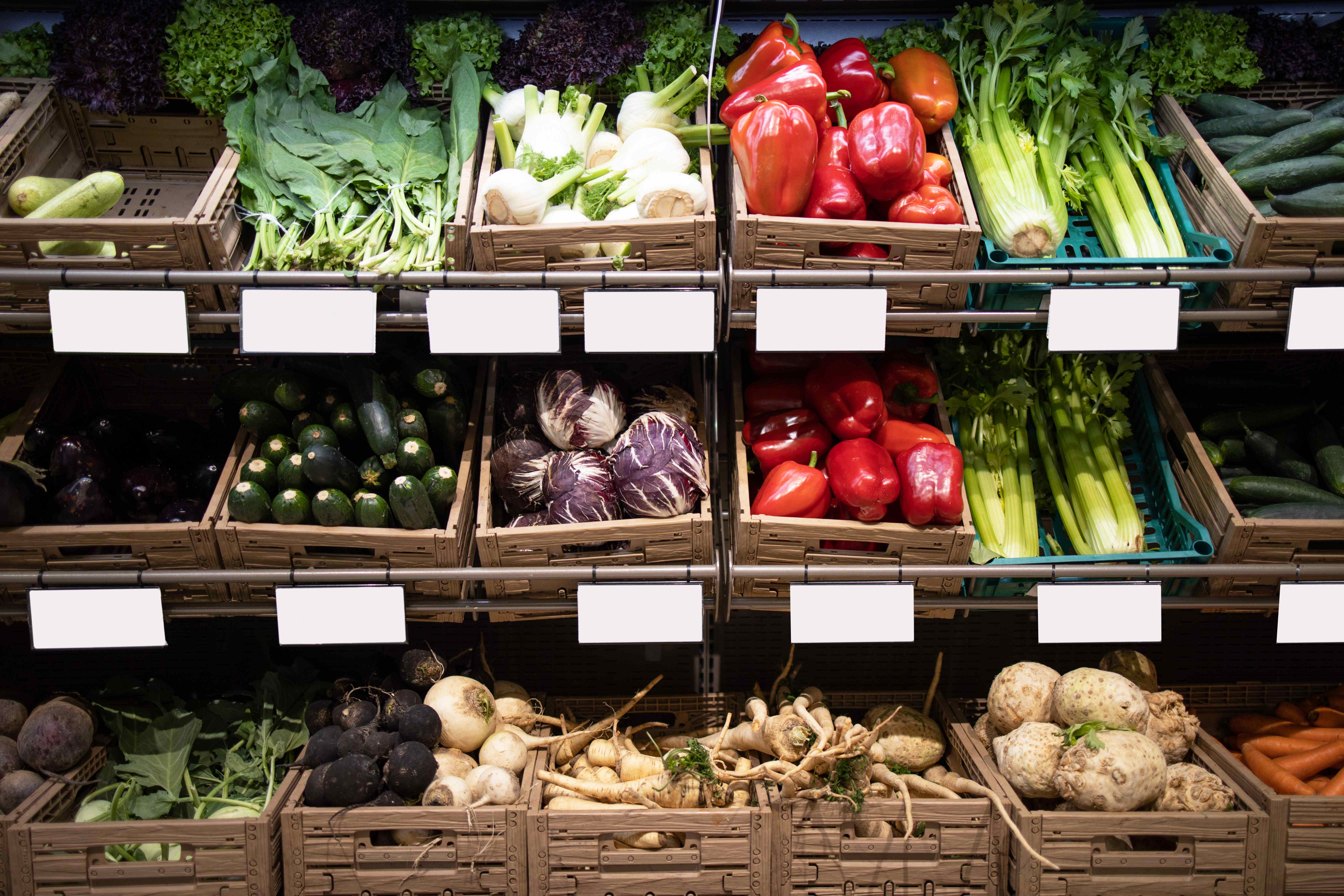

Fresh fruit and vegetables are essential ingredients in restaurants, hotels, cafés, bars and catering businesses. From breakfast buffets and fresh salads to main courses, desserts and garnishes, the quality of produce has a direct influence on the food customers receive. However, buying good-quality ingredients is only one part of the process. How fresh produce is stored, handled and monitored after delivery is equally important.
Effective fresh produce storage for restaurants helps businesses maintain ingredient quality, reduce unnecessary food waste and make better use of purchasing budgets. Without suitable storage conditions, even high-quality fruit and vegetables can lose freshness quickly, develop spoilage or become unsuitable for kitchen use.
Hospitality businesses need practical systems for temperature management, stock rotation, freshness inspections and purchasing coordination. This guide explains how professional kitchens can manage fresh produce more effectively and protect the value of every delivery.
1. Why Fresh Produce Storage Matters in Hospitality
Fresh produce is naturally perishable. Unlike many packaged ingredients, fruit and vegetables continue to change after harvesting. Their condition can be affected by temperature, humidity, airflow, handling, moisture and the time spent in storage.
Poor storage practices can create several problems for hospitality businesses:
-
Higher food waste: Produce may spoil before kitchen teams have an opportunity to use it.
-
Increased purchasing costs: Businesses may need to replace ingredients that have deteriorated.
-
Inconsistent food quality: Wilted leaves, soft fruit and damaged vegetables can affect the appearance and taste of dishes.
-
Disrupted kitchen operations: Staff may have to find alternative ingredients when expected stock is no longer suitable.
-
Reduced customer satisfaction: Ingredients that lack freshness can affect the overall dining experience.
A well-organised storage system helps kitchens maintain a reliable supply of ingredients while making purchasing and menu planning more predictable.
2. Understand the Storage Requirements of Different Produce
Not all fruit and vegetables should be stored in the same conditions. Some products benefit from refrigeration, while others can deteriorate when exposed to excessively cold temperatures.
Understanding the requirements of individual ingredients is an important starting point.
Refrigerated produce
Some fresh produce benefits from chilled storage, particularly leafy vegetables, prepared salads, berries and other delicate ingredients. Refrigeration can help slow deterioration when the temperature and conditions are suitable for the product.
Examples include:
-
Lettuce and salad leaves
-
Spinach and other leafy greens
-
Strawberries and raspberries
-
Broccoli and cauliflower
-
Fresh herbs that require chilled storage
-
Prepared and cut vegetables
These ingredients should be stored in suitable containers or packaging that protects them from contamination and helps prevent unnecessary moisture loss.
Produce suitable for cool, ventilated storage
Some vegetables are better kept in a cool, dry or well-ventilated area rather than exposed to unsuitable refrigeration conditions.
Examples can include:
-
Potatoes
-
Onions
-
Garlic
-
Certain varieties of squash
-
Sweet potatoes
These products should be protected from excessive heat, direct sunlight and damp conditions. Potatoes, for example, should generally be kept in a cool, dark place with suitable ventilation.
Fruit that requires careful separation
Some fruits release ethylene, a naturally occurring gas that can influence the ripening of nearby produce. Apples, bananas and avocados are examples of fruits that can affect the ripening process of more sensitive ingredients.
Restaurants should consider which products are stored together, especially when managing delicate vegetables, leafy greens and fruit intended to remain fresh for several days.
The most suitable storage conditions depend on the specific product, its ripeness and the supplier's handling instructions. A single temperature setting or storage method will not be appropriate for every type of produce.
3. Temperature Management and Refrigeration
Temperature management is one of the most important parts of fresh produce storage for restaurants. Incorrect conditions can accelerate deterioration, affect texture and reduce the usable life of ingredients.
Commercial kitchens should have appropriate storage facilities and regularly check that refrigeration equipment is operating as intended.
Monitor refrigerator temperatures
Use reliable thermometers or digital monitoring systems to check refrigerator conditions. Record readings according to the kitchen's food safety procedures and investigate unexpected changes.
For chilled foods that require temperature control for safety, UK food businesses must follow the applicable food safety requirements. The Food Standards Agency provides guidance on managing food storage and temperature controls.
Avoid overfilling refrigerators
Overloading refrigerators can restrict airflow and create areas where temperatures are less consistent. Staff should leave enough space for air to circulate around stored products.
A well-organised refrigerator also makes it easier to identify ingredients, inspect their condition and rotate stock.
Keep refrigerator doors closed
Frequent or prolonged door opening can affect internal temperatures. Kitchen teams should organise storage areas so frequently used ingredients are easy to locate and retrieve.
Check equipment regularly
Refrigerators should be cleaned, maintained and checked for signs of faults. Damaged seals, blocked vents and poor airflow can affect performance and increase the risk of produce deterioration.
Temperature management should be part of a routine rather than something staff consider only when a problem occurs.
4. Use Suitable Packaging and Storage Containers
Packaging plays an important role in protecting fresh produce after delivery. The right containers can help prevent physical damage, contamination and unnecessary moisture loss.
Restaurants should choose food-grade containers and packaging that are appropriate for the ingredients being stored.
Useful practices include:
-
Use clean containers for prepared and delicate produce.
-
Keep ingredients protected from dust and potential contamination.
-
Avoid crushing soft fruit and leafy vegetables under heavier items.
-
Use suitable ventilation where products require airflow.
-
Keep cut or prepared produce in appropriate covered containers.
-
Label transferred ingredients clearly where necessary.
Moisture also needs attention. Excess water can encourage deterioration in some products, while insufficient humidity can cause others to wilt or dry out. Staff should follow product-specific storage guidance rather than applying the same approach to every ingredient.
5. Apply First In, First Out Stock Rotation
Stock rotation is essential for reducing waste and making sure ingredients are used in a sensible order. One widely used approach is the First In, First Out (FIFO) system.
Under FIFO, older stock is placed where it will be selected before newer deliveries. When fresh produce arrives, staff should check existing inventory and organise the new stock behind or below the older suitable products.
For example, if a restaurant receives a new delivery of tomatoes while an earlier batch is still in storage, the older tomatoes should normally be used first if they remain in acceptable condition.
A practical rotation process includes:
-
Check the condition of existing produce before accepting new stock into storage.
-
Identify older deliveries and any ingredients approaching the end of their usable life.
-
Place suitable older stock in accessible positions.
-
Store new deliveries behind or below existing stock.
-
Label products where needed with delivery or preparation dates.
-
Review stock regularly and remove produce that is no longer suitable.
For products with use-by dates, staff must follow those dates and the relevant food safety procedures. FIFO supports stock organisation, but it does not replace date checks or freshness inspections.
6. Carry Out Regular Freshness Checks
A product can become unsuitable for kitchen use before staff notice it during normal preparation. Regular inspections help identify deterioration early and prevent poor-quality ingredients from being used in dishes.
Freshness checks should take place when deliveries arrive, during storage inspections and before ingredients are prepared.
What should kitchen staff look for?
Leafy vegetables: Check for wilting, yellowing, sliminess, unusual odours and damaged leaves.
Tomatoes: Look for excessive softness, leaking, mould and damaged skin.
Berries: Check for mould, crushed fruit, excessive moisture and signs of deterioration.
Root vegetables: Look for soft areas, mould, unusual odours and significant damage.
Fresh herbs: Check for discolouration, wilting, slimy stems and loss of quality.
Citrus fruits: Look for mould, damaged skin, excessive softness and unusual odours.
Staff should not rely on appearance alone when deciding whether food is safe. Follow the business's food safety procedures and discard any ingredients that are unsafe or unsuitable. Do not attempt to make spoiled produce usable simply by cutting away visibly damaged areas without an appropriate assessment.
7. Keep Storage Areas Clean and Organised
Clean storage facilities support both food safety and produce quality. Dirt, damaged packaging, spilled liquids and poorly organised shelves can create problems that affect ingredients throughout the kitchen.
Restaurants should establish a regular cleaning schedule covering refrigerators, shelving, storage containers and produce areas.
Important practices include:
-
Clean shelves and storage containers regularly.
-
Remove damaged or spoiled produce promptly.
-
Keep ingredients off the floor.
-
Store food away from cleaning chemicals.
-
Protect ready-to-eat ingredients from contamination.
-
Keep storage areas free from pests.
-
Separate products according to their storage and handling requirements.
Fresh vegetables may carry soil and other contaminants, so businesses should take care when storing unwashed produce. Keep it separate from ready-to-eat food and follow suitable handling and preparation procedures.
The UK Food Standards Agency recommends that food businesses maintain appropriate storage and transport arrangements to protect food from contamination.
8. Manage Prepared and Cut Vegetables Carefully
Prepared vegetables and ready-to-use salad products can save valuable preparation time in busy professional kitchens. However, once produce has been washed, peeled, sliced or cut, its handling and storage requirements may change.
Restaurants should pay particular attention to prepared ingredients because their condition can deteriorate differently from whole produce.
For better management:
-
Follow the supplier's storage instructions.
-
Keep prepared products at the required temperature.
-
Use clean, suitable and covered containers.
-
Label products with relevant preparation or opening information.
-
Avoid preparing more than the kitchen expects to use.
-
Check condition before service.
-
Follow appropriate food safety procedures for ready-to-eat products.
Kitchen teams should also avoid mixing fresh deliveries with older prepared ingredients without checking their condition and storage history.
9. Reduce Food Waste Through Better Storage Planning
Food waste is not always caused by poor-quality deliveries. In many cases, businesses purchase more produce than they can realistically use, store ingredients incorrectly or fail to monitor stock levels.
A better approach combines storage management with purchasing and menu planning.
Match orders to actual demand
Review reservations, expected customer numbers, seasonal demand and menu requirements before placing orders. A restaurant expecting a quieter trading period may need smaller deliveries rather than its usual purchasing quantities.
Review ingredient usage
Track which ingredients are frequently left unused or discarded. This can help identify over-ordering, poor storage practices or menu items that do not sell as expected.
Use suitable ingredients across multiple dishes
Where appropriate, plan menus that use shared ingredients in different dishes. For example, certain vegetables and herbs may be suitable for salads, soups, side dishes and garnishes.
Coordinate deliveries
More frequent, appropriately sized deliveries can help some businesses maintain freshness without holding excessive quantities. The best delivery schedule depends on storage capacity, supplier availability and the kitchen's daily requirements.
10. Create a Daily Fresh Produce Storage Checklist
A simple checklist makes storage procedures easier for staff to follow consistently. Managers can use it to assign responsibilities and identify problems before they affect kitchen operations.
A daily inspection can include:
-
Check refrigerator temperatures and record readings.
-
Inspect newly delivered fruit and vegetables.
-
Remove produce that is spoiled or unsuitable.
-
Rotate existing stock before storing new deliveries.
-
Check labels and relevant dates.
-
Confirm that products are stored in suitable conditions.
-
Inspect packaging and storage containers.
-
Clean spills and remove damaged packaging.
-
Review ingredients that need to be used soon.
-
Report refrigeration or storage equipment problems.
This process does not need to be complicated. A short inspection at the start of a shift, supported by regular checks throughout the day, can improve consistency.
11. Choose Suppliers Who Understand Fresh Produce Handling
Good storage practices begin before ingredients reach the kitchen. The quality of a delivery can be influenced by how produce is selected, handled, packed and transported by the supplier.
Hospitality businesses should look for suppliers who understand the importance of freshness, reliable delivery schedules and appropriate product handling.
When assessing a supplier, consider:
-
Consistency of produce quality.
-
Availability of seasonal fruit and vegetables.
-
Product range and suitable alternatives.
-
Delivery frequency and reliability.
-
Packaging and handling standards.
-
Ability to respond to changing order requirements.
-
Communication when products are unavailable.
Clear communication between the kitchen and supplier can also help businesses manage substitutions, adjust order quantities and avoid unnecessary stock.
12. How Procurement Support Can Improve Fresh Produce Management
Fresh produce storage is closely connected to purchasing decisions. Ordering the right quantities, selecting suitable suppliers and arranging deliveries around kitchen demand can make storage management much easier.
Hospitality businesses that manage procurement effectively are better placed to reduce excess stock, maintain ingredient availability and control purchasing costs.
ES Connect provides hospitality procurement support for businesses looking to improve supplier sourcing and purchasing arrangements. Its fruit and vegetable wholesale sourcing services for hospitality businesses are relevant to restaurants, hotels, cafés and other foodservice operators that need dependable fresh produce supply.
By reviewing purchasing requirements, supplier options and delivery needs, businesses can develop a more organised approach to fresh produce procurement.
13. Build a Consistent Fresh Produce Management Routine
Maintaining fresh ingredients requires more than a refrigerator and a delivery schedule. It depends on a consistent routine that connects purchasing, receiving, storage, stock rotation and kitchen preparation.
Restaurants should make sure staff understand where different products belong, how to check their condition and when older stock should be used. Managers should also review storage capacity and purchasing patterns as menus, customer numbers and seasonal availability change.
Small improvements can make a noticeable difference. Better organisation, regular inspections and sensible ordering can help hospitality businesses protect produce quality while reducing avoidable waste.
Conclusion
Effective fresh produce storage for restaurants is an important part of running an organised and cost-conscious hospitality operation. Suitable storage conditions, careful temperature management, regular freshness checks and reliable stock rotation help businesses maintain ingredient quality and reduce unnecessary waste.
By combining good kitchen procedures with thoughtful purchasing and dependable supplier relationships, restaurants, hotels, cafés and catering businesses can make better use of their fresh produce deliveries.
A consistent approach to storage and shelf-life management helps protect both the quality of the food served and the value of the ingredients purchased.

