

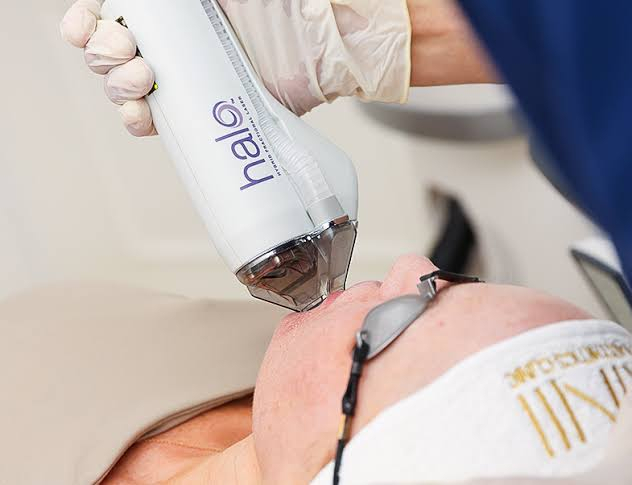

Halo laser treatment is a popular skin rejuvenation option for people looking to improve skin texture, uneven tone, fine lines, and visible sun damage. However, it may not be suitable for everyone, especially when certain skin conditions or medical factors are present. People researching Halo Treatment in Dubai can explore treatment suitability at Dynamic Clinic in Dubai, while understanding when laser resurfacing may need to be delayed or avoided.
Who Is Unsuitable for Halo Treatment?
Halo is a hybrid fractional laser treatment that combines ablative and non-ablative wavelengths. It works by creating controlled microscopic treatment zones in the skin, encouraging renewal and supporting collagen production.
Although this approach can address several skin concerns, individual skin health plays an important role in determining suitability. A professional skin assessment is necessary before treatment because certain conditions can increase the risk of irritation, delayed healing, pigmentation changes, or other complications.
When Should Active Skin Conditions Be Treated First?
People experiencing active skin problems may need to postpone Halo treatment until their skin has recovered. Applying laser energy to already irritated or inflamed skin can increase discomfort and interfere with the healing process.
Conditions that may require additional attention include:
- Active acne breakouts: Inflamed acne lesions may become more irritated following laser treatment.
- Skin infections: Bacterial, viral, or fungal infections should generally be resolved before undergoing resurfacing.
- Cold sores: Individuals with a history of herpes simplex infections may require preventive antiviral medication.
- Eczema and psoriasis: Active flare-ups can make the skin more sensitive and vulnerable to irritation.
- Open wounds: Cuts, abrasions, or damaged skin can increase the risk of complications.
A qualified practitioner can determine whether the condition needs treatment before laser resurfacing is considered.
Can Darker Skin Tones Increase the Risk of Pigmentation?
Skin tone is an important consideration when planning fractional laser procedures. People with darker skin tones may have a higher risk of post-inflammatory hyperpigmentation, which causes darker patches to develop after skin irritation or inflammation.
Halo treatment may still be an option for some individuals with deeper skin tones, but careful assessment and appropriate laser settings are essential.
Factors that influence pigmentation risk include:
- Previous experiences with hyperpigmentation.
- Existing melasma or uneven skin tone.
- Recent sun exposure or tanning.
- Individual skin sensitivity.
- History of pigmentation following cosmetic procedures.
A practitioner may recommend a test spot or alternative treatment when the risk of pigmentation is considered high.
Why Is Recent Sun Exposure a Concern?
Excessive sun exposure before laser resurfacing can make the skin more sensitive and increase the likelihood of unwanted pigmentation. Recently tanned skin may also respond unpredictably to laser energy.
People who spend considerable time outdoors in Dubai should pay particular attention to sun protection before and after treatment.
Halo treatment may need to be postponed if someone has:
- A recent sunburn.
- Fresh tanning from outdoor activities.
- Significant skin redness caused by UV exposure.
- Difficulty avoiding direct sunlight during recovery.
Consistent sunscreen use, protective clothing, and limiting unnecessary sun exposure help support safer treatment planning.
When Can Medical Conditions or Medications Affect Suitability?
Certain health conditions and medications can influence how the skin responds to laser treatment. For example, individuals with a history of poor wound healing, immune system disorders, or conditions affecting skin repair may require additional evaluation.
Some medications can also increase sensitivity or interfere with healing.
Important considerations include:
- Blood-thinning medications: These may affect bruising and recovery.
- Photosensitising medications: Certain drugs can increase sensitivity to light-based treatments.
- Recent isotretinoin use: The timing of laser procedures should be discussed with a qualified medical professional.
- Immune-related conditions: Reduced immune function may affect recovery and infection risk.
- Healing disorders: A history of abnormal scarring or delayed wound healing requires careful assessment.
Patients should provide a complete medical and medication history rather than stopping prescribed medication without medical advice.
Is Halo Treatment Suitable During Pregnancy or Breastfeeding?
Elective cosmetic laser procedures are generally postponed during pregnancy because safety information is limited. Although the laser acts locally on the skin, there is insufficient evidence to establish the safety of elective resurfacing during pregnancy.
Breastfeeding also requires an individual assessment, particularly if topical numbing products or additional medications are involved.
Discussing treatment timing with a healthcare professional is the most appropriate approach when pregnancy or breastfeeding is a consideration.
What Alternatives May Be Considered?
When Halo is unsuitable, other skin treatments may help address specific concerns. The appropriate alternative depends on skin type, the condition being treated, and the reason laser resurfacing is not recommended.
Possible options include:
- Gentle chemical peels: May improve mild pigmentation and uneven skin texture.
- Medical-grade skincare: Ingredients such as retinoids, vitamin C, and niacinamide may support skin renewal and improve visible discoloration.
- Non-laser treatments: Certain procedures may address specific skin concerns with different recovery requirements.
- Hydrating treatments: May help improve dryness and the appearance of dull skin.
Not every alternative is suitable for every individual, so professional guidance remains important.
How Can You Prepare for a Halo Suitability Assessment?
A proper consultation helps identify potential risks before treatment begins. Patients should discuss their skin goals, previous cosmetic procedures, medical history, and current skincare routine.
Useful preparation steps include:
- Share details of previous laser treatments.
- Mention any history of cold sores or abnormal scarring.
- Disclose prescription medications and topical products.
- Avoid tanning and excessive sun exposure.
- Follow professional instructions about exfoliants and active skincare ingredients.
This information helps determine whether Halo is appropriate, whether treatment should be delayed, or whether another approach may be more suitable.
Conclusion
Halo treatment may not be recommended for individuals with active skin infections, recent sunburn, certain medical conditions, healing difficulties, or an increased risk of pigmentation complications. Pregnancy and specific medication use may also influence treatment timing. A personalised skin assessment is essential for identifying potential risks and selecting an approach that supports skin health while addressing individual rejuvenation goals.

