

Heart health deserves attention, especially when symptoms such as breathlessness, chest discomfort, or unusual fatigue need medical evaluation. Doctors may recommend an echocardiogram to understand how the heart functions and identify possible structural concerns. When searching for Echocardiography Testing Centres in Bangalore, patients should consider more than convenience. Equipment quality, trained professionals, accurate reporting, and patient care all play an important role. Understanding the examination beforehand can also make the experience less stressful. Exploring echocardiography test services in Bangalore can help patients understand the available diagnostic options.
What Is an Echocardiography Test?
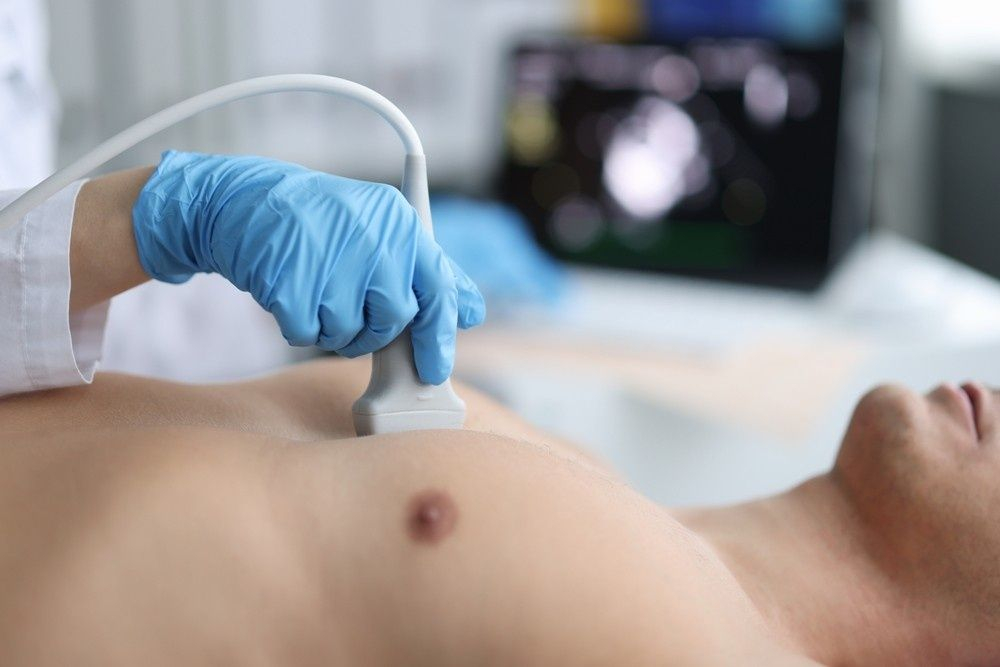
An echocardiogram, commonly called an echo test, is an ultrasound examination of the heart. It uses high-frequency sound waves to create moving images of the heart and its structures.
Unlike an X-ray or CT scan, this examination does not use ionising radiation. It allows doctors to observe how the heart chambers, valves, and surrounding structures work.
An echocardiogram can provide useful information about:
-
The size and shape of the heart.
-
The movement and pumping function of the heart muscle.
-
How blood flows through the heart valves.
-
Possible valve abnormalities.
-
Certain structural problems present from birth or developed later.
Doctors interpret the findings alongside symptoms, medical history, and other test results before recommending treatment or further investigation.
When Should You Visit Echocardiography Testing Centres in Bangalore?
An echocardiogram is recommended when a doctor needs more information about the heart's structure or pumping activity. It may be advised during routine evaluation of certain cardiac conditions or when specific symptoms require investigation.
Common reasons include:
Persistent Breathlessness
Unexplained breathlessness, particularly during physical activity or when lying down, may sometimes be associated with heart-related conditions. An echocardiogram can help assess heart function when clinically indicated.
Chest Discomfort and Palpitations
People experiencing chest discomfort, irregular heartbeats, or unusual palpitations may require different cardiac investigations. An echocardiogram can help identify certain structural or functional abnormalities, although it does not replace an ECG or other tests.
Heart Valve Problems
The examination helps assess whether heart valves open and close properly. It can also provide information about conditions such as valve narrowing or leakage.
Monitoring Existing Heart Conditions
Patients with known heart conditions may need periodic imaging to monitor changes in heart function. The frequency of testing depends on the individual's condition and the treating doctor's advice.
If you are considering Echocardiography Testing Centres in Bangalore, consult your physician first to confirm which type of examination is appropriate.
Different Types of Echocardiography Tests
Not every echocardiogram follows the same procedure. The doctor selects the examination based on the clinical question being investigated.
1. Transthoracic Echocardiogram (TTE)
This is the most common type. A trained professional moves an ultrasound probe over the chest to capture images of the heart. It is non-invasive and generally does not require special preparation.
2. Transoesophageal Echocardiogram (TEE)
In this examination, a specialised ultrasound probe is passed into the oesophagus to obtain detailed images of the heart. It may be recommended when clearer views are needed. Sedation and specific preparation are generally required.
3. Stress Echocardiogram
This test evaluates heart function during or immediately after physical exercise or medication-induced stress. It may help doctors investigate certain heart-related symptoms.
4. Doppler Echocardiography
Doppler techniques assess the direction and speed of blood flow through the heart, helping identify certain valve and circulation-related abnormalities.
How to Choose the Right Diagnostic Centre in Bangalore
Bangalore has several diagnostic facilities offering cardiac imaging. Choosing an appropriate centre involves checking a few important factors.
-
Qualified professionals: Confirm that the examination is performed by trained personnel and interpreted by a qualified cardiologist or appropriately trained medical professional.
-
Modern equipment: Suitable ultrasound equipment and proper maintenance contribute to reliable image acquisition.
-
Clear reporting: Ask about report availability and whether the findings can be discussed with your referring doctor.
-
Patient comfort: Look for a facility that explains the procedure, answers questions, and provides appropriate assistance.
-
Convenient location: Consider accessibility, travel time, parking, and appointment availability.
-
Transparent pricing: Confirm the examination fee and ask whether additional charges apply.
When comparing Echocardiography Testing Centres in Bangalore, avoid making decisions based only on online ratings or the lowest advertised price. Professional expertise and the suitability of the examination should remain priorities.
How to Prepare for an Echocardiogram
Preparation depends on the type of examination being performed.
For a standard transthoracic echocardiogram, fasting is usually unnecessary. However, other procedures may involve specific instructions.
Before your appointment:
-
Carry your doctor's prescription and previous cardiac reports.
-
Inform the medical team about your medications and relevant medical history.
-
Wear comfortable clothing that allows easy access to the chest area.
-
Confirm whether fasting or medication adjustments are necessary.
-
Arrive early to complete registration and discuss any concerns.
Never stop prescribed medication unless your doctor specifically advises you to do so.
What Happens During and After the Test?
During a standard echocardiogram, you will usually lie on an examination bed while the professional applies gel to your chest and moves the ultrasound probe over different areas.
You may be asked to change positions or briefly hold your breath to obtain clearer images. The procedure is generally painless, although slight pressure from the probe may be felt.
Once the examination is complete, the images are reviewed and a report is prepared. Your doctor will explain the findings and determine whether medication, further testing, or follow-up is necessary.
Searching for Echocardiography Testing Centres in Bangalore should also involve checking how reports are delivered and whether previous images can be accessed for comparison.
Conclusion
An echocardiogram can provide valuable information about heart structure, valve function, and blood flow. Choosing an appropriate diagnostic facility helps ensure that the examination is performed and interpreted according to clinical requirements. When exploring Echocardiography Testing Centres in Bangalore, consider professional qualifications, equipment, reporting arrangements, patient support, and accessibility. Most importantly, follow your doctor's recommendations and discuss your results with a qualified healthcare professional to make informed decisions about your heart health.
Frequently Asked Questions
1. Is an echocardiogram painful?
No. A standard echocardiogram is generally painless. You may experience slight pressure when the ultrasound probe is moved across your chest.
2. How long does a standard heart ultrasound take?
Most routine examinations take approximately 30–60 minutes, depending on the complexity of the assessment.
3. Do I need to fast before the examination?
Fasting is generally not required for a standard transthoracic examination. Other types may have specific preparation instructions.
4. Can an echocardiogram detect blocked arteries?
An ordinary echocardiogram does not directly show coronary artery blockages. Other investigations may be needed depending on the symptoms and clinical assessment.
5. How often should I undergo this examination?
There is no universal testing schedule. The frequency depends on your medical condition, symptoms, previous findings, and your doctor's recommendations.

