

Heart health is not always easy to assess through symptoms alone. Some people experience chest discomfort, breathlessness, or unusual fatigue only when physically active. In such situations, a doctor may recommend a treadmill stress test to understand how the heart responds to exercise. If you are researching a tmt test in bangalore, knowing what happens during the examination can help you feel more prepared. Exploring treadmill stress test services in Bangalore can also help you understand the diagnostic options available and what to consider before booking an appointment.
What Is a Treadmill Stress Test?
A Treadmill Test (TMT), also called an exercise stress test, evaluates how the heart performs during physical activity. Unlike a resting ECG, which records the heart's electrical activity while you are at rest, this examination monitors changes as your body exercises.
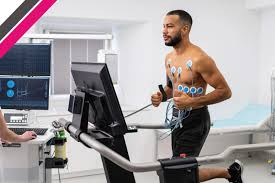
During the procedure, you walk on a treadmill while the speed and incline gradually increase. Healthcare professionals monitor your heart rate, blood pressure, and electrocardiogram (ECG) throughout the examination.
The test helps doctors assess how the heart responds to increased physical demand. It may provide useful information when investigating certain symptoms or evaluating possible heart-related concerns.
Why Might a Doctor Recommend a TMT Test in Bangalore?
A doctor may suggest exercise stress testing when symptoms or medical history indicate that further cardiac assessment is necessary.
Some common reasons include:
1. Investigating Chest Discomfort
Chest pain or tightness during physical activity can sometimes be associated with reduced blood flow to the heart muscle. A stress test may help assess whether exercise produces ECG changes that require further investigation.
2. Evaluating Exercise-Related Breathlessness
Unusual breathlessness during routine activities may have several causes. A treadmill examination can help doctors assess the heart's response to increased physical demand.
3. Assessing Exercise Tolerance
The test provides information about how much physical activity a person can perform and how their cardiovascular system responds to increasing workload.
4. Supporting Cardiac Evaluation
Depending on the patient's symptoms and risk factors, doctors may use the results alongside other investigations to guide further assessment or treatment decisions.
A TMT is not suitable for everyone. Your doctor will determine whether this examination is appropriate based on your health condition and medical history.
How Is the TMT Procedure Performed?
Understanding the steps involved can make the examination less intimidating, especially for first-time patients.
The procedure generally follows these stages:
-
Initial assessment: The healthcare professional reviews your medical history and checks your resting heart rate and blood pressure.
-
Electrode placement: Small electrodes are attached to your chest to record electrical activity through an ECG machine.
-
Starting the treadmill: You begin walking at a comfortable pace.
-
Increasing exercise intensity: The treadmill gradually becomes faster or steeper according to the testing protocol.
-
Continuous monitoring: Your ECG, heart rate, blood pressure, and symptoms are monitored throughout the procedure.
-
Recovery monitoring: After exercise stops, the healthcare team continues observing your heart's response during recovery.
The examination usually takes around 30–45 minutes, including preparation and recovery, although the actual exercise period is generally shorter.
If you are considering a tmt test in bangalore, ask the diagnostic facility about its appointment process and the instructions you should follow beforehand.
How to Prepare Before Your Appointment
Following preparation instructions can help ensure that the examination is conducted safely and efficiently.
Here are some practical suggestions:
-
Wear comfortable clothing: Choose lightweight clothes and suitable walking shoes.
-
Avoid heavy meals: Follow the fasting or meal-related instructions provided by your doctor or diagnostic centre.
-
Discuss medications: Do not stop prescribed medicines unless your doctor specifically advises you to do so.
-
Avoid stimulants if instructed: Ask whether you should avoid caffeine, smoking, or other stimulants before the examination.
-
Carry medical records: Bring previous ECG reports, cardiac investigations, prescriptions, and relevant medical documents.
-
Share your symptoms: Inform the healthcare team about chest discomfort, dizziness, breathlessness, or any other concerns.
If you feel unwell before the appointment, contact your healthcare provider for advice rather than proceeding without informing the medical team.
What Factors Should You Consider When Choosing a Diagnostic Centre?
Finding a suitable facility involves more than comparing appointment costs. When researching a tmt test in bangalore, consider these important factors:
-
Qualified medical supervision: Ensure that trained healthcare professionals supervise the examination.
-
Monitoring equipment: The facility should have appropriate ECG and blood pressure monitoring equipment.
-
Emergency preparedness: Exercise testing should take place in a setting equipped to respond to potential complications.
-
Reporting arrangements: Ask whether a qualified doctor will interpret the results and when the report will be available.
-
Accessibility: Consider travel distance, appointment availability, and ease of reaching the centre.
Clear communication and appropriate clinical supervision are particularly important because exercise testing deliberately increases the workload on your heart.
Understanding Your TMT Results
After the examination, a doctor evaluates the ECG recordings, exercise duration, heart rate response, blood pressure changes, and any symptoms experienced during the test.
Results may be described as positive, negative, or inconclusive, depending on the findings and clinical context.
An abnormal result does not automatically confirm coronary artery disease. Similarly, a normal result cannot rule out every possible heart condition.
If necessary, your doctor may recommend additional investigations, such as an echocardiogram, stress imaging, CT coronary angiography, or other cardiac assessments.
The results should always be interpreted alongside your symptoms, medical history, and overall cardiovascular risk.
Conclusion
Understanding how your heart responds to physical activity can provide valuable information during a cardiac evaluation. A treadmill stress test allows healthcare professionals to monitor important heart-related changes under controlled exercise conditions. If you are planning a tmt test in bangalore, choose a facility with appropriate equipment, qualified supervision, and clear reporting procedures. Most importantly, follow your doctor's advice about preparation and the next steps after receiving your results.
Frequently Asked Questions
1. Is a treadmill stress test painful?
The procedure is generally not painful. You may experience tiredness, sweating, or breathlessness as exercise intensity increases.
2. How long does the examination take?
The complete appointment usually takes around 30–45 minutes, including preparation and recovery.
3. Can I take my regular medicines before the test?
This depends on your medication and medical condition. Consult your doctor before making any changes.
4. Can everyone undergo an exercise stress test?
No. Certain heart conditions or medical circumstances may make exercise testing unsuitable. A doctor must assess your fitness for the procedure.
5. What happens if the results are abnormal?
Your doctor may recommend further cardiac investigations to understand the findings and determine whether treatment or additional monitoring is necessary.

