


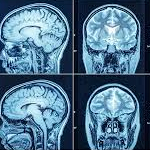
Finding the right doctor is an important part of maintaining good health. Whether you are experiencing unusual symptoms, managing an ongoing condition, or arranging a routine health check, professional medical advice can help you decide what to do next. Many residents look for Best Doctor Consultation Services in Bangalore to access qualified healthcare professionals without unnecessary delays. However, choosing a doctor involves more than finding the nearest clinic. Factors such as medical expertise, communication, accessibility, and continuity of care all contribute to a positive consultation experience.
Why Professional Doctor Consultations Matter
A medical consultation gives you an opportunity to discuss your health concerns with a qualified healthcare professional. Rather than relying on internet searches or self-medication, you can receive advice based on your symptoms, medical history, and individual circumstances.
A doctor consultation can help with:
-
Understanding the possible causes of new or persistent symptoms.
-
Reviewing existing medical conditions and medications.
-
Identifying whether diagnostic investigations are necessary.
-
Receiving guidance on preventive healthcare and lifestyle changes.
-
Planning follow-up appointments and long-term treatment.
-
Understanding when specialist care may be required.
Early medical advice can also help identify health concerns that deserve further investigation. However, the appropriate next step depends on the doctor's clinical assessment.
How to Choose the Best Doctor Consultation Services in Bangalore
Bangalore has a wide healthcare network, including independent clinics, multispecialty hospitals, and diagnostic facilities. With several options available, knowing what to evaluate can make your decision easier.
1. Check the Doctor's Qualifications
Look for a registered medical practitioner with appropriate qualifications and experience in the relevant field. If you have a specific concern, consider whether the doctor's area of expertise matches your needs.
For example, a general physician may be suitable for common health concerns, while persistent joint problems may require an orthopaedic specialist.
2. Consider Accessibility and Appointment Availability
Healthcare should be accessible when you need it. Consider the clinic's location, available consultation hours, appointment booking process, and waiting times.
For people living in busy areas such as Whitefield, Electronic City, Indiranagar, or Jayanagar, travel time can influence how easily they attend follow-up appointments.
3. Evaluate Communication and Patient Care
A good consultation should give you enough opportunity to explain your concerns. The doctor should listen carefully, ask relevant questions, and explain medical recommendations in understandable language.
You should feel comfortable discussing symptoms, medications, and personal health concerns without hesitation.
4. Understand the Consultation Charges
Before booking, check the consultation fee and ask whether follow-up visits or additional services involve separate charges. Transparent pricing helps you plan healthcare expenses more effectively.
What Types of Doctor Consultations Are Available?
The appropriate doctor depends on your symptoms, medical history, and healthcare requirements. Understanding common medical specialties can help you approach the right professional.
General Physician Consultation
General physicians assess common illnesses such as fever, infections, digestive problems, headaches, and fatigue. They can also help manage certain long-term conditions and recommend specialist referrals when needed.
Specialist Consultation
Some health concerns require expertise in a particular medical field. Common specialists include:
-
Cardiologists: Assess heart-related symptoms and cardiovascular conditions.
-
Dermatologists: Diagnose and manage skin, hair, and nail conditions.
-
Orthopaedicians: Evaluate bone, joint, and muscle problems.
-
Gynaecologists: Provide care related to women's reproductive health.
-
Paediatricians: Assess the health and development of infants and children.
-
Endocrinologists: Manage hormonal and metabolic disorders.
Selecting the appropriate specialty can make consultations more focused and useful.
How Diagnostic Tests Support Medical Consultations
A doctor's assessment sometimes requires additional information before a diagnosis or treatment plan can be established. Depending on the symptoms, the doctor may recommend laboratory investigations or imaging procedures.
Common examples include:
-
Blood tests to assess blood counts, glucose levels, cholesterol, and other health indicators.
-
Ultrasound scans to examine internal organs and soft tissues.
-
Digital X-rays to assess certain bone and chest-related conditions.
-
ECG tests to evaluate the electrical activity of the heart.
-
CT or MRI scans when more detailed internal imaging is necessary.
Diagnostic tests should be selected according to clinical requirements rather than performed unnecessarily.
Access to dependable diagnostic facilities can also make healthcare coordination easier. When searching for the Best Doctor Consultation Services in Bangalore, consider whether you can conveniently access the investigations recommended by your doctor.
How to Prepare for a Doctor Consultation
A little preparation can help you make better use of your appointment. Doctors often have limited consultation time, so organising your information beforehand can be helpful.
Follow these simple steps:
-
Write down your symptoms: Note when they started, how frequently they occur, and whether anything makes them better or worse.
-
Prepare your medical history: Mention existing conditions, allergies, previous surgeries, and relevant family history.
-
Carry previous reports: Bring recent laboratory results, prescriptions, and imaging reports.
-
List your medications: Include prescribed medicines, supplements, and over-the-counter products.
-
Prepare questions: Write down anything you want to understand about your symptoms, treatment, or recommended tests.
If you are consulting a new doctor, sharing accurate medical information can help them understand your situation more effectively.
In-Person or Online Consultation: Which Is Better?
Both consultation formats can be useful, depending on the nature of your health concern.
In-person consultations are generally more appropriate when a physical examination, clinical procedure, or immediate investigation is required.
Online consultations can be convenient for follow-up discussions, reviewing certain test reports, and seeking advice about non-emergency concerns.
However, online appointments cannot replace every physical examination. A doctor may recommend an in-person visit if symptoms require closer assessment.
When evaluating the Best Doctor Consultation Services in Bangalore, consider whether the available consultation format suits your medical needs.
Conclusion
Choosing the right healthcare professional is an important step towards better health management. Qualifications, relevant experience, communication, appointment accessibility, and continuity of care should all influence your decision. Whether you need advice for a new symptom, specialist support, or ongoing medical guidance, taking time to evaluate your options can make consultations more productive. By focusing on professional expertise and convenient access to appropriate diagnostic services, residents can make more informed healthcare decisions.
Frequently Asked Questions
1. How often should I consult a doctor?
The frequency depends on your age, medical history, existing conditions, and healthcare needs. Follow your doctor's recommendations for routine check-ups and follow-ups.
2. Should I consult a general physician before visiting a specialist?
For many common health concerns, a general physician can provide an initial assessment and recommend a specialist if necessary.
3. What documents should I carry to an appointment?
Carry previous prescriptions, medical reports, investigation results, allergy information, and details of your current medications.
4. Can I consult a doctor online?
Yes. Online consultations can be useful for certain non-emergency concerns and follow-ups. Some conditions still require an in-person examination.
5. When should I seek immediate medical attention?
Seek emergency care for warning signs such as severe chest pain, difficulty breathing, sudden weakness, loss of consciousness, or severe bleeding. Do not delay emergency treatment while waiting for a routine appointment.

