


Ageing is a natural biological process that affects the skin, muscles, and other tissues throughout the body. Over time, the skin gradually loses collagen and elastin, resulting in wrinkles, fine lines, reduced firmness, and changes in texture.
Although ageing cannot be stopped completely, scientific research continues to explore ingredients that may help maintain healthier-looking skin and support natural repair processes. One ingredient attracting attention in skincare and regenerative research is GHK CU.
This naturally occurring copper-binding peptide has been studied for its potential role in collagen production, skin renewal, wound healing, and cellular activity. Understanding its properties can help explain why it has become an interesting subject in modern anti-ageing research.
What Is GHK-Cu?
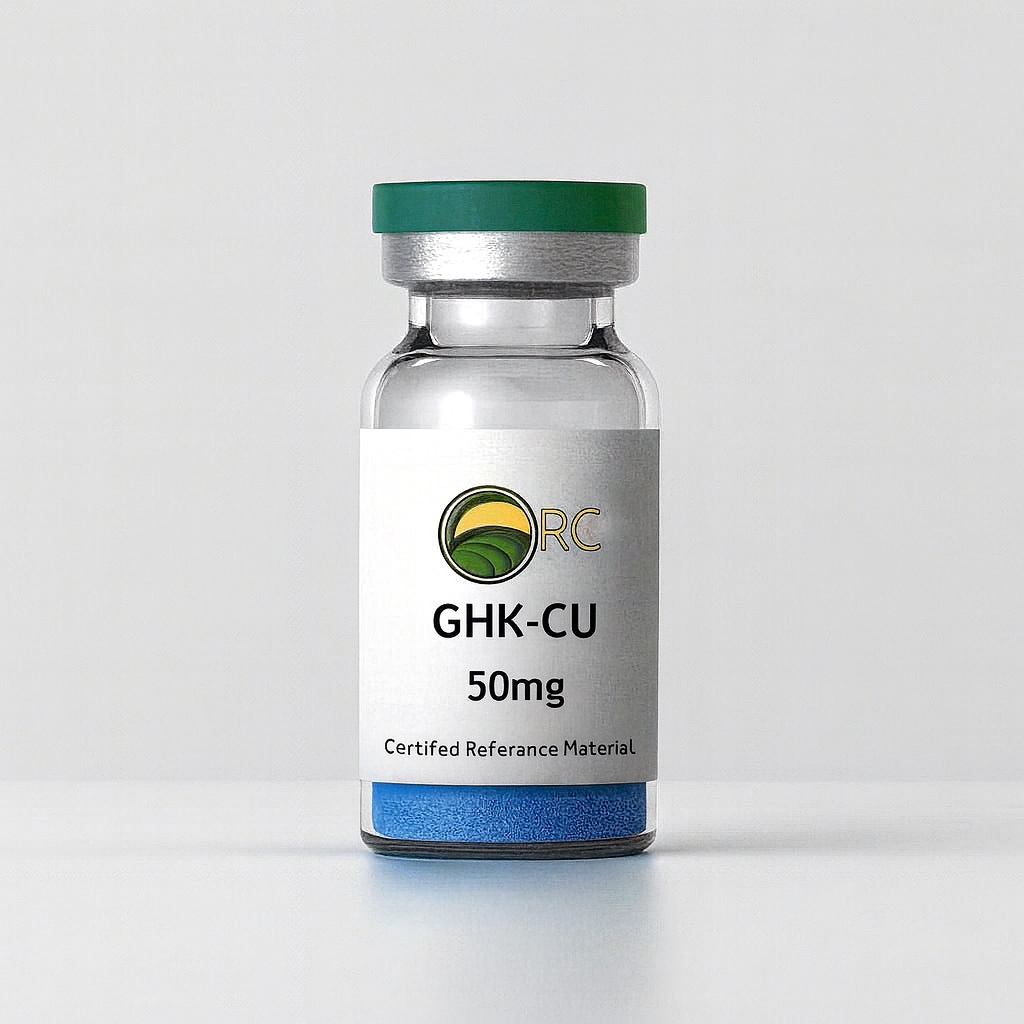
GHK-Cu is a naturally occurring copper peptide made up of three amino acids: glycine, histidine, and lysine. It has the ability to bind copper ions, which are involved in several important biological processes. The peptide was first identified in human plasma, and researchers have since investigated its potential influence on tissue repair and skin health.
Copper is an essential trace mineral that contributes to various functions in the body, including enzyme activity and the formation of connective tissue. When combined with specific peptides, it may participate in processes associated with maintaining healthy skin.
Research into copper peptides has generated interest in cosmetic science because of their possible effects on skin structure, elasticity, and overall appearance.
Understanding the Connection Between Collagen and Ageing
Collagen is one of the most important proteins responsible for maintaining skin structure. It provides strength, firmness, and support, helping the skin maintain a smooth and youthful appearance. Elastin works alongside collagen by allowing the skin to stretch and return to its original shape.
As people grow older, natural collagen production gradually decreases. Environmental factors such as ultraviolet radiation, pollution, smoking, and lifestyle habits can also contribute to the breakdown of collagen fibres.
These changes may lead to wrinkles, sagging, uneven texture, and reduced skin elasticity. Scientists are therefore investigating ingredients that could support the skin's natural collagen-related processes.
GHK CU has attracted attention because laboratory research suggests that it may influence the activity of cells involved in maintaining connective tissue. However, further human studies are necessary to establish the extent of its anti-ageing benefits.
Potential Support for Collagen Production
One of the most discussed properties of copper peptides is their potential relationship with collagen production. Fibroblasts are specialised skin cells responsible for producing collagen, elastin, and other components of the extracellular matrix.
Research suggests that certain copper peptides may influence fibroblast activity and support processes associated with tissue maintenance. This has made them interesting ingredients in cosmetic formulations designed to improve the appearance of ageing skin.
Maintaining healthy collagen levels is important for skin firmness and elasticity. Although topical products cannot completely reverse natural ageing, ingredients that support normal skin functions may contribute to improved skin appearance over time.
The effectiveness of any formulation depends on several factors, including ingredient concentration, product stability, skin penetration, and individual skin characteristics.
Supporting Skin Repair and Renewal
Skin constantly undergoes a renewal process in which old or damaged cells are replaced by newer ones. This process helps maintain the skin's protective barrier and supports recovery from everyday environmental exposure.
Copper peptides have been studied for their potential involvement in wound healing and tissue repair. Some laboratory and preclinical findings suggest that they may influence cellular migration, tissue remodelling, and other biological activities associated with recovery.
These properties have encouraged researchers to investigate their possible applications in skincare and regenerative science.
Healthy skin renewal is particularly important as the skin becomes thinner and more vulnerable with age. However, it is essential to distinguish promising laboratory findings from proven clinical outcomes.
Potential Antioxidant and Protective Properties
Oxidative stress is another factor associated with premature skin ageing. It occurs when unstable molecules called free radicals accumulate and damage important cellular structures.
Sun exposure, pollution, and other environmental influences can increase oxidative stress, potentially contributing to collagen breakdown and visible signs of ageing.
Researchers have explored whether copper peptides may influence biological pathways involved in antioxidant defence and cellular protection. Their relationship with copper-dependent enzymes is one reason for continued scientific interest.
While these findings are promising, they do not establish copper peptides as a replacement for established skin-protection methods. Daily sunscreen use, a balanced diet, and appropriate skincare remain important parts of maintaining healthy skin.
Improving Skin Texture and Elasticity
Uneven skin texture, fine lines, and reduced elasticity are common concerns among individuals seeking anti-ageing skincare solutions. Many cosmetic products are designed to improve hydration and support the skin's natural structure.
Copper peptide formulations are being investigated for their potential to support skin firmness and improve the appearance of ageing skin. Their possible influence on collagen and extracellular matrix components provides a scientific reason for this interest.
Regular skincare routines can also help maintain moisture levels and support the skin barrier. Products containing peptides may be included in a broader routine alongside moisturisers and sunscreen.
It is important to remember that individual results vary, and scientific evidence for specific cosmetic outcomes remains limited.
The Importance of Scientific Research
Although interest in copper peptides continues to grow, more high-quality clinical research is needed to understand their long-term effects on human skin.
Laboratory studies can identify biological mechanisms and suggest possible applications, but they cannot independently demonstrate that a skincare ingredient will produce the same results in everyday use.
Researchers need well-designed human clinical trials to evaluate effectiveness, appropriate concentrations, skin absorption, and potential side effects.
Consumers should also be cautious about exaggerated marketing claims that promise dramatic rejuvenation or permanent wrinkle removal. Evidence-based skincare decisions should rely on realistic expectations and reliable scientific information.
Safety and Considerations When Exploring Copper Peptides
Before introducing a new peptide-based skincare product, it is important to consider skin sensitivity and product quality. Some individuals may experience irritation, redness, or discomfort when using unfamiliar cosmetic ingredients.
A patch test can help identify potential reactions before applying a product more widely. Following the manufacturer's instructions is also important.
Consumers should choose products from reputable suppliers that provide clear ingredient information and appropriate quality standards. Injectable or research-grade peptide products should not be treated as ordinary cosmetic skincare products. Their use requires appropriate medical and regulatory oversight.
Discovering Adonis Elite Peptides
Adonis Elite Peptides is a brand associated with peptide-related products and research interests. For individuals exploring modern peptide science, understanding ingredient information, product quality, and responsible sourcing is essential.
As scientific interest in copper peptides and their potential applications continues to develop, consumers should prioritise transparent product information and realistic expectations. Research into peptide-based ingredients may contribute to future developments in skincare and regenerative science, making reliable information an important part of evaluating available options.
Conclusion
The potential anti-ageing properties of copper peptides represent an interesting area of cosmetic and biological research. From supporting collagen-related processes to exploring tissue repair, skin renewal, and cellular protection, these compounds offer several promising research directions.
GHK CU has attracted attention because of its possible influence on biological activities associated with maintaining healthy skin. Nevertheless, more clinical evidence is required before its full anti-ageing potential can be established. Combining evidence-based skincare, sun protection, healthy lifestyle habits, and carefully selected cosmetic products remains a practical approach to supporting healthier-looking skin as it ages.

