

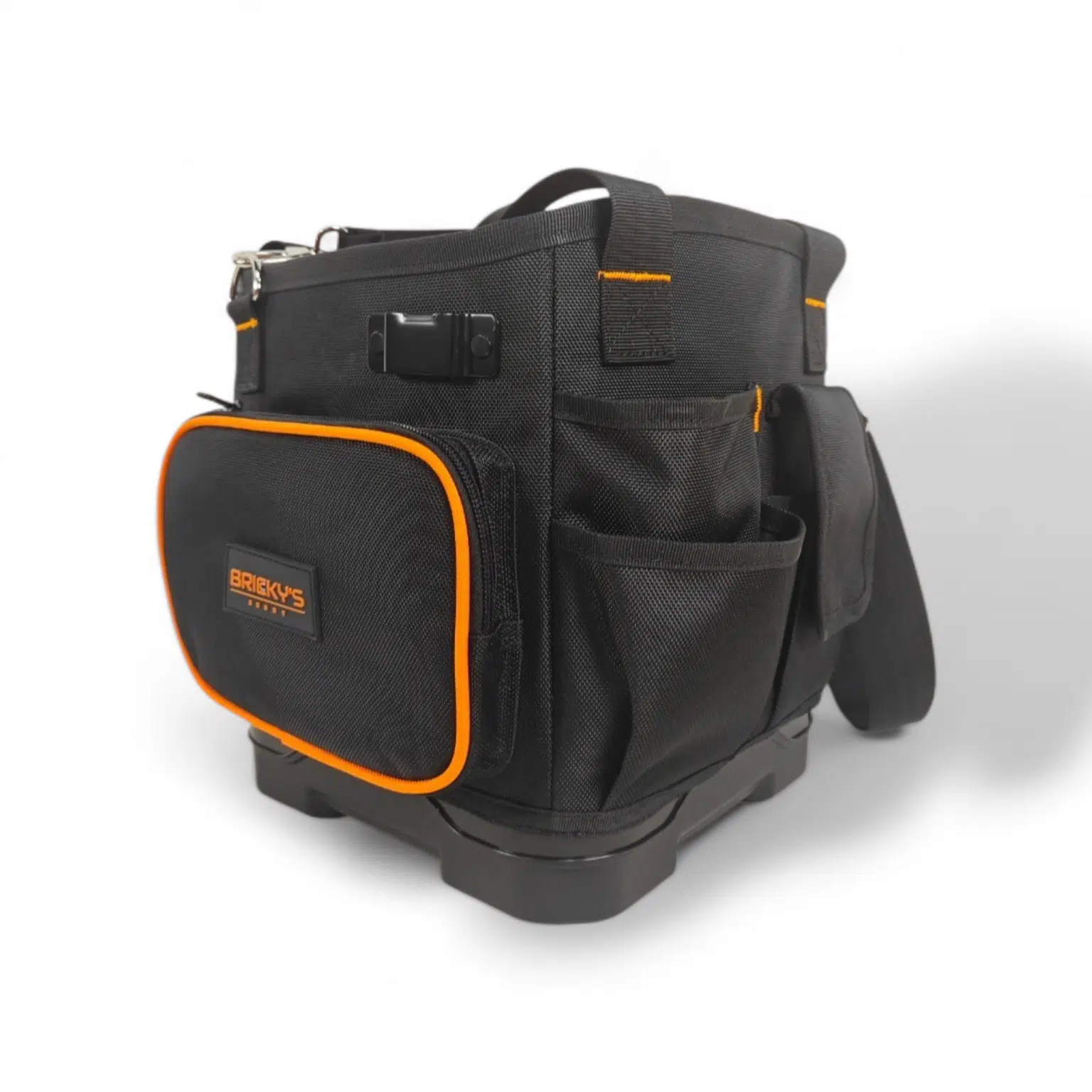

Keeping tools organised is essential for bricklayers, builders and construction professionals who need quick access to equipment throughout the working day. A reliable tool bag organiser combined with a practical tool storage organiser helps keep essential tools in designated places, reduces time spent searching for equipment and makes everyday tasks more efficient. Whether working on a small repair or a large construction project, organised tool storage can protect valuable equipment and support a more productive working environment.
Why Is Tool Organisation Important?
Construction work often involves using several tools for different tasks. From measuring and cutting to laying bricks and finishing joints, having the correct equipment available at the right time can make a significant difference to daily productivity.
When tools are left loose inside a bag, smaller items can disappear beneath larger equipment. This can make it difficult to find tape measures, pencils, screwdrivers and other frequently used accessories. Poor organisation may also lead to damaged tools, unnecessary delays and frustration on busy sites.
A well-planned storage system allows tradespeople to arrange equipment according to how frequently it is used. Essential tools can be kept within easy reach, while less frequently needed items can be stored in separate compartments.
Using a tool storage organiser also helps maintain a tidier work area. When every item has a designated place, tools are easier to return after use, reducing the risk of misplacing equipment between jobs.
What Features Should You Look for in a Tool Bag?
Choosing suitable storage equipment depends on the tools you carry, the type of work you complete and how often you transport your kit. Several features can help make everyday tool storage more practical.
1. Multiple Pockets and Compartments
Pockets are among the most useful features of a well-designed tool bag. Different compartments allow you to separate small accessories from larger equipment, making items easier to locate.
For example, pencils, markers, measuring tools and small hand tools can be stored separately instead of being mixed together. Dedicated pockets also help prevent smaller accessories from becoming trapped beneath heavier items.
When choosing a bag, consider whether the pocket sizes suit the equipment you regularly use.
2. Durable Materials
Construction environments can be demanding, with bags exposed to dust, rough surfaces, frequent handling and heavy equipment. Durable materials can help a bag withstand everyday wear and tear.
Look for strong fabric, reinforced stitching and sturdy handles. A robust base is another useful feature, particularly when the bag needs to stand on uneven or dirty surfaces.
A durable design can provide dependable storage for professionals who carry tools between different locations throughout the week.
3. Comfortable Carrying Options
Builders and bricklayers may need to transport tools across large sites, between vehicles and into buildings. Comfortable carrying options can make this process more convenient.
Padded handles, adjustable shoulder straps and balanced weight distribution can help improve portability. The bag should also provide enough space for essential equipment without becoming unnecessarily bulky.
Consider the total weight of the tools you intend to carry before choosing a suitable size.
4. Easy Access to Frequently Used Tools
A bag that offers plenty of storage is not necessarily practical if accessing the contents takes too long. Wide openings, accessible pockets and clearly separated compartments can make a noticeable difference.
Position frequently used equipment near the top or in external pockets where appropriate. Less frequently used items can be placed deeper inside the bag.
This arrangement helps create an efficient tool bag storage system that supports a smoother workflow.
How to Organise Your Tool Bag Effectively
Even a high-quality bag benefits from a consistent organisation routine. Following a few straightforward steps can help keep equipment accessible and ready for work.
Group Tools by Purpose
Start by grouping tools according to their function. Measuring equipment, bricklaying tools, general hand tools and smaller accessories can each have their own section.
This approach makes it easier to identify where an item belongs and reduces the likelihood of mixing unrelated equipment together.
For bricklayers, keeping measuring tools separate from frequently used laying equipment can make preparation and daily tasks more efficient.
Keep Essential Items Within Reach
Think about which tools you use most frequently throughout the day. These items should be stored in easily accessible pockets or compartments.
Equipment used only occasionally can be placed in less accessible sections. This simple arrangement reduces repeated searching and helps you maintain momentum when moving between tasks.
A portable tool organiser is particularly useful for professionals who work across different areas of a construction site and need to carry essential equipment with them.
Remove Unnecessary Items
Carrying unused equipment adds weight and reduces the space available for important tools. Review your bag regularly and remove broken items, empty packaging and accessories that are no longer needed.
Keeping only relevant equipment makes it easier to identify missing tools and prevents compartments from becoming overcrowded.
A lighter, better-organised bag can also be more comfortable to transport.
Clean and Inspect Your Equipment
Dust, mortar residue and other construction debris can accumulate inside a tool bag. Regular cleaning helps maintain a more organised storage space and makes it easier to spot damaged equipment.
Check pockets, fastenings, handles and stitching for signs of wear. Replace damaged items when necessary and ensure tools are stored safely after cleaning.
A short end-of-day routine can help keep your equipment in good condition and ready for the next shift.
Choosing the Right Tool Bag for Bricklaying Work
Bricklayers need practical storage for equipment used throughout the working day. Depending on the job, this may include tape measures, pencils, jointing tools, small hand tools and other essential accessories.
A suitable bag should provide enough room for the required equipment without making it difficult to access individual items. Multiple pockets, a wide opening and durable construction can all contribute to a more convenient storage solution.
Consider where the bag will be used, whether it needs to fit inside a vehicle and how much equipment you typically carry. A compact design may suit professionals who need only essential tools, while a larger bag may be preferable for carrying a wider selection of accessories.
The best choice is one that matches your daily routine and makes equipment easier to transport, store and retrieve.
For additional convenience, Bricky’s Buddy offers practical tools and accessories designed around the everyday requirements of bricklayers and building professionals. Choosing suitable storage alongside reliable trade equipment can help create a more organised working setup.
Common Mistakes to Avoid When Organising Tools
A few common habits can make even a good storage bag less effective.
-
Overfilling the bag: Too many tools make equipment harder to locate and increase carrying weight.
-
Mixing small and large items: Small accessories can become buried beneath heavier tools.
-
Ignoring damaged pockets: Torn compartments and faulty fastenings can make storage less reliable.
-
Skipping regular checks: Unused items and debris gradually take up valuable space.
-
Using unsuitable storage: A bag that is too small or lacks appropriate compartments may not meet your requirements.
Avoiding these mistakes helps maintain a practical system that works consistently, even during busy periods.
Conclusion
An organised tool bag can make everyday construction work more convenient by keeping essential equipment accessible, reducing unnecessary searching and helping protect valuable tools. Choosing durable materials, useful compartments and comfortable carrying options provides a strong foundation for effective tool storage.
By grouping equipment by purpose, prioritising frequently used items and maintaining a regular cleaning routine, tradespeople can build habits that support greater efficiency on site. A carefully selected tool bag organiser is a practical addition to any professional's equipment, helping keep tools neat, portable and ready for the next job.
Frequently Asked Questions
1. What is a tool bag organiser?
A tool bag organiser is a storage solution that helps arrange tools and accessories inside a bag using pockets, dividers or separate compartments. It makes equipment easier to locate and helps prevent smaller items from becoming mixed with larger tools.
2. How do I keep my tool bag organised?
Group similar tools together, store frequently used items in accessible pockets and remove unnecessary equipment regularly. Cleaning the bag and returning tools to their designated compartments after use also helps maintain an organised setup.
3. What should a good tool bag include?
A good tool bag should offer durable materials, strong stitching, practical compartments, comfortable handles and enough space for essential equipment. The ideal features depend on the tools you carry and the working conditions you encounter.
4. Is a tool organiser useful for bricklayers?
Yes. Bricklayers often use several tools and accessories throughout the day. Organised storage helps keep measuring equipment, hand tools and smaller accessories accessible, making it easier to prepare for tasks and move between work areas.
5. How often should I clean and organise my tool bag?
A quick check at the end of each working day is useful for removing debris and returning tools to the correct places. A more thorough inspection every week can help identify damaged compartments, worn fastenings and equipment that no longer needs to be carried.

