

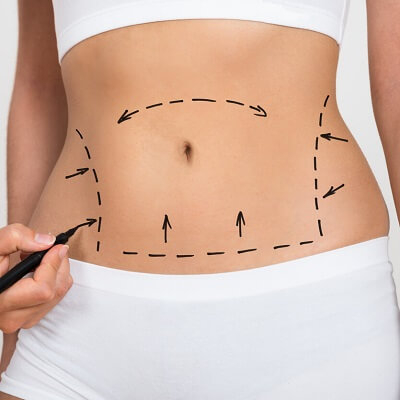

Choosing the right tummy tuck procedure depends on the amount of loose abdominal skin, the condition of the underlying muscles, and the areas a patient wants to improve. Different surgical techniques involve different levels of correction, which can influence the overall treatment plan. When researching Tummy Tuck Cost in Dubai, it is important to understand how the selected procedure affects surgical complexity and the services required. Dynamic Life Clinic provides an opportunity to discuss individual treatment needs and explore suitable options through a professional consultation.
How Different Tummy Tuck Techniques Affect Treatment
A tummy tuck is not a single procedure performed in exactly the same way for every patient. The technique may range from a limited correction of the lower abdomen to a more extensive operation involving the entire abdominal area and waistline. The amount of skin removed, the need for muscle repair, and the extent of tissue repositioning all influence the surgical work involved. More extensive procedures may require additional operating time and recovery support. The surgeon selects the technique according to the patient's anatomy and medical suitability.
Mini Tummy Tuck and Its Surgical Scope
A mini tummy tuck generally focuses on excess skin and tissue below the belly button. It may be suitable for individuals with a relatively small amount of loose lower-abdominal skin and limited concerns involving the upper abdomen. The incision is usually shorter than that used for a full tummy tuck, and the belly button may not need repositioning. Since the treatment area is more limited, the operation may involve less extensive correction. However, it is not appropriate for patients who need significant upper-abdominal skin removal or more comprehensive muscle repair.
Full Tummy Tuck and Comprehensive Abdominal Correction
A full tummy tuck addresses a larger area, usually involving both the upper and lower abdomen. The procedure may include removing excess skin, repositioning the belly button, and tightening separated abdominal muscles when necessary. This makes it more involved than a mini tummy tuck in many cases. The amount of correction required, the patient's anatomy, and the surgeon's assessment determine the final surgical plan. Patients with loose skin across a wider abdominal area may be considered for this approach.
Extended Tummy Tuck and Wider Treatment Areas
An extended tummy tuck may be recommended when excess skin extends beyond the front of the abdomen towards the flanks or sides of the waist. The procedure can address a broader area and may involve a longer incision to remove additional tissue. Because more extensive skin removal and tissue management may be required, the operation can involve greater surgical complexity. This technique is generally considered for selected patients, including some individuals who have experienced significant weight loss.
Checkpoint: Comparing Different Tummy Tuck Procedures
Understanding the main differences between tummy tuck techniques helps patients discuss their options with a surgeon. The following points highlight how the procedures vary.
-
Mini tummy tuck: Focuses mainly on loose skin below the belly button.
-
Full tummy tuck: Addresses excess skin across a larger abdominal area and may include muscle repair.
-
Extended tummy tuck: Treats the abdomen and additional loose skin around the sides of the waist.
-
Muscle tightening: May be included when abdominal muscle separation is present.
-
Belly button repositioning: May be required during a full or extended procedure.
-
Recovery requirements: Depend on the extent of tissue removal and the surgical technique.
The Role of Abdominal Muscle Tightening
The need for muscle repair can influence the complexity of a tummy tuck. Pregnancy and major weight changes may contribute to separation of the abdominal muscles, known as diastasis recti. When appropriate, the surgeon may bring the separated muscles closer together to improve abdominal wall support and contour. This additional step can affect operating time and recovery. However, muscle tightening is not automatically required in every tummy tuck, and its suitability depends on the patient's examination findings.
Additional Liposuction and Combined Procedures
Some patients have localised fat deposits along with excess abdominal skin. In selected cases, liposuction may be combined with a tummy tuck to improve body contour. The decision depends on the patient's anatomy, tissue blood supply, and overall surgical risk. Treating additional areas can increase the amount of surgical work involved, so the plan must be carefully considered. Liposuction alone does not remove significant loose skin, which is why the surgeon must distinguish between concerns caused by excess fat and those caused by skin laxity.
Factors Beyond the Type of Tummy Tuck
Although the procedure type is important, it is not the only factor that determines the overall treatment requirements. Surgeon expertise, anaesthesia, operating facility arrangements, medical history, and postoperative support can also influence the plan. Previous abdominal surgery may affect incision placement or tissue management. Patients should review all these elements rather than assuming that two procedures with the same name will involve identical surgical arrangements.
Recovery Differences Between Tummy Tuck Techniques
Recovery depends largely on the amount of tissue treated and whether muscle repair or additional procedures are performed. A mini tummy tuck may involve a more limited recovery process, while full and extended procedures can require greater activity restrictions. Swelling, bruising, tightness, and discomfort are common during early healing. Patients may need to wear a compression garment, avoid strenuous exercise, and attend follow-up appointments. The surgeon provides specific instructions according to the procedure and the patient's progress.
Choosing the Right Procedure Through Professional Assessment
The most suitable tummy tuck is determined by examining the abdomen rather than selecting a procedure based only on its name. A surgeon evaluates skin elasticity, fat distribution, muscle separation, previous scars, and overall health. Patients should also discuss their expectations and understand what each technique can realistically achieve. A personalised plan helps identify the appropriate level of correction without recommending a more extensive operation than necessary.
Frequently Asked Questions
These answers explain how different tummy tuck techniques influence surgical planning and the overall treatment experience.
Is a mini tummy tuck less extensive than a full tummy tuck?
Generally, yes. A mini tummy tuck focuses on the lower abdomen, while a full tummy tuck addresses a wider area and may involve belly button repositioning and muscle repair. Suitability depends on the amount and location of excess skin.
Does an extended tummy tuck involve more surgical work?
An extended tummy tuck usually treats a broader area, including excess skin around the sides of the waist. The wider treatment area can require additional tissue removal and surgical planning.
Does every full tummy tuck include muscle tightening?
No. Muscle tightening is performed when abdominal muscle separation is present and correction is considered appropriate. The surgeon assesses the abdominal wall before including this step in the treatment plan.
Can liposuction be combined with a tummy tuck?
Yes, selected patients may benefit from combining the procedures. The decision depends on fat distribution, skin condition, tissue blood supply, and overall surgical safety.
How does the surgeon decide which tummy tuck technique is suitable?
The surgeon examines excess skin, abdominal muscle condition, fat distribution, previous operations, and the patient's health. These findings help determine whether a mini, full, or extended tummy tuck is appropriate.
Conclusion
The type of tummy tuck can influence the overall treatment plan because each technique addresses a different area and level of abdominal correction. Mini procedures generally involve a smaller treatment area, while full and extended tummy tucks may require more extensive skin removal, muscle repair, or tissue repositioning. Other factors, including medical needs, surgical arrangements, and recovery support, also matter. A professional assessment helps identify the most appropriate technique based on individual anatomy and realistic treatment goals.

