

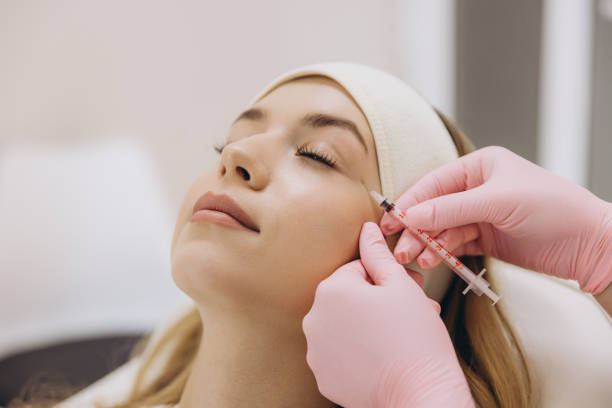

Botox treatment involves more than simply injecting a product into areas where wrinkles are visible. Facial muscles work together to create expressions, support movement, and influence the appearance of surrounding skin. Even small differences in injection placement can affect the final result. For individuals considering Botox Riyadh, understanding the importance of precision can help them make informed decisions about treatment. A carefully planned approach aims to soften selected expression lines while maintaining natural facial movement and individual features.
Understanding How Botox Works
Botox is a purified form of botulinum toxin type A that temporarily reduces communication between specific nerves and muscles. It limits the release of a chemical messenger involved in muscle contraction, allowing the targeted muscle to become less active. This can soften dynamic wrinkles that develop through repeated facial expressions, such as frowning, squinting, or raising the eyebrows. The effect is temporary, and the surrounding muscles continue to function. Appropriate treatment depends on identifying the muscles responsible for the concern.
The Importance of Facial Anatomy
Every face has a distinct muscular structure, skin condition, and pattern of movement. Muscles around the forehead, eyebrows, eyes, and mouth may interact in different ways, making anatomical knowledge essential. For example, some forehead muscles help raise the eyebrows, while other muscles around the eyes and brows contribute to downward movement. Treating one area without considering nearby muscles may affect facial balance. A qualified practitioner should understand these relationships before choosing injection points.
Accurate Assessment Before Injection
Precision begins with a detailed consultation rather than the injection itself. The practitioner should examine the face at rest and during expressions, identify areas of strong muscle activity, and discuss the patient's goals. Medical history, medications, allergies, previous cosmetic treatments, and relevant health conditions should also be reviewed. This information helps determine whether Botox is appropriate and whether certain areas should be avoided. A personalized assessment also helps establish realistic expectations about the degree of improvement that may be achieved.
Choosing the Appropriate Injection Points
Injection placement should be based on the location, strength, and function of the targeted muscles. Treating forehead lines, frown lines, or crow's feet requires consideration of how each muscle contributes to facial movement. The practitioner's technique, anatomical knowledge, and understanding of individual differences all influence treatment planning. A standard injection pattern may not be suitable for every patient. The aim is to address the specific concern without unnecessarily weakening muscles that support natural expressions.
Why Individualized Dosing Is Important
The amount of Botox used is another important part of precision. Appropriate dosing can vary according to muscle strength, treatment area, anatomy, and desired outcome. Too little product may provide limited improvement, while excessive treatment can lead to unwanted muscle weakness or changes in expression. A qualified practitioner should select the treatment amount according to an individual assessment rather than applying the same dose to everyone. Patients should feel comfortable discussing their expectations and asking about the reasoning behind the proposed plan.
What to Expect During the Procedure
Once the treatment plan has been agreed upon, the selected areas are cleansed and small amounts of Botox are injected into specific muscles using a fine needle. The session is generally brief, and most people can return to their usual activities soon afterward. Mild redness, tenderness, swelling, or bruising may develop around the injection sites. Patients should follow the practitioner's aftercare instructions and avoid unnecessary pressure or rubbing of the treated areas. Any unexpected symptoms should be reported to the clinic.
How Precision Influences the Results
Careful treatment planning can help create a more balanced and natural-looking outcome. Botox effects develop gradually over several days, with the full effect generally becoming clearer within approximately two weeks. When the appropriate muscles are treated, movement-related lines may soften while useful facial expressions remain. Results still vary according to individual response, muscle activity, and treatment technique. Precision can improve the likelihood of a suitable outcome, but it cannot guarantee perfect symmetry or a particular appearance.
Possible Risks and the Importance of Qualified Care
Botox is generally well tolerated when administered appropriately, but it is not free from risks. Temporary bruising, swelling, headache, or discomfort may occur. Less common complications include eyelid or eyebrow drooping, asymmetry, or unwanted muscle weakness. Rarely, effects may extend beyond the injection area and cause serious symptoms such as difficulty swallowing, speaking, or breathing, which require urgent medical attention. People with certain neuromuscular conditions or other relevant medical circumstances should discuss suitability with a qualified healthcare professional. Pregnancy, breastfeeding, and medications should also be addressed during consultation.
Booking a Consultation at Royal Clinic Saudi
Choosing a qualified practitioner who understands facial anatomy and follows appropriate safety practices is essential for a considered treatment experience. At Royal Clinic Saudi, patients can discuss their aesthetic goals, learn about the role of accurate injection placement, and receive guidance based on their individual facial features. A personalized consultation helps determine whether Botox Injections in Riyadh are suitable and what results may realistically be expected. The focus should remain on safe treatment, careful assessment, and preserving natural facial expression.
FAQs:
1. Why is precision important in Botox treatment?
Precise placement helps target the intended muscles while reducing the risk of affecting nearby muscles that contribute to natural facial movement.
2. Does everyone need the same amount of Botox?
No. The appropriate amount varies according to muscle strength, anatomy, treatment area, and individual goals.
3. When can I see the results of Botox injections?
Changes generally develop over several days, with the full effect becoming clearer within approximately two weeks.
4. How long do Botox results usually last?
Results commonly last around three to four months, although the duration differs between individuals and treatment areas.

