

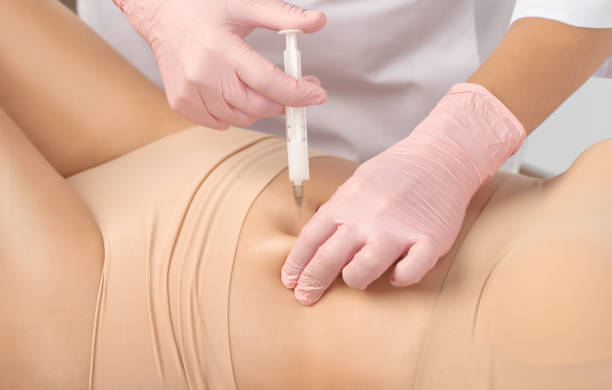

Modern aesthetic treatments offer different ways to address individual appearance concerns, from improving skin quality to refining selected facial and body contours. Some people have localized fat deposits that remain noticeable despite maintaining a stable weight and healthy lifestyle. Injectable fat reduction may be an option for certain carefully selected concerns, depending on the product and its approved use. Fat melting injections in Riyadh are among the treatments people may explore when considering targeted aesthetic improvements without conventional surgery.
The purpose of a targeted procedure is to address a specific concern rather than change a person's overall appearance. However, injectable fat reduction is not suitable for every area or individual. Understanding how Fat melting injections in Riyadh work, what they may help address, and where their limitations lie can support more informed decisions about aesthetic care.
Understanding Targeted Aesthetic Improvements
Targeted aesthetic improvements focus on specific features that an individual would like to refine. These concerns may involve localized fullness, uneven contours, skin texture, or changes associated with aging. The most appropriate treatment depends on the underlying cause rather than appearance alone.
For example, fullness beneath the chin may be related to a localized fat deposit, while a similar appearance in another person may result from skin laxity or natural anatomy. Treatments designed to reduce fat will not necessarily improve concerns caused by loose skin, muscle structure, or other factors. A professional assessment helps identify the most suitable approach.
How Injectable Fat Reduction Works
Injectable fat reduction involves administering a formulation designed to affect fat cells in a selected area. Certain deoxycholic-acid formulations are authorized in some jurisdictions for reducing submental fat beneath the chin. The exact approved indication depends on the product and local regulatory requirements.
After an appropriate treatment, the body's natural processes gradually clear affected cellular material. Visible changes may develop over time rather than immediately. Individual responses vary, and results depend on factors such as the formulation, treatment area, clinical technique, and personal anatomy.
These injections are intended for localized fat concerns, not general weight loss. They should not be considered a substitute for healthy lifestyle habits or medical treatment for obesity.
Areas Where Targeted Treatment May Be Considered
Localized Fat Beneath the Chin
Submental fullness is a recognized treatment concern for certain authorized injectable products. In appropriately selected adults, treatment may help reduce a localized fat pocket beneath the chin. This can contribute to a more defined transition between the chin and neck.
However, not all under-chin fullness is caused by fat. Skin laxity, bone structure, and other anatomical factors may influence the area, so an assessment is necessary before considering treatment.
Other Facial Contouring Concerns
People may ask whether injectable fat reduction can improve fullness around the cheeks or jawline. These areas require careful evaluation because facial contours are influenced by several structures. A product authorized for under-chin fat should not automatically be used in other facial areas.
The practitioner should explain whether the proposed treatment is supported by appropriate evidence and permitted under local regulations. In some cases, a different procedure may better address the concern.
Body Contouring Questions
Localized fullness around the abdomen, arms, thighs, hips, and back is another common reason people explore injectable fat reduction. However, authorization for treating fat beneath the chin does not establish that the same formulation is safe or effective for these body areas. Product-specific approval and clinical evidence must be verified before any treatment outside an authorized indication is considered.
How Targeted Improvements Fit Into a Broader Aesthetic Plan
Aesthetic care often involves more than one concern, but each procedure should have a clear purpose. Injectable fat reduction may be discussed alongside treatments for skin quality or other contour concerns when clinically appropriate. Combining procedures should never be automatic, and the practitioner must consider timing, recovery, contraindications, and possible complications.
It is also important to understand what the treatment cannot achieve. Fat reduction does not necessarily tighten loose skin, correct muscle separation, or change underlying bone structure. If these factors are responsible for the appearance concern, another approach may be more appropriate.
Factors That Influence Treatment Suitability
Several considerations help determine whether injectable fat reduction may be appropriate. The size and location of the fat deposit, skin elasticity, medical history, current medications, and previous procedures can all influence treatment planning.
A person's expectations are equally important. The treatment may offer a gradual improvement in a selected area, but it cannot guarantee a particular contour or identical results for everyone. The number of sessions, if more than one is appropriate, should follow product-specific guidance and the practitioner's assessment.
Understanding Possible Side Effects and Risks
Injectable fat reduction is a medical procedure, so safety should remain a priority. Common side effects may include swelling, bruising, redness, tenderness, and numbness around the treatment area. More serious complications can include infection, tissue injury, and nerve damage.
For certain products used beneath the chin, nerve injury may cause an uneven smile or difficulty swallowing. Patients should receive a clear explanation of these risks, the product's active ingredient, its approved indication, and the expected recovery process before consenting.
Severe or worsening pain, signs of infection, difficulty swallowing, or unusual weakness after treatment require prompt medical attention.
Book a Consultation at Royal Clinic Saudi
Choosing a targeted aesthetic treatment begins with understanding the concern and identifying an appropriate solution. At Royal Clinic Saudi, individuals interested in Fat melting injections in Riyadh can discuss their goals, ask about product-specific treatment options, and learn about potential benefits and limitations. A professional consultation should cover medical suitability, approved treatment areas, possible risks, realistic outcomes, and alternative procedures so that decisions are made with clear information.
FAQs:
1. What aesthetic concerns may injectable fat reduction address?
Certain authorized products may help reduce localized fat beneath the chin in suitable individuals. Other concerns require separate assessment and may need different treatments.
2. Do injectable fat-reduction treatments provide immediate results?
No. Changes generally develop gradually as the body responds to treatment. The timing and degree of visible improvement vary between individuals.
3. Can injectable fat reduction improve loose skin?
No. These treatments are designed to affect fat, not directly tighten loose skin. Skin laxity may require a different approach.
4. Is injectable fat reduction suitable for everyone?
No. Suitability depends on medical history, treatment area, skin condition, product authorization, and individual expectations. A qualified practitioner should assess these factors before treatment.

