


Varicose veins are enlarged, twisted veins that commonly develop in the legs when blood flow becomes less efficient. Before choosing Varicose Veins Treatment in Dubai, understanding the causes, symptoms, treatment options, and individual health requirements is important. Dynamic Clinic in Dubai provides an advertorial reference for people exploring available approaches to vein care and learning about factors that may influence treatment decisions.
Understand Why Varicose Veins Develop
Varicose veins usually appear when the small valves inside the veins become weak or damaged. These valves normally help blood travel towards the heart. When they do not function properly, blood can collect inside the veins, causing them to become enlarged and visible beneath the skin.
Several factors may contribute to this condition:
-
Family history: Genetics can increase the likelihood of developing weak vein valves.
-
Age: Vein walls and valves may become less efficient over time.
-
Prolonged standing: Spending long periods on your feet can increase pressure in leg veins.
-
Pregnancy: Hormonal changes and increased blood volume may affect circulation.
-
Weight changes: Additional body weight can place greater pressure on the veins.
-
Limited movement: Long periods of sitting or inactivity may affect blood circulation.
Understanding these factors helps individuals recognise possible causes and discuss their symptoms during a medical assessment.
Evaluate Your Symptoms Before Treatment
The appearance of varicose veins is not the only factor that matters. Some people experience visible veins without discomfort, while others develop symptoms that affect everyday activities.
Common symptoms include:
-
Aching or heaviness in the legs
-
Swelling around the ankles and lower legs
-
Itching near affected veins
-
Muscle cramps, particularly at night
-
Burning or throbbing sensations
-
Skin discolouration around the ankles
Symptoms may become more noticeable after prolonged standing or towards the end of the day. Sudden leg swelling, warmth, redness, or significant pain requires prompt medical assessment because these symptoms may indicate a more serious condition, including a blood clot.
Check Your Overall Vein Health
A proper assessment is important before selecting any vein treatment. Visible veins do not always show the full extent of an underlying circulation problem.
A healthcare professional may review:
-
Medical history and existing health conditions
-
Previous vein-related problems
-
Current symptoms and their duration
-
Family history of venous disease
-
Previous procedures involving the legs
-
Medicines that may affect circulation or blood clotting
A duplex ultrasound may also be recommended. This non-invasive test uses sound waves to examine blood flow and identify faulty vein valves. It can help determine whether blood is moving in the correct direction and whether deeper veins are affected.
Learn About Different Treatment Approaches
Not every person with varicose veins requires the same treatment. The appropriate approach depends on vein size, location, symptoms, ultrasound findings, and overall health.
Common treatment options include:
Compression Therapy
Compression stockings apply gentle pressure to the legs. This supports blood flow towards the heart and may help reduce swelling, discomfort, and heaviness. They can be useful for symptom management, although they do not permanently remove existing varicose veins.
Sclerotherapy
This procedure involves injecting a medical solution into the affected vein. The solution irritates the vein lining, causing the treated vein to close gradually. Blood then moves through healthier veins. Sclerotherapy is commonly used for smaller varicose veins and spider veins.
Endovenous Laser Treatment
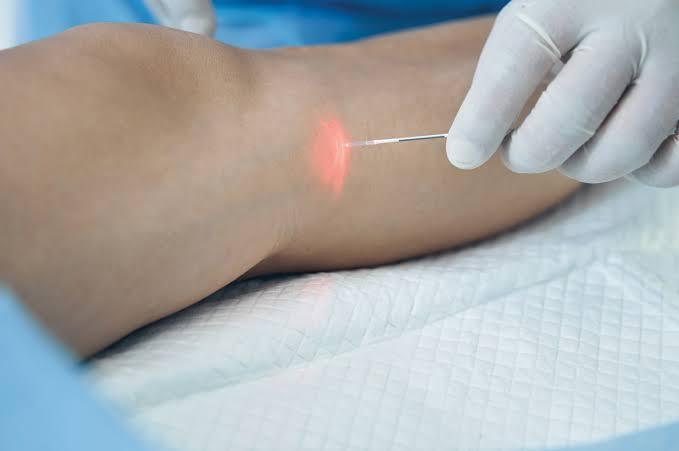
Endovenous laser treatment uses controlled laser energy to close an affected vein. A thin fibre is guided into the vein, allowing energy to heat and seal the targeted area. Blood flow is redirected towards healthier veins.
Radiofrequency Ablation
This minimally invasive procedure uses radiofrequency energy to heat and close a problematic vein. It is often considered for certain larger veins with faulty valves.
Surgical Treatment
In some cases, surgical procedures such as vein ligation or stripping may be considered. These approaches are generally reserved for situations where less invasive treatments are unsuitable or insufficient.
Consider Your Daily Routine and Recovery Needs
Lifestyle and daily responsibilities can influence how someone prepares for treatment and manages recovery. Different procedures have different aftercare requirements, so understanding these expectations beforehand is useful.
Consider the following factors:
-
Physical activity: Ask when walking, exercise, and strenuous activities can safely resume.
-
Work commitments: Recovery recommendations may differ depending on whether your job involves sitting, standing, or physical labour.
-
Travel plans: Long journeys may require additional precautions because prolonged immobility can increase the risk of blood clots.
-
Compression stockings: Some procedures require wearing compression garments for a recommended period.
-
Follow-up visits: Medical reviews help monitor healing and identify possible complications.
Following individual aftercare instructions can support recovery and help reduce the risk of avoidable problems.
Understand Possible Risks and Limitations
Every medical procedure has potential risks, and varicose vein treatments are no exception. Depending on the technique, possible complications include bruising, tenderness, swelling, skin discolouration, inflammation, nerve irritation, and changes in skin sensation.
Less commonly, blood clots, burns, or damage to surrounding tissues may occur. Some treated veins may reopen, while new varicose veins can develop in other areas.
Discussing these possibilities before treatment helps establish realistic expectations. It is also important to understand that treating visible veins does not necessarily correct every underlying circulation problem.
Ask Important Questions During Your Consultation
Before making a treatment decision, prepare questions that help clarify the procedure and its suitability.
Consider asking:
-
What is causing my varicose veins?
-
Do I need a duplex ultrasound?
-
Which treatment approach is suitable for my condition?
-
What are the possible complications?
-
How should I prepare for the procedure?
-
What activities should I avoid during recovery?
-
Will I need additional treatment or follow-up assessments?
Clear answers can help you understand the expected benefits, limitations, and responsibilities associated with treatment.
Conclusion
Choosing varicose vein treatment involves more than addressing visible veins. Symptoms, underlying valve problems, medical history, treatment suitability, and recovery requirements all deserve attention. Understanding the available procedures and discussing potential risks with a qualified healthcare professional can help individuals make informed decisions about their vein health. Regular movement, appropriate medical guidance, and personalised follow-up care also play important roles in managing venous conditions.

