

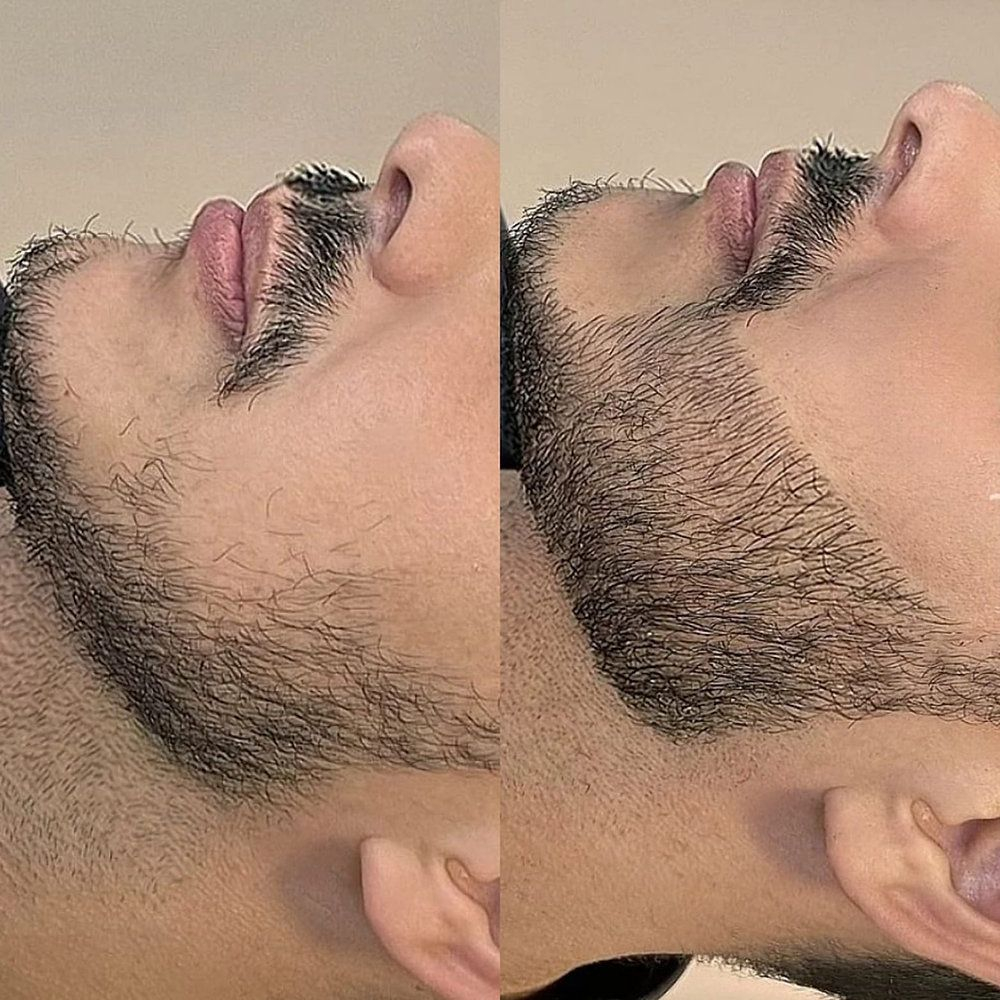

A full, well-shaped beard is an important part of personal appearance for many men. However, genetics, scars, hormonal factors, or uneven hair growth can make it difficult to achieve the desired beard style. Modern hair restoration techniques offer an option for improving facial hair density and creating a more balanced appearance.
A Beard hair transplant in Islamabad can help address patchy areas by transferring healthy hair follicles into selected parts of the face. With careful planning, suitable donor hair, and precise implantation, specialists aim to create results that blend naturally with existing facial hair. Understanding how modern techniques work can help patients make informed decisions about beard restoration.
Understanding Modern Beard Transplant Techniques
Modern beard transplantation commonly uses Follicular Unit Extraction (FUE). This technique involves collecting individual hair follicles from a donor area, usually the back or sides of the scalp. The selected follicles are then implanted into areas where beard growth is limited.
Unlike older methods that may involve removing a larger strip of skin, FUE collects follicles individually. This approach can reduce visible donor-area scarring and allows the specialist to select suitable grafts for facial restoration.
The procedure requires careful attention because facial hair grows at different angles and in specific directions. A specialist must consider these natural patterns when placing each follicle.
The Importance of Natural Beard Design
Natural-looking results begin with a carefully designed beard outline. Every person has a different facial structure, hair distribution, and preferred style. Therefore, a transplant plan should be developed according to individual facial features rather than following a standard design.
During consultation, the specialist may assess:
-
Existing beard density and patchy areas.
-
Facial shape and proportions.
-
Natural hair growth direction.
-
Desired beard outline and thickness.
-
Donor hair availability.
-
Skin condition and medical history.
A well-planned design helps create a beard that complements the face. It also reduces the possibility of an artificial-looking hairline or uneven distribution.
How Precise Follicle Placement Improves Appearance
The direction, angle, and depth of implanted follicles are essential for achieving a natural appearance. Beard hair does not grow straight out of the skin in every area. Cheeks, jawlines, sideburns, and chin regions each have different growth patterns.
During implantation, the specialist carefully considers these differences. Single-hair grafts may be selected for areas requiring softer, more delicate definition, while graft selection for other areas depends on the patient's natural hair characteristics.
For people considering a Beard hair transplant in Islamabad, precise placement is an important part of treatment planning. It helps transplanted hair blend with existing facial hair as it grows.
Choosing Suitable Donor Hair
Donor hair quality can influence the final appearance of a beard transplant. Hair is commonly collected from the back or sides of the scalp because these areas often provide a suitable supply of follicles.
The specialist evaluates hair thickness, texture, density, and availability before selecting grafts. Since scalp hair may have a different texture or growth pattern from natural beard hair, careful selection and placement are important.
The number of grafts required depends on the size of the treatment area and the patient's desired density. A professional assessment helps determine what may be realistically achievable without unnecessarily exhausting the donor area.
Modern Technology and Treatment Planning
Modern transplantation methods allow specialists to examine the donor area, estimate graft requirements, and plan implantation more carefully. Magnification tools and specialized instruments can assist with follicle extraction and placement.
However, technology alone does not determine the quality of the outcome. The specialist's experience, understanding of facial hair patterns, and ability to create an appropriate design remain important.
A Beard hair transplant in Islamabad should begin with a detailed consultation. Patients should have an opportunity to discuss their expectations, understand the procedure, and learn about possible risks and limitations.
Recovery and the Growth Process
After the procedure, patients may experience temporary redness, mild swelling, tenderness, and small scabs around the implanted follicles. These effects generally improve as the skin heals.
During the first few weeks, some transplanted hair shafts may shed. This is commonly an expected stage of the process and does not necessarily mean that the follicles have been lost. New growth usually develops gradually over the following months.
Patients may begin noticing early growth around three to four months, although individual timelines vary. More noticeable results often develop over six to twelve months, with some patients requiring additional time.
Following the surgeon's aftercare instructions is essential. Patients should avoid scratching the treated area, removing scabs, or shaving before receiving professional approval.
Benefits of Natural-Looking Beard Restoration
A beard transplant may offer several appearance-related benefits for suitable candidates. It can help fill selected gaps, improve beard coverage, and create a more consistent facial hair pattern.
Other potential benefits include:
-
Improved coverage in patchy areas.
-
Better definition of the beard outline.
-
A fuller appearance around the cheeks and jawline.
-
The ability to style and trim transplanted hair after healing.
-
Long-term improvement when transplanted follicles survive and grow successfully.
Results vary according to donor hair quality, graft survival, individual healing, and treatment planning. A transplant cannot guarantee a particular beard density or exact style.
Who May Be Suitable for a Beard Transplant?
Men with naturally thin facial hair, uneven beard growth, or certain stable areas of hair loss may be candidates. People who want to improve the appearance of some scars may also be assessed, depending on the scar's condition and blood supply.
Not everyone is suitable for the procedure. The specialist should review medical history, skin health, donor hair availability, and the underlying cause of limited beard growth. Patients should also understand the potential risks, including infection, scarring, temporary numbness, and unsatisfactory growth.
Conclusion
Modern beard transplant techniques combine careful planning, suitable donor hair, and precise follicle placement to improve facial hair coverage. Natural-looking results depend on respecting individual growth patterns and creating a beard design that complements the patient's features.
Anyone considering a Beard hair transplant in Islamabad should consult a qualified and experienced specialist to discuss suitability, expected results, recovery, and possible complications. Realistic expectations and appropriate aftercare are important parts of the restoration journey.
Frequently Asked Questions
1. How does a Beard hair transplant in Islamabad create natural-looking results?
A Beard hair transplant in Islamabad uses carefully selected follicles and precise placement to follow natural facial hair angles, directions, and patterns.
2. Which technique is commonly used for a Beard hair transplant in Islamabad?
A Beard hair transplant in Islamabad commonly uses the FUE technique, in which individual follicles are extracted from a donor area and implanted into selected facial regions.
3. How long does it take to see results from a Beard hair transplant in Islamabad?
A Beard hair transplant in Islamabad produces gradual results, with early growth often appearing after several months and more developed results commonly visible within nine to twelve months.
4. Can a Beard hair transplant in Islamabad fill patchy beard areas?
A Beard hair transplant in Islamabad may improve coverage in suitable patchy areas by placing healthy follicles where additional facial hair growth is desired. Results depend on individual suitability and donor hair availability.
For more information visit
Enfield royal clinic in islamabad

