


Maintaining a property requires attention to areas that may not show visible signs of damage. Moisture behind walls, temperature differences around windows, and unusual heat patterns near electrical components can sometimes indicate conditions worth investigating. Modern inspection tools make it possible to gather additional information without immediately opening walls or disturbing finished surfaces.
Arranging Thermography Testing Punta Gorda FL can help homeowners and property managers identify unusual temperature patterns in accessible areas of a building. In Punta Gorda, FL, where humidity, warm weather, and frequent rainfall can affect building materials, thermal imaging can provide useful information when evaluating possible moisture concerns, insulation differences, and other temperature-related conditions.
What Is Thermography Testing?
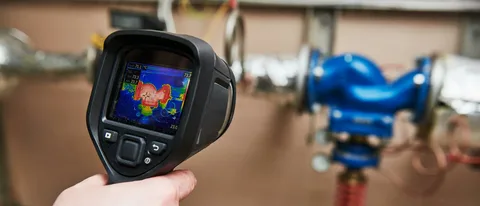
Thermography testing uses an infrared camera to detect and display surface temperature variations. Instead of relying only on visible light, the camera records infrared energy and translates temperature differences into a thermal image.
These images can help an inspector identify areas that appear warmer or cooler than surrounding surfaces. Such variations may be associated with moisture, missing insulation, air leakage, electrical heating, or differences in building materials.
Thermal imaging is a non-invasive method of gathering information. It can help direct attention toward areas that may deserve closer evaluation, but it does not identify the exact cause of every temperature variation. Additional inspection or testing may be necessary to confirm a suspected issue.
Identifying Possible Moisture Concerns
Moisture can enter a property through roof leaks, plumbing connections, damaged window seals, or exterior drainage problems. Sometimes, the affected area is not immediately visible because water may collect behind finished surfaces.
Thermal imaging can help locate temperature patterns that may be consistent with moisture-related conditions. For example, a section of a ceiling or wall may appear cooler than nearby areas because of evaporation or differences in material temperature.
In Punta Gorda, this type of evaluation can be useful when reviewing properties with a history of heavy rainfall, plumbing leaks, or water intrusion. If a thermal image suggests a possible concern, the inspector may recommend moisture measurements or further investigation.
Reviewing Insulation and Air Leakage
Insulation helps maintain comfortable indoor temperatures and supports efficient heating and cooling. Gaps, compressed materials, or uneven installation may create temperature differences across walls, ceilings, and other building surfaces.
A thermal camera can display these variations and help identify areas that may deserve attention. Inspectors may review patterns around attic spaces, exterior walls, windows, doors, and ceiling sections.
Air leakage can also influence surface temperatures. Small gaps around openings or building connections may allow conditioned air to escape or outdoor air to enter. Thermal imaging can help locate suspicious patterns, although additional evaluation is needed to determine the exact source.
Examining Electrical Components
Electrical systems are another area where thermal imaging may provide useful information. Loose connections, excessive electrical loads, or deteriorating components can sometimes produce unusual heat patterns.
When conditions and access allow, an appropriately qualified inspector may use thermal imaging to review accessible electrical components. Areas showing unusual temperatures may need further examination by a licensed electrician.
Thermography is not a replacement for a complete electrical inspection. It is a supplementary tool that can help identify areas requiring closer attention.
Why Local Conditions Matter
Punta Gorda properties experience warm temperatures, high humidity, and seasonal weather changes. These conditions can influence how buildings retain heat, manage moisture, and maintain indoor comfort.
Air conditioning systems operate regularly in the local climate, making insulation and air leakage important considerations. Roofs, exterior walls, windows, and plumbing areas may also deserve attention when a property has experienced water intrusion or temperature inconsistencies.
A thermal evaluation can provide additional information about these areas, particularly when combined with a visual inspection and appropriate moisture measurements.
Preparing for a Thermography Appointment
Homeowners can help make the inspection more useful by explaining any concerns before the appointment. Mention unusual temperature differences, recurring moisture problems, previous leaks, or areas where indoor comfort seems inconsistent.
Depending on the purpose of the evaluation, the inspector may recommend particular indoor temperature conditions or operating settings before arriving. Following these instructions can help create suitable conditions for capturing meaningful thermal images.
It is also helpful to provide access to relevant rooms, electrical equipment, attic entrances, and other areas that may need review. Any available repair or maintenance records can provide additional background.
Understanding the Thermal Images
After testing, the thermal images should be reviewed alongside the property's visible condition and other inspection findings. A temperature difference is an observation, not automatic proof of a defect.
The inspector can explain which patterns deserve further attention and whether additional measurements or specialist evaluations may be appropriate. This helps property owners avoid making repair decisions based on an image alone.
Keeping the report and related photographs can also be useful for future maintenance planning. If repairs are completed, homeowners may arrange a follow-up evaluation when appropriate.
Schedule Thermography Testing in Punta Gorda
Understanding unusual temperature patterns can help property owners decide whether certain areas need closer evaluation. Thermography provides an additional inspection method for reviewing possible moisture concerns, insulation differences, air leakage, and electrical heating patterns.
If you own or manage a property in Punta Gorda, contact a qualified inspection service to discuss your concerns and arrange an appointment. A suitable evaluation can provide useful thermal images and help determine whether further investigation is recommended.

