

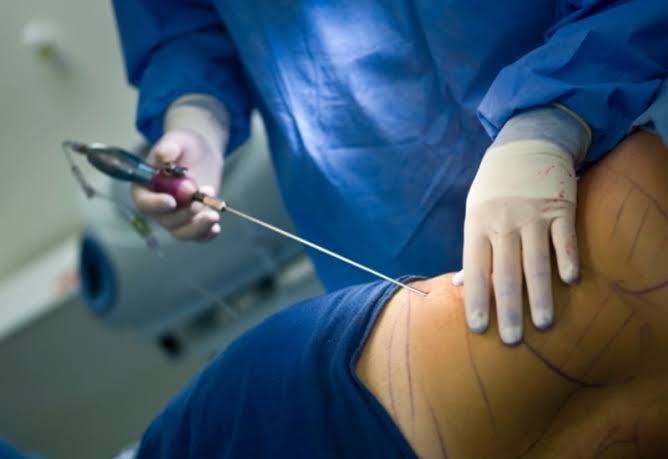

Body Jet Liposuction can help remove stubborn fat deposits that remain in specific areas despite regular exercise and a balanced diet. It uses a water-assisted technique to loosen fat cells before they are removed through suction, allowing the surgeon to focus on selected areas of the body. Individuals considering Body Jet Liposuction in Dubai can consult specialists at Dynamic Life Clinic to determine whether this approach is suitable for their body shape, fat distribution, and treatment goals.
Understanding Resistant Fat Deposits
Resistant fat refers to localised fat deposits that may remain even when a person maintains a healthy lifestyle. Genetics, hormones, age, and natural body composition can influence where the body stores fat. Common areas include the abdomen, waist, hips, thighs, upper arms, and back. These deposits do not necessarily indicate excess body weight, as some individuals maintain a stable weight but remain concerned about specific body contours.
How Body Jet Liposuction Targets Stubborn Fat
Body Jet Liposuction uses a specialised cannula that delivers a controlled stream of fluid to loosen fat from surrounding tissues. The loosened fat is then removed through suction. This water-assisted approach allows the surgeon to target selected areas according to the patient's anatomy. The procedure is designed for localised fat reduction rather than general weight loss, and the amount that can be safely removed depends on individual circumstances.
Areas Commonly Treated for Resistant Fat
The technique may be considered for several areas where localised fat affects body proportions. Common treatment areas include:
-
Abdomen: Addresses selected fat deposits around the stomach.
-
Waist and flanks: Helps reduce fullness around the sides of the torso.
-
Thighs: Targets stubborn deposits that affect the shape of the upper legs.
-
Upper arms: May reduce suitable fat beneath the skin.
-
Back: Addresses localised fullness around the upper or lower back.
-
Hips: May improve the transition between the waist and thighs.
The suitability of each area depends on fat distribution, skin quality, and overall health.
Advantages of Water-Assisted Fat Removal
The water-assisted technique is designed to loosen fat using a controlled fluid stream before suction. This may help the surgeon work on selected fat deposits with controlled movements. It can be useful when a patient wants targeted contouring rather than a major change in body weight. However, the technique still involves surgery, and it does not guarantee less bruising, swelling, discomfort, or complications than other liposuction methods.
Difference Between Resistant Fat and Loose Skin
Resistant fat and loose skin are separate concerns that require different treatment approaches. Liposuction removes fat beneath the skin, but it does not reliably tighten significantly stretched or sagging tissue. Patients with reduced skin elasticity may notice that the skin does not contract smoothly after fat removal. During consultation, the surgeon evaluates whether liposuction alone is appropriate or whether another body-contouring procedure should be considered.
Suitable Candidates for Treating Resistant Fat
Body Jet Liposuction may be appropriate for adults who are close to their desired weight and have localised fat deposits that remain despite consistent lifestyle habits. Candidates should generally be in good health, have realistic expectations, and understand the recovery process. A specialist also reviews skin elasticity, medical history, previous procedures, medications, and any conditions that could increase surgical risks.
Checkpoint: Important Factors Before Treating Resistant Fat
Before choosing Body Jet Liposuction, patients should consider the following points:
-
Stable weight: Significant weight fluctuations can affect body contours and long-term results.
-
Fat location: The procedure is intended for accessible fat beneath the skin, not fat surrounding internal organs.
-
Skin elasticity: Good skin quality may support a smoother contour after fat removal.
-
Medical suitability: Existing health conditions and medications should be reviewed.
-
Treatment goals: The expected improvement should be realistic and based on natural body proportions.
-
Lifestyle habits: Maintaining a healthy routine helps support the results after surgery.
Recovery After Body Jet Liposuction
Recovery varies according to the number of areas treated, the amount of fat removed, and individual healing. Patients may experience swelling, bruising, tenderness, and temporary numbness or changes in sensation. Compression garments are often recommended to support the treated areas during recovery. Light movement may be encouraged, while strenuous exercise and heavy lifting should be postponed until the surgeon confirms that it is safe to resume them.
Risks and Limitations of Resistant Fat Removal
Body Jet Liposuction is a surgical procedure and carries potential complications. These include bleeding, infection, fluid accumulation, contour irregularities, asymmetry, scarring, altered sensation, and blood clots. Removing too much fat may produce uneven contours, while poor skin elasticity can affect the final appearance. The procedure also cannot prevent future weight gain or correct every cause of body fullness. A thorough assessment helps establish whether the expected benefits justify the risks.
Frequently Asked Questions
Patients often want to know whether Body Jet Liposuction can address stubborn deposits and how long the results may last. These answers explain some important aspects of treatment.
Can Body Jet Liposuction Remove Fat That Does Not Respond to Exercise?
Yes, it may remove selected localised fat deposits that remain despite exercise and healthy eating. However, it is intended for body contouring rather than weight reduction.
Which Areas Are Most Suitable for Resistant Fat Removal?
The abdomen, waist, hips, thighs, upper arms, and back may be considered. The appropriate treatment areas depend on the patient's anatomy, fat distribution, and medical suitability.
Does Body Jet Liposuction Prevent Fat From Returning?
Fat cells removed during surgery are generally permanently removed from the treated area. However, remaining fat cells can enlarge with weight gain, so maintaining a stable weight remains important.
Can Body Jet Liposuction Treat Deep Abdominal Fat?
No. The procedure targets fat beneath the skin and does not remove visceral fat surrounding internal organs. Deep abdominal fat requires a different approach focused on overall health and lifestyle.
Is Body Jet Liposuction Suitable for People With Loose Skin?
It may not be sufficient when significant loose skin is present. The surgeon should assess skin elasticity and explain whether another procedure may be more appropriate for achieving the desired contour.
Conclusion
Body Jet Liposuction can effectively target selected resistant fat deposits by using a water-assisted technique to loosen and remove fat beneath the skin. It may help improve body contours in individuals who are close to their desired weight but have localised areas of fullness. However, suitability depends on skin quality, fat distribution, health, and realistic expectations. A professional consultation helps determine whether this technique is an appropriate option for achieving balanced body-contouring results.

