


Hair thinning and excessive shedding can affect hair density, scalp coverage, and overall appearance. Many people explore non-surgical treatments that may help strengthen existing hair and support healthier growth. Platelet-rich plasma (PRP) therapy is one option that uses components from a person's own blood to support the hair follicles. For individuals researching Best PRP Hair Treatment in Dubai, understanding how the treatment works can help them make an informed decision. PRP contains a concentrated amount of platelets, which release growth factors involved in tissue repair and cellular communication. When injected into selected areas of the scalp, these growth factors may help create a more supportive environment for existing hair follicles.
Understanding the Natural Hair Growth Cycle
Hair grows through a repeating cycle consisting of three main stages: anagen, catagen, and telogen. The anagen phase is the active growth stage, during which hair follicles produce new strands. The catagen phase is a short transitional period when growth slows, while the telogen phase is the resting stage before the hair naturally sheds. In people with pattern hair loss, this cycle can become disrupted. The growth phase may become shorter, and follicles can gradually produce finer, thinner hairs. PRP is intended to support follicular activity, although it does not reset every hair follicle or guarantee a return to its previous growth cycle.
What Is Platelet-Rich Plasma?
Platelet-rich plasma is prepared from a small sample of the patient's own blood. The sample is placed in a specialised centrifuge, which separates its components and concentrates the platelets in a portion of plasma. Platelets are best known for their role in blood clotting, but they also release growth factors and signalling proteins involved in the body's natural repair processes. These substances may influence cell activity and tissue responses. The prepared plasma is then injected into selected areas of the scalp as part of the treatment. Because PRP comes from the patient's own blood, it is an autologous treatment, but this does not remove all possible procedural risks.
How PRP Supports Hair Follicle Activity
Hair follicles are small structures within the skin that produce hair strands. Their activity depends on several biological signals and the surrounding tissue environment. PRP contains growth factors that may influence cellular communication, blood vessel activity, and processes involved in tissue repair. When introduced into the scalp, these components may help support the environment around existing follicles. Researchers are studying how PRP may affect follicular cells and hair growth pathways, but the exact mechanisms are not fully established. The treatment is generally considered a supportive approach rather than a method of creating new follicles.
The Role of Growth Factors in Hair Regrowth
Growth factors are naturally occurring proteins that help regulate different cellular processes. Platelets contain several types, including platelet-derived growth factor, vascular endothelial growth factor, and transforming growth factor-beta. These substances are involved in processes such as cell signalling, tissue repair, and blood vessel development. In hair restoration research, scientists are examining whether these factors can influence the cells involved in follicle growth and help maintain a healthier follicular environment. Their effects depend on concentration, preparation methods, and individual biological responses. This is one reason why PRP results can vary from person to person.
Supporting Blood Supply Around Hair Follicles
Healthy hair follicles require oxygen and nutrients supplied through the surrounding blood vessels. Some growth factors released by platelets may influence angiogenesis, which is the formation of new blood vessels. Researchers believe this process could contribute to a supportive environment around hair follicles. However, it is important not to assume that increased blood supply alone produces hair regrowth. Hair growth depends on several interacting factors, including genetics, hormones, follicle health, and the normal hair cycle. PRP is being studied for its potential role in supporting these processes, particularly in people with pattern hair thinning.
Helping Improve Hair Density and Thickness
One of the main reasons people consider PRP is the possibility of improving hair density and the appearance of thinning areas. Some clinical studies have reported increased hair density following PRP treatment in people with androgenetic alopecia, also known as male or female pattern hair loss. Improvements may be related to changes in follicular activity and the condition of existing hair strands. However, not everyone experiences noticeable thickening, and research findings are not completely consistent. PRP is generally more relevant when follicles remain active but are producing finer or weaker hair. It is unlikely to restore hair in areas where follicles have been permanently destroyed.
What Happens During a PRP Hair Treatment Session?
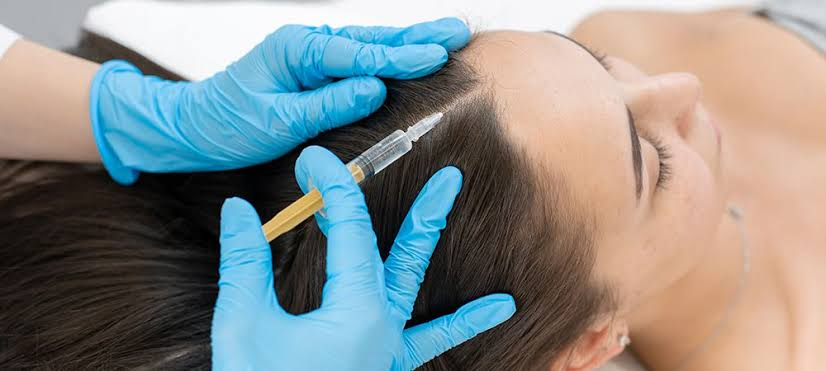
The procedure usually begins with a consultation and examination of the scalp. Once the treatment plan is confirmed, a small blood sample is collected from the patient. The sample is processed in a centrifuge to separate and concentrate the platelet-rich portion. The scalp is then cleaned, and the prepared PRP is injected into selected areas using fine needles. A topical or local numbing method may be considered to reduce discomfort. The procedure is generally performed without surgery, and patients can usually return to routine activities according to their clinician's advice. The exact preparation and injection technique can differ between providers.
How Many Sessions May Be Needed?
PRP hair restoration usually involves a series of sessions rather than a single treatment. A common approach may include three initial sessions spaced approximately four to six weeks apart, followed by maintenance treatments when appropriate. However, there is no universally agreed schedule, and the recommended number of sessions depends on the individual's hair loss pattern, response, and clinical assessment. Some people may need a different treatment interval or additional management for an underlying cause of hair thinning. Following the recommended schedule can help clinicians assess progress, but attending every session does not guarantee hair regrowth.
When Can Natural Hair Growth Changes Become Visible?
Hair growth is gradual, so PRP does not produce immediate changes. People who respond may begin noticing reduced shedding or improvements in hair texture after a few months. Changes in visible density can take longer because new hair must grow through the scalp and develop sufficient length to become noticeable. Many treatment plans assess progress over three to six months or longer. Results depend on follicle condition, the cause of hair loss, treatment protocol, and individual response. Taking photographs before treatment and during follow-up appointments can help compare changes more accurately than relying only on memory.
Which Types of Hair Loss May Respond to PRP?
PRP has been most widely studied for androgenetic alopecia, a hereditary condition that causes gradual hair thinning in men and women. It may be considered for people who still have active follicles in affected areas. Its role in other types of hair loss is less established. For example, sudden shedding may be related to illness, stress, nutritional deficiencies, hormonal changes, or medication. Scarring alopecia can permanently damage follicles and requires specific medical management. A professional assessment is important because the right treatment depends on the underlying diagnosis, not simply the amount of hair being lost.
Who May Benefit From PRP Hair Restoration?
People with early or moderate pattern hair thinning may be considered for PRP if their follicles remain active and their general health allows treatment. It may be an option for individuals who want to explore a non-surgical approach or use PRP alongside other suitable hair loss treatments. However, people with active scalp infections, certain blood or platelet disorders, significant anaemia, or other medical concerns may require further evaluation before treatment. Those with extensive permanent baldness may be less likely to benefit. A clinician should review medical history, medications, scalp condition, and expectations before recommending PRP.
Possible Side Effects and Treatment Considerations
PRP uses the patient's own blood, but the procedure can still cause temporary side effects. These may include scalp tenderness, mild swelling, redness, bruising, itching, or discomfort around injection points. Infection is uncommon but remains possible if appropriate hygiene and sterile techniques are not followed. Patients should discuss bleeding conditions, platelet problems, current medication, and any ongoing medical treatment before the procedure. It is also important to understand that PRP is not a guaranteed solution and may not work equally well for every type of hair loss. A qualified professional can explain the potential benefits and limitations based on individual circumstances.
Can PRP Be Combined With Other Hair Loss Treatments?
PRP may sometimes be used as part of a broader hair restoration plan. Depending on the diagnosis, a clinician may discuss combining it with established treatments such as topical minoxidil or other medically appropriate therapies. These options work through different mechanisms and may help address ongoing pattern hair loss. The decision to combine treatments should be based on medical assessment, because some medications may not be suitable for particular patients. PRP should not replace treatment for an underlying health condition, nutritional deficiency, or scalp disorder that is contributing to hair loss.
Conclusion
PRP therapy may support natural hair regrowth by delivering concentrated platelets and growth factors to selected areas of the scalp. These components may influence cellular activity and help create a more supportive environment for existing hair follicles. Some research suggests that PRP can improve hair density in people with pattern hair loss, but results vary and the evidence is still developing. It does not create new follicles or guarantee complete restoration. Understanding the cause of hair thinning, assessing follicle health, and following an individually planned treatment approach are important steps before choosing PRP.
Frequently Asked Questions
1. Does PRP therapy activate natural hair growth?
PRP may support the activity of existing hair follicles through growth factors released by concentrated platelets. Its effects vary, and it cannot guarantee new hair growth.
2. How does PRP help hair follicles?
PRP contains growth factors that may influence cellular signalling, tissue repair, and the environment around hair follicles. Researchers are still studying the precise mechanisms involved.
3. Can PRP make thinning hair thicker?
Some people with pattern hair loss may experience improved hair density or thickness. However, the degree of improvement varies according to follicle health and individual response.
4. Does PRP create new hair follicles?
No. PRP is intended to support existing follicles. It does not create new follicles or reliably restore hair in completely bald areas where follicles have been permanently lost.
5. How long does PRP take to show results?
Some people may notice changes after a few months, while visible improvements in density can take longer. Progress is usually assessed over several months.
6. Is PRP effective for hereditary hair loss?
PRP has been studied for male and female pattern hair loss. Some studies report improvements in hair density, but the quality of evidence and individual results vary.
7. How many PRP sessions are usually required?
A common initial plan involves around three sessions spaced several weeks apart. The exact schedule and need for maintenance treatments should be determined by a qualified clinician.
8. Can PRP stop hair shedding completely?
PRP may help some people with certain types of hair loss, but it cannot guarantee that shedding will stop. The underlying cause of hair loss must also be assessed.
9. Is PRP hair treatment painful?
Patients may experience mild discomfort or a stinging sensation during scalp injections. A numbing method may be used to make the procedure more comfortable.
10. Can PRP be combined with other hair treatments?
Yes, in selected cases, PRP may be combined with other medically appropriate treatments. A clinician should recommend the combination based on the type and severity of hair loss.

