

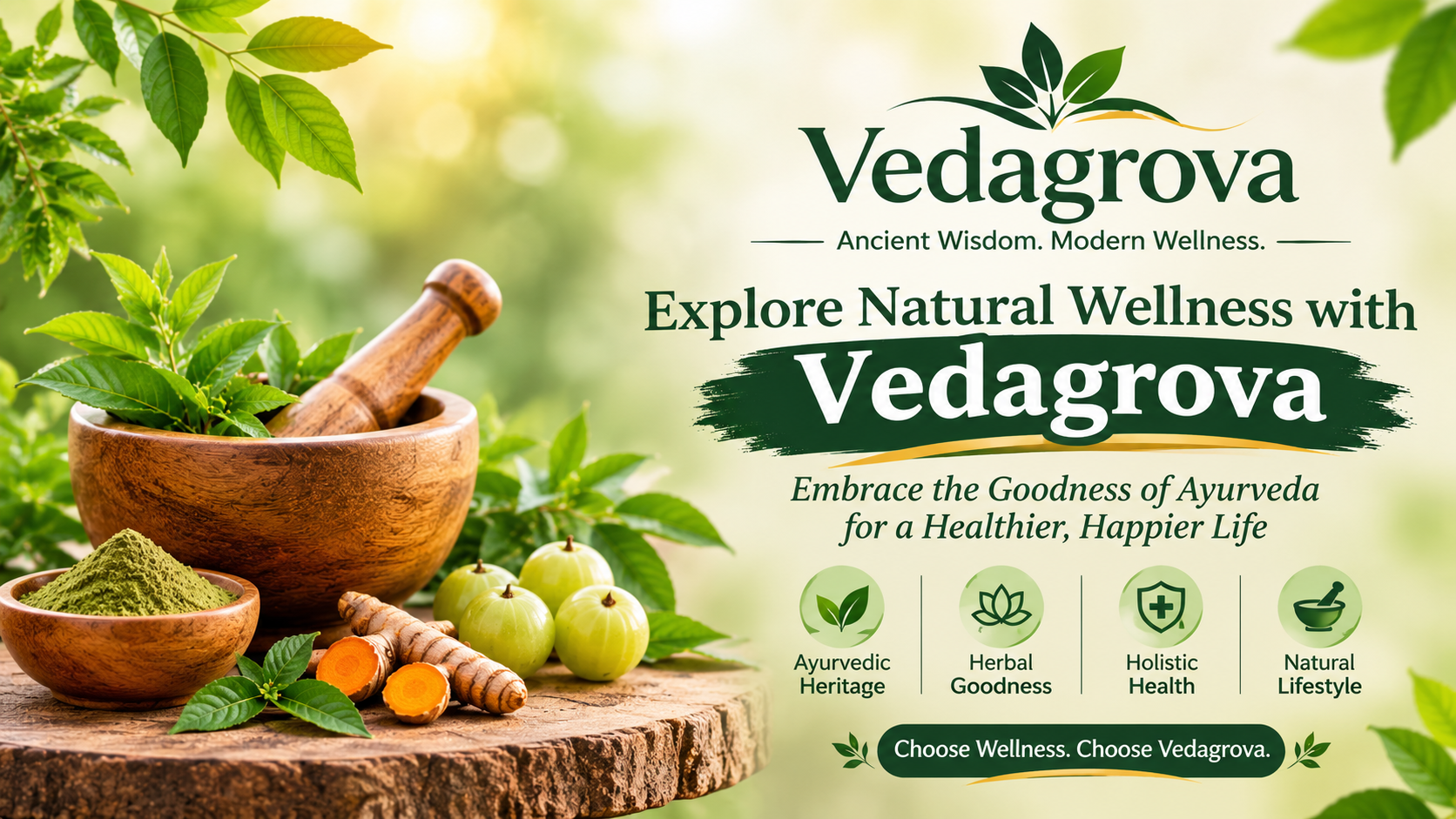
Maintaining a healthy lifestyle requires more than simply following a balanced diet or exercising regularly. It involves making thoughtful decisions about nutrition, daily habits, and the products we choose for our overall well-being. With increasing awareness of natural ingredients and traditional healthcare practices, herbal wellness products are becoming an important consideration for modern consumers. People are showing greater interest in plant-based ingredients, Ayurvedic traditions, and natural approaches to everyday wellness.
This growing interest has created opportunities for brands that connect traditional knowledge with contemporary health and lifestyle preferences. Vedagrova brings attention to this evolving approach by encouraging consumers to explore herbal and Ayurvedic wellness options. By understanding the importance of natural ingredients and making informed choices, individuals can take a more mindful approach towards their everyday health and wellness goals.
Understanding Herbal Wellness Products
Herbal wellness products are preparations that contain ingredients obtained from plants, herbs, roots, leaves, flowers, or other naturally sourced materials. These ingredients have been used in traditional wellness practices across different cultures for generations.
In India, Ayurveda has played an important role in introducing people to the traditional uses of herbs and plant-based ingredients. Ingredients such as amla, turmeric, ashwagandha, moringa, and tulsi are widely recognised in Indian wellness traditions.
Today, herbal products are available in several forms, including powders, capsules, extracts, oils, and other preparations. Their suitability depends on individual requirements, ingredient quality, and recommended usage.
Vedagrova reflects the growing consumer interest in herbal wellness and the importance of exploring traditional ingredients through informed and responsible choices.
Why Are More People Exploring Herbal Wellness?
Modern consumers are becoming increasingly conscious of their lifestyle choices. They want to understand what goes into the products they purchase and how different ingredients fit into their daily routines.
Several factors contribute to the growing popularity of herbal wellness products.
-
Interest in traditional knowledge: Many people are rediscovering Ayurveda and other traditional wellness practices.
-
Ingredient awareness: Consumers increasingly pay attention to product labels, ingredient lists, and sourcing information.
-
Lifestyle consciousness: People are looking for ways to complement healthy eating, exercise, and everyday self-care.
-
Plant-based preferences: Herbal ingredients attract consumers interested in exploring plant-based wellness options.
-
Preventive health awareness: More individuals are focusing on maintaining healthy habits instead of relying only on short-term solutions.
This shift towards informed wellness choices has made herbal products an important part of conversations about modern lifestyles. Vedagrova connects with this interest by bringing herbal and Ayurvedic wellness into focus.
Popular Herbal Ingredients and Their Traditional Importance
India has a rich history of using herbs in food, traditional preparations, and wellness practices. Understanding some commonly recognised ingredients can help consumers make more informed choices.
1. Amla
Amla, also known as Indian gooseberry, is traditionally valued for its nutritional properties. It is a natural source of vitamin C and contains various plant compounds. Amla is commonly included in traditional preparations and dietary products.
2. Turmeric
Turmeric is an important ingredient in Indian cooking and traditional wellness practices. It contains curcumin, a naturally occurring compound that has been studied for its biological properties. It is commonly available in powdered and extract forms.
3. Moringa
Moringa is recognised for its nutritional composition. Its leaves contain vitamins, minerals, and other plant compounds. Moringa powder and other preparations have gained popularity among consumers interested in plant-based nutrition.
4. Ashwagandha
Ashwagandha is a well-known herb in Ayurvedic traditions. It is commonly discussed in connection with stress management and general wellness. However, its suitability varies between individuals, and professional guidance is advisable before using supplements.
5. Tulsi
Tulsi, also called holy basil, has an important place in Indian household traditions. It is commonly consumed in herbal teas and traditional preparations.
Exploring these ingredients can help consumers better understand the variety of options available in the herbal wellness category. Vedagrova encourages an informed approach to discovering natural and Ayurvedic wellness options.
How Herbal Products Can Complement a Balanced Lifestyle
Herbal products should be viewed as one possible part of a broader wellness routine rather than a replacement for healthy lifestyle habits.
A balanced approach begins with proper nutrition. Eating a variety of fruits, vegetables, whole grains, and protein-rich foods helps provide essential nutrients. Regular physical activity supports fitness, while sufficient sleep allows the body to recover.
Stress management is equally important. Activities such as walking, yoga, meditation, and spending time outdoors can support mental and physical well-being.
When choosing herbal supplements, consumers should understand their ingredients, follow recommended instructions, and consider their individual health requirements.
Vedagrova aligns with the growing interest in combining traditional wellness inspiration with modern lifestyle awareness. The goal is to encourage thoughtful product choices alongside sustainable everyday habits.
What Should You Check Before Buying Herbal Products?
Selecting the right herbal product requires attention to more than its packaging or promotional claims. Consumers should evaluate important product details before making a purchase.
Consider these factors:
-
Ingredient information: Check the complete ingredient list and understand the purpose of each ingredient.
-
Manufacturing details: Look for clear information about the manufacturer and applicable quality standards.
-
Product authenticity: Purchase from reliable sources and check packaging details.
-
Usage instructions: Follow the recommended dosage and directions provided on the product label.
-
Expiry information: Always check manufacturing and expiry dates before purchasing.
-
Individual suitability: Consider allergies, existing health conditions, and possible interactions with medications.
A responsible purchasing decision helps reduce confusion and encourages better awareness about wellness products.
When exploring Vedagrova, customers can review the available product information and choose options according to their preferences and requirements.
Vedagrova: Exploring Herbal Wellness with a Modern Perspective
As interest in Ayurveda and natural wellness continues to grow, consumers are looking for brands that help them explore different herbal and plant-based options.
Vedagrova represents an opportunity to discover the connection between traditional herbal knowledge and modern wellness preferences. The brand's focus on Ayurvedic and herbal wellness makes it relevant to consumers interested in learning more about natural ingredients and their place in everyday routines.
Whether someone is beginning to explore herbal products or already has an interest in traditional wellness practices, understanding product information is an important first step.
Rather than following every new wellness trend, consumers should focus on their individual needs and make choices based on reliable product information.
Simple Ways to Build a Healthier Daily Routine
A healthy lifestyle becomes easier to maintain when small positive habits are followed consistently.
Here are some practical ways to improve your everyday routine:
-
Start your day with a nutritious breakfast.
-
Include fresh fruits and vegetables in your meals.
-
Drink sufficient water throughout the day.
-
Maintain a regular physical activity schedule.
-
Practise yoga, meditation, or other stress-management activities.
-
Maintain consistent sleeping hours.
-
Read product labels before introducing new supplements.
-
Seek professional advice when considering herbal products for specific health concerns.
These simple habits can help establish a more balanced approach to everyday wellness. Herbal products may complement certain lifestyle preferences, but they should never replace medical treatment or professional healthcare advice.
Conclusion
Herbal wellness products are attracting attention as more people explore traditional ingredients, Ayurvedic practices, and natural approaches to everyday living. From amla and turmeric to moringa and tulsi, India's traditional herbal knowledge offers a wide range of ingredients that continue to interest modern consumers.
Vedagrova brings this interest into the modern wellness conversation by encouraging people to explore herbal and Ayurvedic options with greater awareness. Choosing suitable products, understanding their ingredients, and maintaining healthy daily habits are important steps towards a more mindful lifestyle.
Explore Vedagrova to discover its offerings and learn more about bringing traditional herbal wellness inspiration into your everyday routine.

