

One of Your All-on-X Teeth Feels Loose: Is It the Bridge or the Implant?

You are eating dinner when one of your replacement teeth suddenly feels different. Perhaps it clicks when you chew, shifts slightly, or no longer meets the opposing teeth as it used to. If you have All-on-X dental implants, a change like this raises an important question: has the bridge loosened, or is an implant underneath it causing the problem?
These situations need different treatment. A loose bridge connection may be repairable, while movement of an implant itself needs careful investigation. In that case, contact your implant dentist promptly instead of trying to find the cause by moving the tooth yourself.
What Holds All-on-X Dental Implants in Place?
All-on-X treatment uses several implants to support a fixed set of replacement teeth. The number of implants depends on factors such as jaw anatomy, available bone, and the patient's treatment plan.
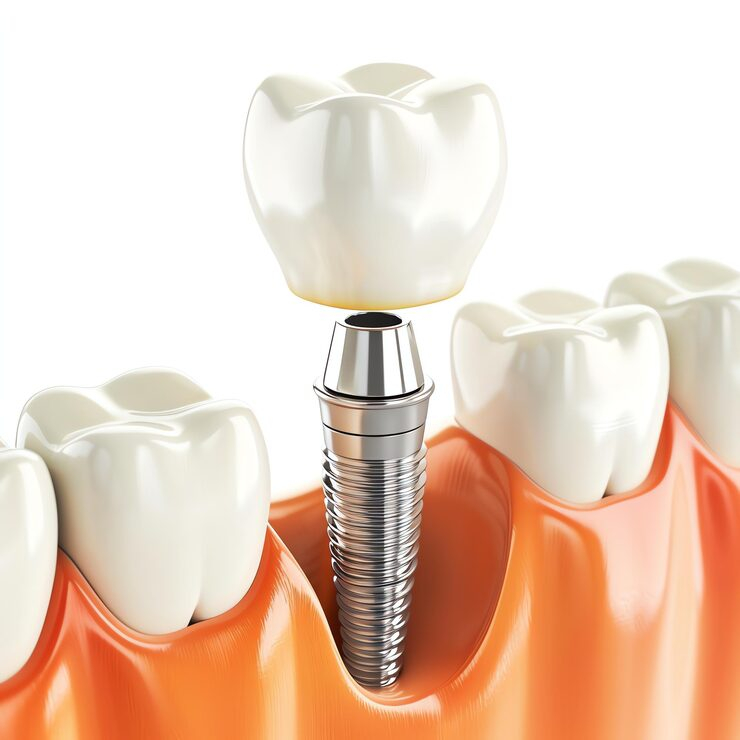
The implants sit in the jawbone and connect to the bridge through supporting components called abutments. Screws or other attachments secure the restoration, depending on its design. A problem with one component does not automatically mean the entire restoration has failed.
Understanding these parts helps explain why a loose bridge and a moving implant are different concerns.
Is the Bridge Loose, or Is an Implant Moving?
You might notice clicking, movement while chewing, or a sudden change in how your teeth meet. These signs help describe the problem, but an examination is needed to identify its source.
A few possibilities include:
-
A loose bridge connection: A screw or attachment may have loosened, allowing part of the restoration to move.
-
Damage to the bridge: A crack, chipped section, or damaged connection can make one area feel unstable even when the supporting implants remain secure.
-
A change in your bite: Uneven pressure may make chewing feel different and place extra stress on the restoration.
-
Movement of an implant: An implant that moves within the jawbone needs prompt professional assessment. Problems with bone support, integration, or surrounding tissues may be involved.
Avoid repeatedly pushing the teeth with your tongue or fingers to test their movement. If the bridge feels unstable, stop chewing on the affected side until your dentist advises you.
What Other Warning Signs Should You Watch For?
Movement is not the only sign of a problem. Gum swelling, bleeding around an implant, discomfort when chewing, or an unpleasant taste may indicate an issue involving the restoration or nearby tissues.
Pain does not always occur when a mechanical component loosens. Discomfort alone also does not prove an implant has failed. Your dentist needs to examine the bridge and surrounding tissues before deciding what the symptoms mean.
Contact your dental practice promptly if you notice new movement or a sudden change in your bite. Significant swelling or severe pain needs urgent attention. Facial swelling accompanied by difficulty breathing or swallowing requires immediate emergency medical care.
What Can All-on-6 Before-and-After Photos Tell You?
People comparing before-and-after photos of All-on-6 dental implants are often looking at changes in their smile, tooth shape, and overall appearance. These images can help illustrate the cosmetic result, but they cannot show the condition of the implant connections or reveal changes in the supporting bone.
A restoration may look natural in photographs and still need repair or maintenance. If your teeth suddenly feel different when eating, a good-looking result is no substitute for a clinical examination.
Your dentist may inspect the bridge, assess your bite, examine the gum tissue, and take dental images if needed. These checks help identify the actual problem rather than relying on appearance alone.
Does a Loose Bridge Mean Your Implants Have Failed?
No. Movement in the bridge does not automatically mean the implants themselves have failed. A problem limited to a screw, attachment, or section of the prosthesis may be manageable without replacing the implants.
Treatment depends on the findings. Your dentist might repair or replace a component, address damage to the bridge, or recommend further care if an implant or the surrounding bone is affected.
Do not try to tighten screws or adjust the restoration at home. Implant-supported teeth require the right tools and a proper assessment, and an improvised repair could cause further damage.
What Might the Repair Cost?
The cost depends on the part that needs attention. Correcting a loose connection differs from repairing a fractured bridge or treating an implant that has lost support. Your dentist must identify the problem before giving you a meaningful estimate.
So, the question is “How much do All-on-4 dental implants cost?” The price of initial treatment is different from the cost of repairing an existing All-on-X restoration. A repair estimate should explain the work involved, any replacement components, and the follow-up care required.
Previous treatment records and maintenance documents may also help the dentist understand how your bridge was designed. Ask for a clear explanation of the proposed repair and associated fees before non-emergency treatment begins.
Get Your All-on-X Restoration Checked in Burlington
A change in how your replacement teeth fit or feel deserves attention before it interferes further with chewing. Identifying the cause is the first step toward deciding how to protect the restoration.
Greenwood Dental Partners provides the best dental implant services. Explore Burlington dental office page to contact the practice and ask about an evaluation. Describe the movement or change in your bite and when you first noticed it, so the team can advise you on the next step.

