


Maintaining balanced mineral levels is essential for supporting the body's normal functions, including metabolism, energy production, muscle activity, nerve communication, and immune health. Minerals and trace elements are required in different amounts, and both deficiencies and excessive intake can affect overall well-being. Oligo Check is marketed as a non-invasive screening assessment designed to provide an overview of potential mineral and trace-element imbalances. Through a device-based scanning process, it generates a report that may help individuals explore nutritional concerns and discuss their wellness goals with a healthcare professional. Understanding how Oligo Check in Dubai works, what its report includes, and its limitations can help people make more informed decisions about their nutritional health.
Understanding the Connection Between Minerals and Overall Wellness
Minerals are essential nutrients that participate in numerous biological processes. Calcium supports bone strength and muscle contractions, magnesium contributes to energy production and nerve function, and zinc supports immune activity and tissue repair. Iron is necessary for haemoglobin production, while potassium helps regulate fluid balance and normal muscle function. An inadequate intake of certain minerals may contribute to nutritional deficiencies, whereas excessive intake can sometimes cause adverse effects. Maintaining a balanced diet and understanding individual nutritional requirements are therefore important parts of supporting long-term wellness.
How the Oligo Check Assessment Works
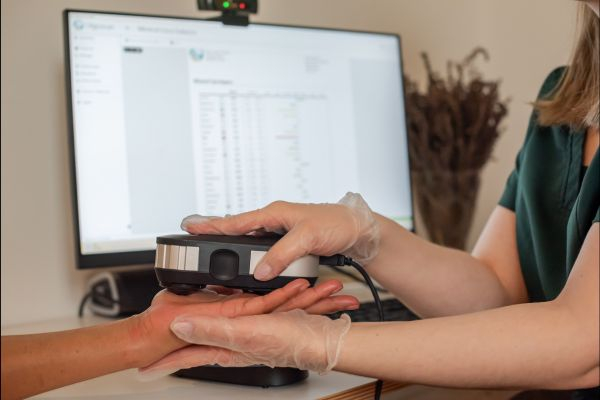
Oligo Check devices are marketed as using spectrophotometric technology to collect information through contact with designated areas of the skin, commonly the palm. A handheld sensor directs light towards the skin and processes the reflected optical information through specialized software. The system then generates a report containing estimated mineral and trace-element indicators. Unlike conventional blood testing, the assessment does not generally require needles or blood collection. However, the ability of these devices to accurately measure mineral concentrations in body tissues has not been sufficiently established through independent clinical validation.
Identifying Essential Minerals and Trace Elements
One of the main purposes promoted for Oligo Check is providing an overview of different minerals and trace elements. Depending on the device and assessment panel, its report may include estimated indicators for calcium, magnesium, zinc, iron, copper, selenium, and other elements. These nutrients perform different functions, so understanding their importance can encourage individuals to review their eating habits and discuss possible nutritional concerns. However, the reported values should not be interpreted as confirmed measurements or proof of a deficiency. Appropriate laboratory investigations are necessary when a specific nutritional problem is suspected.
Exploring Potential Nutritional Imbalances
Nutritional imbalances can develop because of inadequate dietary intake, poor nutrient absorption, certain medications, or underlying health conditions. Oligo Check reports may highlight estimated mineral levels that the device identifies as potentially outside its suggested ranges. These findings may encourage individuals to discuss their nutritional habits and possible deficiencies with a healthcare professional. However, a screening report cannot independently establish whether an imbalance exists. Further assessment through appropriate laboratory investigations is important before making dietary changes or starting supplements.
Understanding the Role of Vitamins and Antioxidants
Some Oligo Check systems also claim to provide information about vitamins and antioxidant-related indicators. Vitamins such as A, C, D, and E contribute to different body functions, including immune support, bone health, and cellular protection. Antioxidants help protect cells against oxidative damage caused by unstable molecules known as free radicals. Understanding nutritional requirements can encourage healthier food choices, but skin-based Oligo Check readings should not be treated as verified vitamin measurements. Specific vitamin deficiencies require appropriate laboratory testing and clinical interpretation.
Evaluating Potential Heavy Metal Exposure
Certain Oligo Check devices also claim to provide information about potentially harmful elements, including lead, mercury, arsenic, and cadmium. Exposure to these metals may occur through contaminated food, drinking water, environmental pollution, or occupational activities. Excessive exposure can affect the nervous system, kidneys, and other organs. Although the assessment may generate estimated indicators for these elements, it cannot reliably diagnose heavy metal exposure or poisoning. Healthcare professionals generally recommend specific blood or urine investigations depending on the suspected metal and exposure history.
Understanding the Assessment Report
After the scanning process, the device's software generates a report displaying its estimated findings. The report may contain numerical readings, reference ranges, graphs, or colour-coded indicators to make the information easier to understand. A healthcare professional can explain what the different sections represent and discuss whether any findings require further investigation. It is important to remember that the report reflects the device's measurements and software interpretation, not necessarily the actual concentration of minerals in the body.
How Oligo Check Can Support Nutritional Discussions
One potential benefit of a wellness assessment is that it can encourage individuals to pay closer attention to their nutritional habits. During a consultation, a healthcare professional may discuss dietary preferences, hydration, physical activity, supplement intake, and existing health concerns. This information can help identify areas where additional nutritional evaluation may be useful. If a deficiency is suspected, appropriate blood or urine testing can provide more reliable information. Any dietary or supplementation recommendations should be based on established clinical evidence and individual requirements.
Who May Consider an Oligo Check Assessment?
Adults interested in understanding their nutritional habits may consider discussing this assessment as part of a broader wellness consultation. People following restrictive diets, individuals with questions about their mineral intake, and physically active adults may have particular nutritional concerns worth exploring. However, anyone experiencing persistent fatigue, unexplained weakness, or other concerning symptoms should seek medical evaluation rather than relying on a screening report. The assessment is not a necessary routine test for everyone and should not replace established healthcare examinations.
Why Professional Guidance and Laboratory Testing Matter
Professional guidance is important because nutritional requirements differ between individuals. Age, dietary habits, medical history, medication use, and nutrient absorption can all influence nutritional health. Although Oligo Check may provide estimated indicators, its results should not be used alone to diagnose mineral deficiencies, vitamin deficiencies, or heavy metal toxicity. Established laboratory methods are more appropriate for confirming specific nutritional concerns. Combining a medical consultation with validated diagnostic investigations helps individuals make safer and more informed healthcare decisions.
Conclusion
Oligo Check is marketed as a convenient, non-invasive screening assessment that aims to provide information about mineral levels, trace elements, and other nutritional indicators. Its report may encourage individuals to explore their dietary habits and discuss potential nutritional concerns with a healthcare professional. However, the scientific evidence supporting the accuracy of its skin-based measurements remains limited. It should not replace blood tests, urine investigations, or professional medical evaluation. A balanced diet, appropriate diagnostic testing, and personalized nutritional guidance remain the more reliable foundations for maintaining overall wellness.
Frequently Asked Questions
1. What does Oligo Check assess?
Depending on the device, the assessment may provide estimated indicators for minerals, trace elements, vitamins, antioxidants, and certain potentially harmful elements.
2. How does Oligo Check examine mineral levels?
It uses a sensor-based optical assessment of designated skin areas. The collected information is processed through specialized software to generate a report of estimated nutritional indicators.
3. Is Oligo Check a non-invasive assessment?
Yes. It is marketed as a non-invasive screening procedure that generally involves placing an optical sensor against the skin without collecting blood.
4. Can Oligo Check identify mineral deficiencies?
The device may report estimated mineral imbalances, but these findings cannot independently confirm deficiencies. Appropriate laboratory investigations are needed for diagnosis.
5. Can Oligo Check provide information about overall wellness?
It may serve as a starting point for discussing nutritional habits and wellness concerns. However, it does not provide a comprehensive medical evaluation of overall health.
6. Which minerals are commonly included in the report?
Depending on the device, reported elements may include calcium, magnesium, zinc, iron, copper, selenium, and other trace elements.
7. Can Oligo Check identify heavy metals?
Some devices claim to provide estimated heavy metal indicators. However, suspected exposure must be investigated through appropriate laboratory testing.
8. Do I need to change my diet after receiving the report?
Not necessarily. Dietary changes should be based on individual nutritional requirements and professional advice rather than unconfirmed screening results.
9. Is Oligo Check suitable for people following special diets?
Individuals following vegetarian, vegan, or restrictive diets may discuss their nutritional concerns with a healthcare professional. Appropriate laboratory tests can help identify specific deficiencies.
10. Can Oligo Check replace regular blood tests?
No. It should not replace established laboratory investigations or routine medical checkups. Blood and urine tests remain important for confirming specific nutritional and health concerns.

