

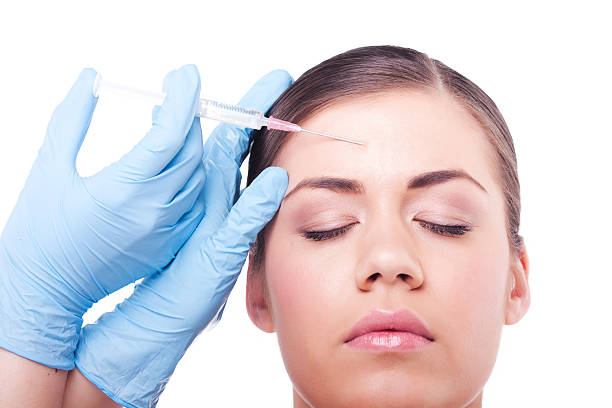

Botox is a popular non-surgical treatment for reducing expression-related wrinkles and maintaining a smoother facial appearance. Although the results can be noticeable for several months, they are temporary, which means patients may eventually consider another session to maintain their preferred appearance. Understanding the appropriate treatment interval is important for achieving consistent results while avoiding unnecessary injections. People considering Botox Injections in Riyadh (حقن البوتوكس في الرياض) should understand how long the effects typically last, which factors influence treatment frequency, and why a personalized maintenance schedule is important.
How Often Should You Get Botox Injections?
For cosmetic purposes, Botox treatments are commonly repeated approximately every three to four months. However, the ideal interval varies depending on the individual's muscle activity, treatment area, dosage, and response to previous sessions.
Some patients may notice that their results begin fading after a few months, while others maintain visible improvement for longer. A follow-up assessment helps determine when another session may be appropriate.
It is generally recommended to avoid repeating cosmetic Botox treatments more frequently than every three months unless a qualified healthcare professional identifies a specific clinical reason. Receiving injections too often does not necessarily improve results and may increase unnecessary exposure to the treatment.
Why Do Botox Results Need Maintenance?
Botox temporarily blocks nerve signals that activate selected muscles. When these muscles relax, expression-related wrinkles become less noticeable.
Over time, normal nerve communication gradually returns, allowing the muscles to regain movement. As facial expressions become more active, wrinkles may slowly reappear.
Maintenance treatments may help patients preserve their preferred level of wrinkle reduction. However, Botox does not permanently stop muscle activity or prevent the natural aging process.
What Factors Determine Your Botox Treatment Schedule?
The right treatment frequency is different for every patient. Several factors can influence how long the results last and when another session may be considered.
Individual Muscle Activity
People with stronger or more frequently used facial muscles may notice changes in their results differently from those with less muscle activity. Areas such as the forehead and between the eyebrows may respond differently depending on facial movement.
Treatment Area
Different facial regions have different muscle structures and movement patterns. For example, forehead lines, frown lines, and crow's feet may require different treatment approaches and maintenance considerations.
Dosage and Injection Technique
The amount of Botox used and the accuracy of injection placement can influence the outcome. The appropriate dosage depends on muscle strength, facial anatomy, and treatment goals.
A higher dose does not automatically mean longer-lasting or better results. A qualified practitioner should determine the appropriate amount for each treatment area.
Individual Response
People may metabolize and respond to botulinum toxin differently. Some notice that muscle movement returns relatively quickly, while others experience a longer period of wrinkle reduction.
Previous Treatment History
A patient's previous response to Botox can help guide future treatment planning. However, repeated sessions do not guarantee that results will last longer over time.
When Should You Schedule Your Next Botox Appointment?
Patients should not rely only on a calendar to decide when to receive another treatment. Instead, they should consider how much muscle activity has returned and whether their original concerns have become noticeable again.
A professional follow-up assessment can help determine whether another session is needed. If the treatment effect is still satisfactory, there may be no reason to repeat the injections immediately.
The goal is to maintain an appropriate balance between cosmetic improvement and natural facial movement.
Can Frequent Botox Injections Be Harmful?
Botox is generally well tolerated when administered appropriately, but unnecessary or excessively frequent treatments may increase the likelihood of complications.
Potential concerns include:
-
Temporary muscle weakness: Repeated treatment can affect the strength or size of targeted muscles over time.
-
Uneven facial movement: Poorly planned injections may affect the balance between different facial muscles.
-
Reduced treatment response: In uncommon cases, the development of neutralizing antibodies may reduce the effectiveness of botulinum toxin.
-
Injection-related reactions: Redness, swelling, bruising, tenderness, or headaches may occur after treatment.
Less commonly, complications such as eyelid drooping can develop. Rarely, toxin effects may spread beyond the injection area and cause serious symptoms, including difficulty swallowing, speaking, or breathing. These symptoms require immediate medical attention.
Following professional recommendations and allowing appropriate intervals between sessions can help reduce avoidable risks.
Does Waiting Longer Between Botox Sessions Affect Results?
Waiting longer than the usual maintenance interval does not generally cause harm or make Botox ineffective. As the treatment wears off, facial muscles gradually regain their normal activity, and expression lines may become more visible.
Patients who choose to wait can discuss another session when they feel their wrinkles have returned enough to justify treatment. There is no requirement to receive Botox continuously.
The decision should depend on personal preferences, medical suitability, and professional advice.
How Can You Maintain Your Botox Results Between Sessions?
Although no skincare routine can stop Botox from wearing off, healthy habits can support skin quality and help maintain an overall refreshed appearance.
-
Use sunscreen regularly: Sun protection helps reduce premature skin aging caused by ultraviolet exposure.
-
Follow a gentle skincare routine: Suitable cleansing and moisturizing products support healthy-looking skin.
-
Avoid smoking: Smoking can contribute to premature wrinkles and reduced skin quality.
-
Maintain healthy habits: Adequate sleep, balanced nutrition, and hydration support general skin health.
-
Follow aftercare guidance: Avoid rubbing or massaging treated areas for the period recommended by your practitioner.
-
Attend professional assessments: Regular reviews help determine whether another treatment session is appropriate.
These measures support skin health but do not guarantee longer-lasting Botox results.
Is a Personalized Botox Maintenance Plan Necessary?
A personalized plan helps ensure that treatment frequency, dosage, and injection locations are appropriate for each individual. During consultations, practitioners can review previous results, assess muscle movement, and discuss any side effects or changes in treatment goals.
Patients should also disclose new medications, medical conditions, allergies, or previous reactions before receiving additional injections. This information helps the practitioner evaluate whether continuing treatment is suitable.
Maintain Your Treatment Goals With Royal Clinic Saudia
Most cosmetic Botox treatments are repeated approximately every three to four months, but the appropriate schedule depends on individual results and facial muscle activity. Patients considering Botox Injections in Riyadh should avoid unnecessary frequent sessions and follow a maintenance plan based on professional assessment. Royal Clinic Saudia (عيادات رويال كلينك)an help patients understand treatment intervals, evaluate their cosmetic goals, and explore suitable options for maintaining a refreshed appearance while prioritizing safe and balanced results.

