

South Africa’s Pet Care Sector Balances Affordability with Growing Demand for Quality

South Africa’s pet care sector is evolving as pet ownership, urbanisation and changing attitudes towards animal well-being influence consumer choices. According to Vyansa Intelligence, the sector was valued at USD 520 million in 2025 and is projected to reach USD 800 million by 2032, representing a compound annual growth rate (CAGR) of 6.35% between 2026 and 2032. Pet food remains the largest category, while demand for health-oriented products and convenient purchasing channels is reshaping the wider industry.
Pet Food Remains the Core Product Category
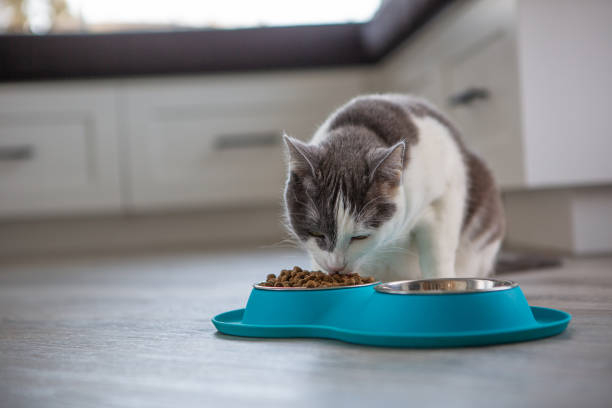
Pet food accounts for approximately 85% of South Africa’s pet care sector, making it the largest product category. The report identifies dog food as the leading segment, reflecting the country’s comparatively high number of dogs and the traditional role of dogs as household companions and guards. Economy dry dog food holds a significant position because many households prioritise affordable, practical feeding options.
The pet food category is expected to record volume growth, with a projected CAGR of around 3.39%. This indicates continued demand for everyday feeding products, even as consumer preferences gradually diversify. Dry food remains relevant because of its convenience and suitability for regular use, while the availability of different price points allows households with varying budgets to participate in the category.
The report also points to a gradual shift towards better-quality and health-oriented food. Some owners are increasingly willing to spend more on nutritious dog food, reflecting greater attention to pets’ health and well-being. The coexistence of economy and premium products is an important feature of the sector: demand for improved nutrition is developing alongside the continuing need for cost-conscious choices.
Urbanisation and Pet Humanisation Influence Spending
Urbanisation is identified as an important driver of pet care demand in South Africa. As more people move to urban areas, changing household structures and lifestyles are influencing the role of companion animals. Cats and dogs are increasingly regarded as part of the family, a development commonly described as pet humanisation.
This change in perception can influence the types of products owners consider. When pets are treated as family members, nutrition, hygiene and healthcare receive greater attention. The report associates this shift with interest in premium food, treats and healthcare services, particularly among urban consumers who have greater exposure to modern retail and specialised products.
However, higher expectations do not remove affordability constraints. South African consumers continue to seek value for money, including products that offer perceived health benefits without becoming prohibitively expensive. As a result, the sector is developing across multiple price levels rather than moving uniformly towards premium products.
Pet Health and Well-being Gain Attention
Interest in pet health is becoming more visible in purchasing decisions. The report describes consumers as increasingly attentive to nutritional quality and product claims, particularly when selecting dog food. This reflects a broader preference for products that are positioned around specific health and well-being benefits.
The wider product landscape extends beyond food to include veterinary diets, probiotics, supplements and tele-health services. Other categories include cat litter, grooming and hygiene products, veterinary clinics, pet insurance, boarding, day-care and training. These segments illustrate the range of products and services associated with companion-animal care.
The development of these categories suggests that pet care is not limited to feeding and basic accessories. Owners may also consider services and specialised products that address health, grooming and daily care requirements. Nevertheless, the report’s emphasis on value indicates that the accessibility and pricing of these offerings remain relevant to consumer adoption.
Supermarkets Maintain a Strong Retail Position
Retail offline accounts for approximately 70% of South Africa’s pet care sales channels. Supermarkets are particularly important because they combine everyday grocery shopping with access to pet food and other essential products. This one-stop shopping format offers convenience and can help consumers manage routine household purchases.
Pet shops and superstores also contribute to physical distribution through product variety and specialist knowledge. The report highlights retail developments involving Woolworths’ acquisition of Absolute Pets and Food Lover’s Market’s alliance with VetSmart. These examples demonstrate how general retailers and specialist pet businesses can become more closely connected.
Such developments point to competition over both convenience and expertise. Supermarkets can use their scale and established customer traffic, while specialist outlets can offer a more focused selection and guidance. The continued importance of physical retail reflects the value consumers place on accessible products and familiar shopping locations.
E-Commerce Adds Convenience and Wider Choice
Retail e-commerce is expected to be the fastest-growing sales channel in South Africa’s pet care sector. The report links this development to younger, digitally oriented consumers who value convenience and rapid delivery. Online pet shops and services such as Checkers Sixty60 are part of the changing distribution environment.
Regularly purchased products, particularly pet food, are suited to online replenishment. Digital platforms can also provide access to specialist brands and products that may not be available in every physical store. Subscription options and bundled offers may further support repeat purchasing by simplifying the process of restocking essential items.
The expansion of online retail does not mean that physical stores will lose their importance. Instead, the two channels serve different but overlapping needs. Supermarkets and pet shops continue to provide accessible in-person purchasing, while e-commerce offers convenience and broader product discovery. This combination is likely to remain an important feature of the retail landscape.
Competition Reflects Local Manufacturing and International Brands
More than 10 companies are active in South Africa’s pet care sector, with the five largest accounting for approximately 70% of the sector, according to the report. The leading companies identified include Hill’s Pet Nutrition Inc, Promeal (Pty) Ltd, Cube Route Pty Ltd, RCL Foods Ltd and Martin & Martin (Pty) Ltd.
The report highlights Martin & Martin’s local manufacturing presence and brands such as Bob Martin, Husky and Pamper. Domestic manufacturing supports price competitiveness and provides locally established product options. International and premium brands also participate in the sector, serving consumers with interest in higher-priced and specialised products.
Other companies named include Montego Pet Nutrition, Mars Africa, Afrique Pet Food, Gourmet Pet Industries and Marltons Pets & Products. The presence of local manufacturers alongside international businesses reflects a competitive environment shaped by brand recognition, product positioning and affordability.
Regulation and Product Registration
Pet food manufacturing, importing and selling in South Africa are subject to regulatory requirements. The South African Government explains that pet food products must be registered under the Fertilizers, Farm Feeds, Agricultural Remedies and Stock Remedies Act, 1947. Its registration guidance outlines the process, including laboratory analysis and product documentation.
Importers must also meet specific requirements. Government guidance states that importing pet food requires an import permit and a registration certificate from the Registrar under the relevant legislation. The import requirements provide details on documentation, product labelling and points of entry.
Looking Ahead
South Africa’s pet care sector is developing through the interaction of affordability, changing attitudes towards pets and growing interest in animal health. Pet food remains the central category, with economy dry dog food retaining an important role even as demand for more nutritious and specialised products increases.
Supermarkets continue to anchor distribution, while e-commerce is expanding the role of convenience and digital purchasing. Local manufacturing and international brands contribute to a competitive product landscape. The sector’s future development will depend on how businesses respond to consumers seeking accessible prices, reliable nutrition and a wider range of pet care products and services.

