

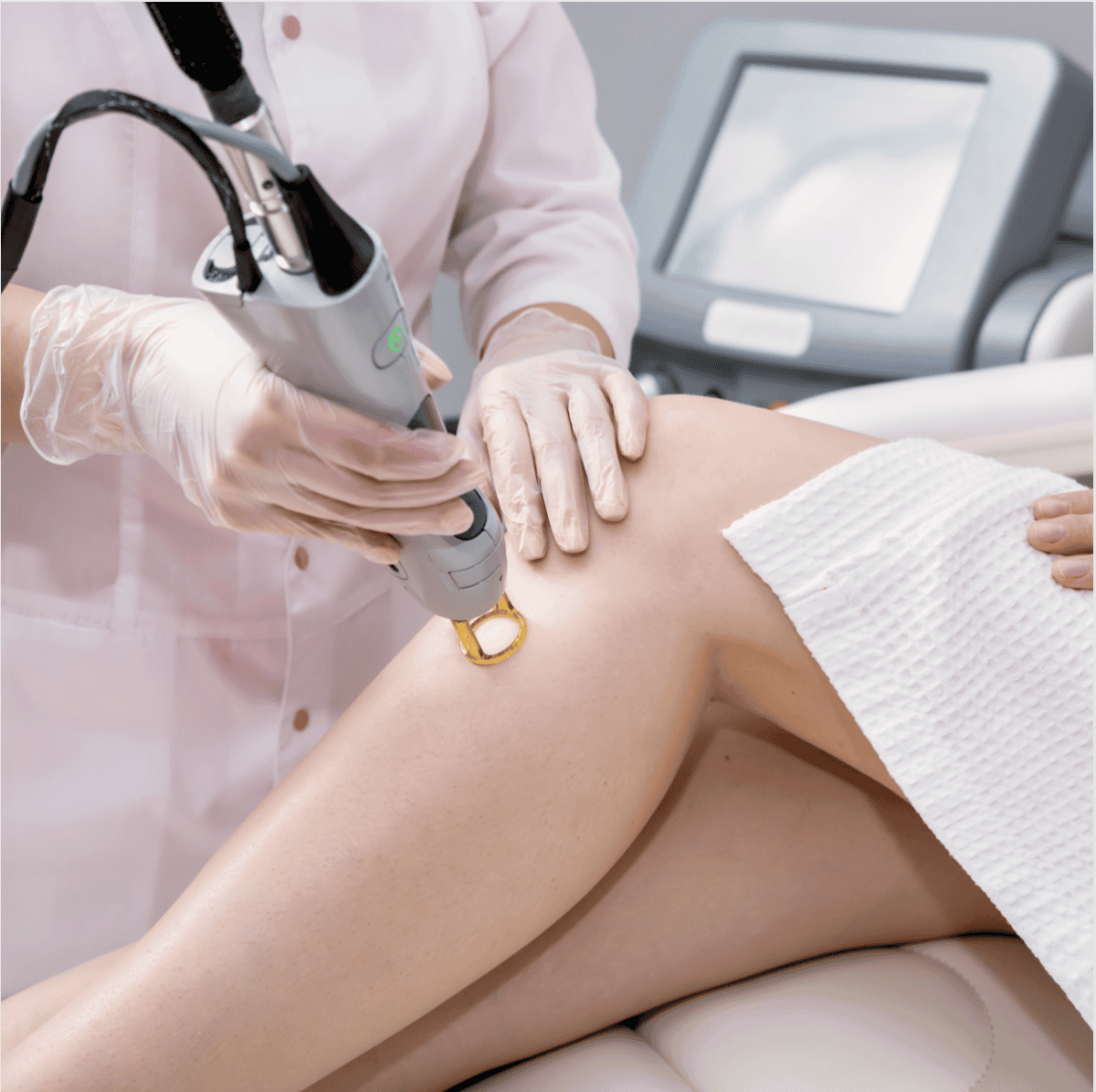

Laser hair removal is a popular cosmetic procedure for reducing unwanted hair, but it may not be suitable for everyone or every skin condition. Understanding when to delay or avoid treatment can help reduce the risk of irritation, burns, and pigmentation changes. For individuals exploring Laser Hair Removal in Al Barsha, information shared by Dynamic Clinic in Dubai can help explain the importance of suitability assessments and appropriate treatment precautions.
1. When the Skin Has an Active Infection
Laser hair removal should generally be avoided on areas affected by active skin infections. The laser produces controlled heat that targets hair follicles, and treating irritated or infected skin may increase discomfort and interfere with the skin's recovery.
Treatment should be postponed if the intended area has:
-
Bacterial or fungal infections
-
Active cold sores or herpes outbreaks
-
Open cuts or wounds
-
Inflamed rashes
-
Significant skin irritation
A qualified healthcare professional can assess the affected area and advise when treatment may be appropriate again.
2. During Severe Sun Exposure or Recent Tanning
Recent tanning is an important reason to delay laser hair removal. Exposure to sunlight increases melanin activity in the skin, which may cause the laser to interact with surrounding skin pigment instead of focusing mainly on the hair follicle.
This can increase the possibility of burns, blisters, and temporary or lasting pigmentation changes.
People living in Dubai should take particular care because strong sunlight can affect skin sensitivity throughout the year. Before treatment, individuals should:
-
Avoid intentional tanning.
-
Limit direct sun exposure on the treatment area.
-
Apply broad-spectrum sunscreen with SPF 30 or higher.
-
Inform the practitioner about recent sunburn or tanning.
Treatment should not proceed on sunburned skin until it has fully recovered and has been assessed.
3. When Taking Certain Medications
Some medications can make the skin more sensitive to light or increase the risk of irritation. These medicines may affect how the skin responds to laser energy.
Examples include certain antibiotics, photosensitising medications, and some topical acne treatments. Oral retinoids and other prescription medicines may also require special consideration.
Before a session, individuals should provide a complete medication history, including:
-
Prescription medicines
-
Over-the-counter treatments
-
Topical creams and serums
-
Herbal products and supplements
Medication-related precautions depend on the specific drug, dose, and individual circumstances. People should never stop prescribed medication without consulting their healthcare professional.
4. During Pregnancy
Laser hair removal is generally postponed during pregnancy because there is limited high-quality research establishing its safety for pregnant individuals and developing babies.
Although there is no established evidence that cosmetic hair-removal lasers cause pregnancy complications, elective procedures are usually delayed as a precaution.
Hormonal changes during pregnancy can also influence hair growth and skin pigmentation. These changes may affect treatment response and make results less predictable.
Discussing temporary hair-removal alternatives with a healthcare professional can help individuals choose an appropriate option during this period.
5. If There Is a History of Skin Pigmentation Problems
People who develop dark patches, uneven skin tone, or post-inflammatory hyperpigmentation may need additional assessment before laser hair removal.
Laser energy and skin inflammation can sometimes trigger pigment changes, particularly in individuals with darker skin tones or a history of pigmentation disorders.
This does not automatically mean that laser treatment is unsuitable. However, the following factors should be considered:
-
Previous reactions to laser procedures
-
History of melasma
-
Frequent post-inflammatory pigmentation
-
Naturally darker skin tones
-
Existing uneven skin colour
A practitioner may recommend a suitable laser type, adjusted energy settings, or a small test area to evaluate the skin's response.
6. When There Are Suspicious Moles or Unexplained Skin Changes
Areas containing unusual moles, changing skin lesions, or unexplained growths should be assessed before laser treatment.
Laser procedures should not be performed over suspicious lesions without appropriate medical evaluation. The heat and light exposure may alter their appearance, making future monitoring more difficult.
Individuals should seek medical advice if they notice a mole that changes in size, shape, or colour, or develops itching, bleeding, or irregular borders.
7. When Hair or Skin Conditions Affect Treatment Suitability
Certain hair and skin characteristics can influence how effectively laser hair removal works.
For example, the procedure mainly targets pigment within hair follicles. Very light blonde, white, grey, and red hair may respond poorly because these hair colours contain less of the pigment that conventional hair-removal lasers target.
Other conditions requiring individual assessment include:
-
Active eczema or psoriasis in the treatment area
-
Uncontrolled skin inflammation
-
A tendency to develop raised scars
-
Recent cosmetic procedures affecting the same area
-
Unexplained skin sensitivity
The treatment plan should account for the individual's skin condition, hair colour, hair thickness, and medical history.
8. Why a Suitability Assessment Matters
A proper assessment helps identify potential risks before laser hair removal begins. It also allows the practitioner to select appropriate equipment and settings for different skin and hair types.
An assessment may include:
-
Reviewing medical history and current medications.
-
Examining the skin for irritation, infections, or pigmentation concerns.
-
Checking hair colour, thickness, and growth patterns.
-
Discussing previous reactions to cosmetic treatments.
-
Performing a patch test when appropriate.
These steps help establish whether treatment can proceed safely or should be postponed.
Conclusion
Laser hair removal should be avoided or delayed when the skin has an active infection, recent sunburn, significant irritation, or other conditions that increase treatment risks. Pregnancy, certain medications, pigmentation concerns, and suspicious skin changes also require careful consideration. Understanding these precautions helps individuals make informed decisions, protect their skin, and determine whether laser hair removal is an appropriate option.

