

Olives: Healthy Eating, Mediterranean Cuisine, and Product Innovation Shape Global Demand

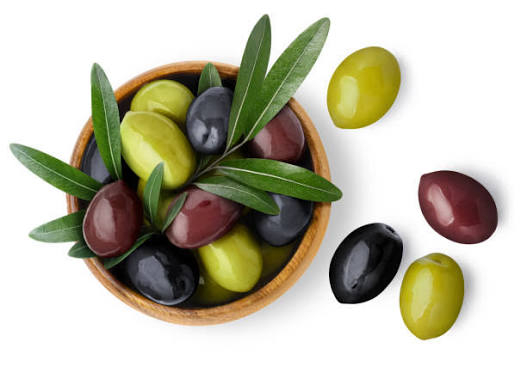
Olives are becoming increasingly integrated into diets worldwide as consumers explore Mediterranean cuisine, healthier eating patterns, plant-based foods, and convenient ingredients. Table olives are available in green and black varieties and can be sold as raw, canned, frozen, dried, pickled, stuffed, or marinated products.
A comprehensive Markntel Advisor' Global Olive industry assessment evaluates the sector by olive type, product, end user, sales channel, and region. The study covers green and black olives, households and foodservice, direct and indirect distribution, and major regional markets across Europe, North America, Asia-Pacific, South America, and the Middle East & Africa.
Green Olives Hold a Strong Position
Green olives represent the leading type in the Markntel Advisor assessment. Their versatility makes them suitable for Mediterranean salads, pasta, hummus, pizzas, sandwiches, appetizers, and other dishes.
Green olives can also be used in cocktails and other beverage applications. Their distinctive flavor and texture provide opportunities for manufacturers to offer different varieties, sizes, fillings, and preparation styles.
Mediterranean Cuisine Supports Consumption
The international popularity of Mediterranean cuisine is an important factor influencing olive consumption. Restaurants serving Italian, Spanish, Greek, and Mediterranean dishes frequently incorporate olives into salads, pasta, pizzas, tapas, meze, and appetizers.
The Markntel Advisor assessment identifies the expansion of Mediterranean restaurants in countries including the United States, UAE, and Singapore as a contributor to greater demand.
Foodservice Remains an Important End User
Foodservice represents the leading end-user segment in the Markntel Advisor assessment. Restaurants, hotels, caterers, cafés, and other hospitality businesses use olives across a wide range of dishes.
The expansion of tourism is also supporting foodservice activity in several regions. Hotels and restaurants catering to international visitors increasingly offer Mediterranean and international cuisines, creating additional opportunities for olive suppliers.
Quick-Service Restaurants Create Demand
The expansion of quick-service restaurant chains is another important demand driver. Olives are used in pizzas, sandwiches, wraps, pasta, salads, and other prepared foods commonly offered by QSRs.
As restaurant chains expand their geographic presence, ingredient suppliers can benefit from larger and more consistent procurement requirements.
Health Awareness Influences Purchasing
Olives contain unsaturated fats, fiber, and antioxidant compounds, making them relevant to consumers interested in balanced diets.
The International Olive Council's health resources notes that olives and olive oil contain bioactive compounds, including vitamin E, carotenoids, and phenolic compounds. It also highlights ongoing research into olive oil and areas such as cardiovascular health, diabetes, ageing, and the Mediterranean diet.
These nutritional characteristics can support olive consumption as part of diverse dietary patterns, although individual health effects depend on overall diet and consumption habits.
Low-Carbohydrate Diets Create Opportunities
The Markntel Advisor assessment identifies the growing popularity of low-carbohydrate and ketogenic diets as an opportunity for table olives.
Olives contain relatively low amounts of carbohydrates and can be incorporated into salads, snacks, meals, and other dietary preparations. Fitness enthusiasts and consumers following specific eating patterns may therefore represent additional target audiences.
Vegan Consumers Expand the Opportunity
Growing interest in vegan and plant-based diets is creating another opportunity for olives. As consumers reduce animal-derived foods, plant-based ingredients with healthy fats and distinctive flavors can become more relevant.
Olives can be incorporated into vegan salads, sandwiches, pasta, pizzas, dips, spreads, and appetizers, allowing manufacturers to position products toward plant-based consumers.
Organic Olives Gain Attention
Organic products are becoming increasingly relevant as consumers seek food perceived as more natural and responsibly produced.
Markntel Advisor identifies increasing consumer inclination toward organic olives, particularly in Europe and North America. Retailers are also expanding organic private-label offerings, creating opportunities for producers and processors to develop certified organic products.
Canned and Pickled Formats Improve Convenience
Processed formats such as canned and pickled olives provide convenient options for consumers and foodservice businesses.
These products can be stored and transported more easily than fresh olives and can be incorporated directly into meals. Manufacturers can differentiate through brining methods, flavors, fillings, packaging, and product sizes.
Stuffed and Marinated Products Add Value
Stuffed and marinated olives provide opportunities for premium positioning and product differentiation.
Manufacturers can use ingredients such as peppers, garlic, almonds, herbs, and other flavor components to create specialty products. These formats can appeal to consumers seeking convenient appetizers and premium meal ingredients.
Retail Channels Expand Accessibility
Hypermarkets and supermarkets are important indirect distribution channels because they provide consumers with extensive product choice.
Olives can be sold in jars, cans, pouches, tubs, and other formats, with retailers offering products across conventional, premium, organic, and specialty categories.
Convenience Stores Support Smaller Purchases
Convenience stores provide opportunities for smaller packaged olive products and ready-to-eat snacks.
Single-serving or small-format packages can appeal to consumers seeking convenient snacks, lunch additions, or ingredients for quick meals.
Online Stores Increase Product Variety
E-commerce is expanding consumer access to domestic and imported olive products. Online stores allow shoppers to compare varieties, origins, preparation styles, package sizes, and prices.
Digital platforms can be particularly useful for specialty, organic, gourmet, and imported olives that may have limited availability through conventional retail.
Europe Remains a Key Region
Europe holds a major position in the Markntel Advisor assessment because of strong cultural, culinary, and historical connections with olives.
Spain and Italy are particularly important consumer markets. Olives are commonly incorporated into tapas, meze, antipasti, salads, pasta, pizzas, and other traditional and modern dishes.
The International Olive Council's latest sector statistics reports that global table-olive consumption exceeded 3 million tonnes in the 2024/25 crop year, with consumption increasing in several major producing countries.
Asia-Pacific Offers Emerging Opportunities
Consumer awareness of Mediterranean foods is increasing across several Asia-Pacific countries. Markntel Advisor identifies countries including China, Japan, Singapore, and India as markets where table olives are becoming more integrated into everyday diets.
Urbanization, international restaurants, tourism, and changing food preferences can further support product adoption.
Climate Conditions Create Supply Challenges
Olive cultivation is concentrated in regions with suitable climatic conditions, particularly Mediterranean areas. Extreme heat, drought, water availability, and wildfires can influence agricultural productivity and supply.
These challenges can affect raw-olive availability and contribute to fluctuations in prices.
The International Olive Council reported that global olive-oil production reached 3.572 million tonnes in the 2024/25 crop year, while its 2025/26 estimate was lower at 3.440 million tonnes, illustrating the variability that can occur between crop years.
Product Innovation Supports Differentiation
Manufacturers can differentiate olive products through variety, size, color, flavor, preparation, packaging, and certifications.
Organic olives, stuffed varieties, flavored products, premium regional varieties, convenient snack packs, and innovative packaging can help companies target specific consumer segments.
Competitive Landscape
The competitive environment includes Olive Line International S.L, GARO-Aceituna Verde SL, FRUYPER SA, 2Brothers Company, EVGE Hellenic Food Company, GAIA Olives, Olives Escamilla, Eugene Brunel, Bell-Carter Foods, Agrosevilla, Sovena Group, La Salerosa, OliveOilsLand, Artem Oliva, and Aceitunas Guadalquivir, among others.
Competition is shaped by olive quality, variety, sourcing, processing, flavor, packaging, pricing, certifications, distribution networks, and brand reputation.
Conclusion
The global olive industry is being shaped by the international popularity of Mediterranean cuisine, health-conscious eating, plant-based diets, organic products, restaurant expansion, and convenient processed formats. Green olives remain particularly important, while canned, pickled, dried, stuffed, and marinated products provide opportunities for diversification.
Foodservice continues to represent an important end-user segment, while supermarkets, convenience stores, and online platforms expand consumer access. At the same time, climate-related agricultural challenges and supply variability remain important considerations for producers and processors.
Companies that combine reliable sourcing with organic offerings, convenient packaging, innovative flavors, and strong foodservice and retail distribution can strengthen their position as olives become increasingly integrated into global culinary and dietary preferences.

