

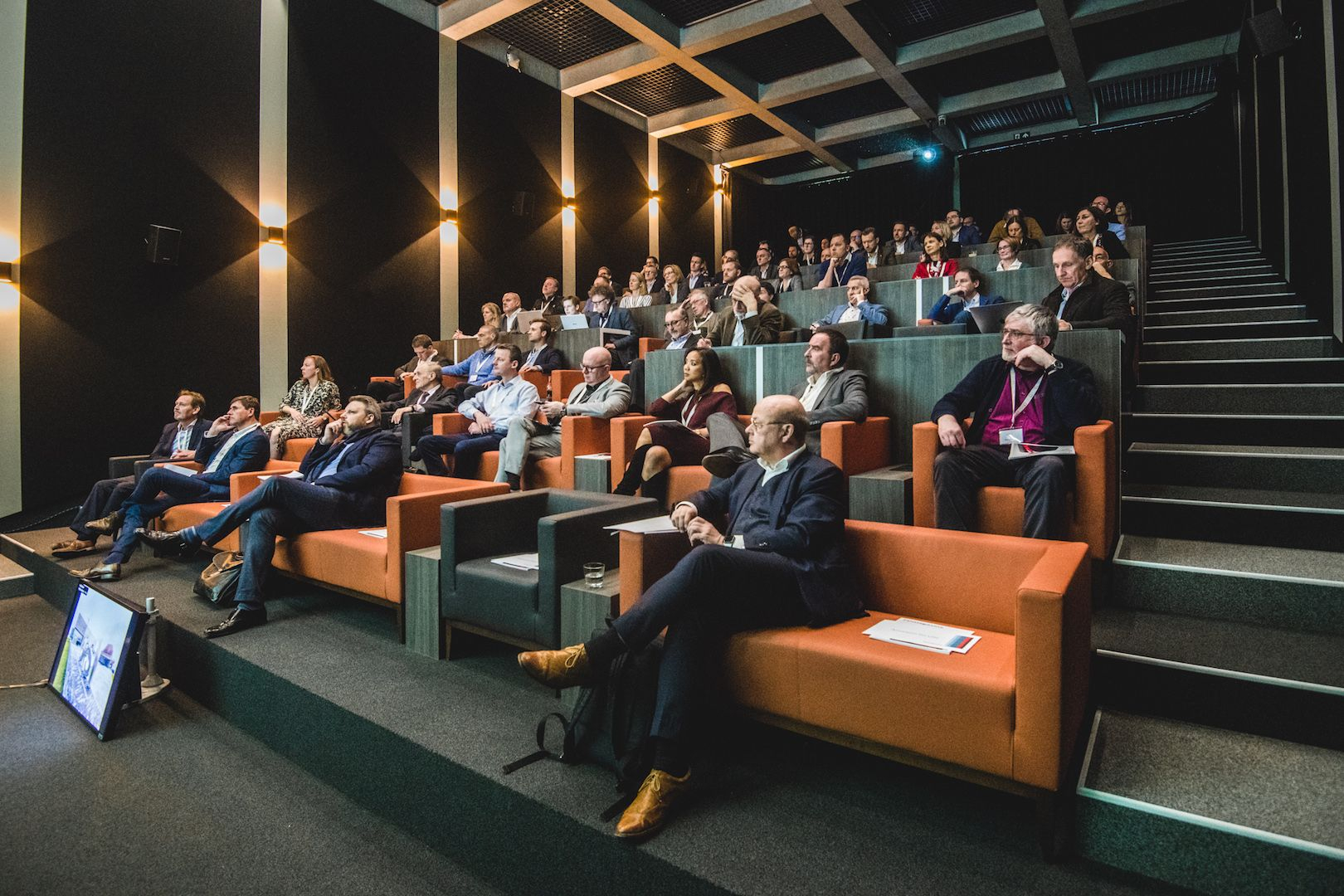

Group photography brings people together in one picture and preserves shared experiences. Families, friends, classmates, coworkers, sports teams, and community organizations often arrange group photographs for important occasions. These pictures help people remember the individuals who shared a particular moment or achievement.
A professional group photography service provides more than a simple arrangement of people in front of a camera. It requires careful planning, suitable lighting, clear communication, and an understanding of composition. The photographer must position everyone properly so that faces remain visible and the final image looks balanced.
Why Professional Group Photography Is Important?
Group photographs can become valuable personal and professional records. Families use them to preserve celebrations and reunions. Schools arrange them to document classes and graduation groups. Businesses use employee portraits to represent their teams.
A professional photographer helps make sure that everyone appears clearly in the picture. This can be difficult when a group includes many people of different heights or when the available space is limited.
Professional equipment also helps produce images that work well for printing and digital sharing. Proper focus and exposure keep details clear across the entire group.
Types of Group Photography Services
Group photography covers many situations. Each type requires a different arrangement, setting, and photographic approach.
Family group photography focuses on relationships and shared memories. Photographs may include parents, children, grandparents, relatives, and extended family members. The photographer can arrange formal portraits alongside relaxed pictures.
Corporate group photography focuses on employees, departments, management teams, and business partners. These images often require an organized appearance and consistent positioning.
School portrait photography includes class pictures, student clubs, sports teams, teachers, and graduating classes. Clear arrangements help schools maintain organized records.
Community organizations may also need photographs of volunteers, club members, performers, and event participants.
Planning a Successful Group Photography Session
Preparation plays a major role in group photography. The photographer should know the expected number of people, the location, the purpose of the picture, and the preferred style.
Large groups may need more space and a raised camera position. Smaller groups can often fit into a simple arrangement with fewer adjustments.
Clothing choices can also affect the final appearance. Matching outfits are not always necessary, but colors that work well together can create a more organized image.
The photographer should also allow enough time for everyone to arrive and get into position. A rushed session can lead to missed participants and repeated photographs.
Arranging People for Better Group Pictures
Group composition determines how people appear within the frame. The photographer may arrange participants in rows, curved formations, seated groups, or informal clusters.
Height differences can make a group photograph look unbalanced if everyone stands in one straight line. Placing taller people toward the back and shorter people toward the front often improves visibility.
For seated portraits, chairs and benches can help create different levels. The photographer should ensure that people do not block one another's faces.
The camera angle should also suit the group size. Wider framing may be necessary for large groups, while closer framing can create a more personal result for smaller groups.
Family Group Photography
Family group pictures preserve relationships across generations. A professional photographer can help families create portraits that include everyone while keeping the atmosphere relaxed.
Traditional family portraits often use organized arrangements with everyone looking toward the camera. Natural photographs can show family members talking, smiling, or interacting.
Outdoor locations such as parks and gardens can provide attractive backgrounds. Indoor sessions offer more control over lighting and weather conditions.
Families should consider which combinations they want before the session. Individual family units, grandparents with grandchildren, siblings, and the complete family can all be included.
Corporate and Employee Group Photography
Businesses often need group portraits for websites, company profiles, internal publications, and marketing materials. These photographs help introduce employees and show the people behind the organization.
Corporate group photography requires a professional setting and consistent appearance. The photographer may arrange employees outside an office, inside a conference room, or against a simple background.
Lighting should remain balanced across the entire group. This becomes especially important when the photograph includes many people standing at different distances from the camera.
Companies should also decide whether they need one complete team portrait or separate department photographs.
School and Sports Team Group Pictures
Schools and sports organizations use group photographs to document student participation and team achievements.
A sports team photograph may include players, coaches, and support staff. The arrangement should represent the team clearly while allowing everyone to appear in the frame.
School group portraits may include entire classes, clubs, music groups, and academic teams. The photographer should work with teachers or organizers to arrange students efficiently.
Team photographs can also include uniforms, equipment, and other details that represent the activity.
Indoor and Outdoor Group Photography
Indoor and outdoor locations offer different benefits. Indoor photography provides greater control over the background and lighting. It can work well for business portraits, formal family pictures, and school groups.
Outdoor photography offers natural surroundings and more room for large groups. Parks, gardens, school grounds, and open event spaces can create attractive backgrounds.
Weather and sunlight should influence outdoor scheduling. Strong sunlight may cause squinting and harsh shadows. Shaded areas or suitable shooting times can help create more balanced photographs.
Lighting and Equipment for Large Groups
Lighting a large group requires careful attention. The photographer must make sure that people in the front and back rows receive suitable light.
Professional cameras and lenses help manage different group sizes. A suitable lens allows the photographer to frame everyone without placing the camera too close or too far away.
The photographer should also check focus and exposure before taking the final picture. Reviewing a test photograph can help identify hidden faces, closed eyes, and other problems.
Tips for Preparing for a Group Photography Session
Participants can make the session easier by arriving on time and following the photographer's instructions. Simple preparation helps reduce delays.
A few practical steps can improve the experience:
-
Confirm the number of participants, choose suitable clothing, and arrive at the location on time.
-
Follow the photographer's arrangement instructions and keep faces visible during the session.
Organizers should also confirm the final image format and delivery method. This ensures that the photographs meet their intended use.
Choosing a Professional Group Photographer
The right photographer should have experience handling different group sizes and settings. A portfolio can show how well the photographer manages composition, lighting, and facial visibility.
Communication is important when arranging a large session. The photographer should explain the expected timing, space requirements, pricing, and delivery arrangements.
Customers should also ask about edited images, printing options, and permission to use photographs online. These details help avoid confusion after the session.
Editing and Sharing Group Photographs
After the session, the photographer reviews the photographs and selects suitable images. Editing may include color correction, exposure adjustments, cropping, and minor improvements.
The photographer should maintain a natural appearance. Excessive editing can make people look different from how they appeared during the session.
Digital galleries make sharing easier for families, businesses, schools, and organizations. High-resolution files also allow customers to create larger prints when needed.
Conclusion
A professional group photography service helps families, schools, businesses, and organizations preserve shared experiences. Proper planning, balanced arrangements, suitable lighting, and clear communication all contribute to better photographs. Whether the group includes a few relatives or an entire organization, professional photography helps everyone appear clearly in the final image. FotoCross Photography is the best company for group photography services in Cicero, IN and its surrounding areas. The company provides photography services for different group sizes and occasions.
Frequently Asked Questions
1. What types of group photographs can a professional photographer take?
A professional photographer can capture family portraits, corporate teams, school classes, sports teams, friend groups, and community organizations.
2. How many people can be included in a group photograph?
The number depends on the available space, camera equipment, and arrangement. Professional photographers can plan suitable compositions for both small and large groups.
3. What should people wear for group pictures?
People should choose clean, coordinated clothing that suits the occasion. Similar colors can create a consistent appearance without requiring identical outfits.
4. Are outdoor locations suitable for group photography?
Yes. Parks, gardens, and open spaces provide room for larger groups and attractive backgrounds. The photographer should consider sunlight and weather conditions.
5. How long does a group photography session take?
The duration depends on group size, the number of requested poses, and the location. Larger groups may need additional time for arrangement and repeated photographs.

