

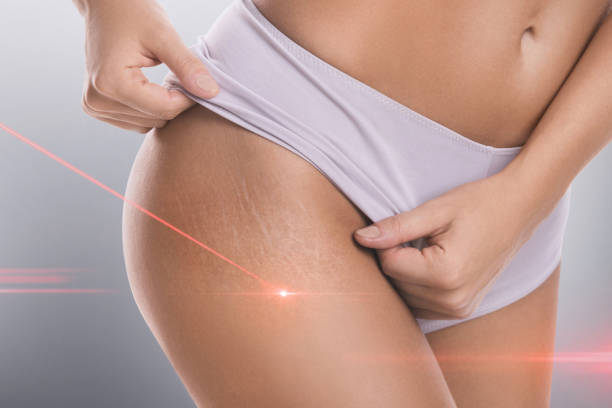
Stretch marks are common skin changes that can develop when the skin stretches or shrinks rapidly, causing the collagen and elastin fibers beneath its surface to change. They may appear during pregnancy, puberty, significant weight changes, or periods of muscle growth. Although stretch marks are harmless, some people prefer to reduce their appearance for smoother-looking skin. Stretch Mark Removal in Riyadh (ليزر علامات التمدد) includes different treatment options designed to improve the appearance, texture, and visibility of these marks. Understanding what causes stretch marks, how treatments work, and what results to expect can help beginners make informed skincare decisions.
What Are Stretch Marks?
Stretch marks, medically known as striae, are narrow lines or streaks that develop when the skin undergoes rapid stretching or shrinking. These changes can affect the structural fibers responsible for maintaining skin strength and elasticity.
Initially, stretch marks may appear red, pink, purple, or dark brown, depending on the person's skin tone and how recently they developed. Over time, they often become lighter and may look white, silver, or slightly depressed compared with the surrounding skin.
They commonly develop on areas such as:
-
Abdomen and stomach.
-
Thighs and hips.
-
Buttocks and lower back.
-
Breasts and chest.
-
Upper arms and shoulders.
Stretch marks can affect people of different ages and skin types. Their appearance and severity vary depending on individual skin characteristics and contributing factors.
What Causes Stretch Marks to Develop?
Stretch marks form when the skin changes more quickly than its supporting structures can adapt. Several factors can contribute to their development.
Pregnancy
During pregnancy, the abdomen expands as the baby grows. Hormonal changes can also influence skin elasticity, increasing the likelihood of stretch marks around the stomach, breasts, hips, and thighs.
Rapid Weight Changes
Significant weight gain or loss can change the skin's shape and create tension within its supporting fibers. These changes may contribute to the development or visibility of stretch marks.
Puberty and Growth Spurts
During adolescence, rapid physical development can cause the skin to stretch quickly. Stretch marks may appear on the thighs, hips, breasts, back, or shoulders during this period.
Muscle Growth
People who experience rapid muscle development through bodybuilding or intensive strength training may notice stretch marks around the shoulders, arms, chest, and thighs.
Hormonal and Genetic Factors
Hormonal changes and inherited skin characteristics can influence the likelihood of developing stretch marks. Certain medical conditions and prolonged use of corticosteroid medications may also contribute to their formation.
What Is Stretch Mark Removal?
Stretch mark removal refers to treatments that aim to reduce the visibility of stretch marks and improve the surrounding skin's appearance. Complete removal is not always possible, but suitable procedures may help make the marks less noticeable.
Treatment options vary depending on whether the stretch marks are new or mature, their location, skin type, and individual goals. Some approaches focus on supporting collagen production, while others aim to improve skin texture or pigmentation.
Different Treatment Options for Stretch Marks
Several professional treatments may be considered for improving stretch marks. The most appropriate option depends on the condition of the skin and the characteristics of the marks.
Laser Treatments
Laser procedures use controlled light or heat energy to target specific skin structures. Depending on the laser type, treatment may encourage collagen remodeling, improve texture, or address color differences. Different laser technologies are used for different types of stretch marks, so professional assessment is important.
Microneedling
Microneedling uses fine needles to create controlled micro-injuries in the skin. This process stimulates the body's natural healing response and supports collagen and elastin production. Over multiple sessions, it may improve the texture and appearance of certain stretch marks.
Radiofrequency Treatments
Radiofrequency technology delivers controlled heat into deeper skin layers. It may stimulate collagen remodeling and support improvements in skin texture and firmness. Some treatment systems combine radiofrequency with microneedling for targeted skin rejuvenation.
Topical Creams and Skincare Products
Certain topical products may help improve skin hydration and appearance. Ingredients such as retinoids may offer benefits for some early stretch marks, but they are not suitable for everyone. Retinoids should generally be avoided during pregnancy, and medical advice is recommended before using them while breastfeeding.
Are New Stretch Marks Easier to Treat Than Older Ones?
The age and appearance of stretch marks can influence treatment selection and response. Newer stretch marks often appear red, pink, or purple because of changes in the underlying skin and blood vessels. Some treatments may be more effective during this stage.
Older stretch marks generally appear white or silver and may have a different texture from surrounding skin. They can be more challenging to improve because the affected tissue has undergone longer-term changes.
However, older marks can still respond to treatments designed to support collagen remodeling and improve skin texture. Results vary, and complete removal should not be expected.
What Are the Benefits of Stretch Mark Treatment?
Professional treatments may offer several improvements for people concerned about visible stretch marks.
-
Improved skin texture: Certain procedures may help smooth uneven or depressed areas.
-
Reduced visibility: Treatments can make stretch marks less noticeable.
-
Collagen support: Some procedures stimulate natural collagen production.
-
More even appearance: Selected treatments may help improve differences in skin color.
-
Personalized care: Treatment options can be adjusted according to skin type and the age of the stretch marks.
The degree of improvement depends on the selected procedure, skin characteristics, and consistency of treatment.
Is Stretch Mark Removal Suitable for Everyone?
Not every treatment is appropriate for every person. A professional consultation helps determine whether a particular procedure is suitable based on skin type, medical history, pregnancy status, medication use, and the condition of the affected area.
Patients should discuss previous skin reactions, active infections, scarring tendencies, and any ongoing medical conditions before treatment. A qualified practitioner can explain potential side effects, expected recovery, and realistic results.
How Can You Support Healthier Skin?
Although stretch marks cannot always be prevented, maintaining healthy skin habits may support overall skin condition. Regular moisturizing can help reduce dryness and improve skin comfort. Staying hydrated, maintaining a balanced diet, and avoiding rapid weight fluctuations when possible may also support general skin health.
It is important to understand that creams and lifestyle changes cannot reliably prevent or eliminate stretch marks. Professional treatment may be considered when someone wants to improve their appearance.
Explore Stretch Mark Treatment at Royal Clinic Saudia
Understanding the causes of stretch marks and available treatment options is the first step toward choosing an appropriate approach. If you are considering Stretch Mark Removal in Riyadh, a professional consultation can help identify suitable procedures based on your skin condition, treatment goals, and medical history. At Royal Clinic Saudia (عيادات رويال كلينك), patients can discuss their concerns, explore available skin treatments, and receive personalized guidance on treatment planning and aftercare. With realistic expectations and appropriate professional care, Stretch Mark Removal in Riyadh may help improve the appearance and texture of stretch-marked skin.

