

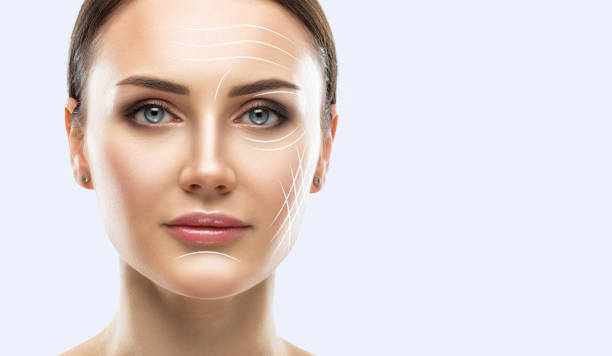
Deep nasolabial folds are a common facial aging concern that can make the face appear older or more tired. These lines extend from the sides of the nose toward the corners of the mouth and may become more noticeable as facial tissues lose support and gradually move downward. Facelift surgery in Riyadh (شد الوجه في الرياض) may help soften the appearance of certain deep folds by repositioning underlying facial tissues and improving surrounding contours. Understanding how the procedure works, what results are possible, and what recovery involves can help patients make informed decisions about facial rejuvenation.
What Are Nasolabial Folds?
Nasolabial folds are natural creases that run between the nose and the corners of the mouth. Everyone has these folds to some degree, but their depth and visibility vary depending on facial anatomy, skin quality, and age.
With time, changes in collagen production, skin elasticity, and facial fat distribution can make these lines appear deeper. The descent of cheek tissues may also contribute to more prominent folds by changing the support around the midface.
Although nasolabial folds are a normal part of facial structure, some people seek treatment when they become more noticeable or affect their desired facial appearance.
Why Do Nasolabial Folds Become Deeper?
Several factors can contribute to the development of deeper folds around the mouth.
-
Natural aging: Skin gradually loses elasticity and firmness, making facial creases more noticeable.
-
Collagen reduction: Lower collagen production can reduce the skin's structural support.
-
Cheek tissue descent: Downward movement of facial tissues can increase the prominence of folds.
-
Facial volume changes: Loss or redistribution of fat may affect the support and shape of the midface.
-
Genetics: Inherited facial structure can influence the natural depth of these creases.
-
Sun exposure: Long-term ultraviolet exposure can contribute to premature skin aging.
The underlying cause matters because not every nasolabial fold responds to the same treatment.
How Does Facelift Surgery Help Improve Nasolabial Folds?
A facelift focuses on correcting certain signs of facial aging by repositioning deeper tissues and addressing excess skin. When nasolabial folds are associated with sagging cheeks and tissue descent, improving the position of the surrounding structures may soften their appearance.
The surgeon evaluates the midface and lower face to determine which technique may provide suitable improvement. A facelift does not directly erase every crease, and its effect on nasolabial folds varies depending on their depth and cause.
During a consultation for Facelift surgery in Riyadh, the surgeon can assess whether tissue repositioning is likely to address your concerns or whether another treatment may be more appropriate.
What Happens During the Procedure?
The surgical approach depends on facial anatomy, the degree of tissue sagging, and the areas requiring correction. In general, facelift surgery involves several stages.
Preoperative Assessment
Before surgery, the surgeon reviews your medical history, examines your facial structure, and discusses your expectations. The assessment helps identify whether a facelift is appropriate and which areas may benefit from treatment.
Anesthesia and Incision Placement
The procedure is commonly performed under general anesthesia, although the anesthesia plan depends on the surgical technique and individual circumstances. Incisions are usually placed around the ears and may extend into the hairline or behind the ears.
Repositioning Facial Tissues
The surgeon accesses the underlying supporting structures and repositions selected tissues to improve facial contours. This may help reduce the appearance of folds associated with cheek descent.
Adjusting Excess Skin
After repositioning the deeper tissues, the surgeon carefully redrapes the skin and removes or adjusts excess skin where necessary. The incisions are then closed using appropriate sutures or closure techniques.
The objective is to improve facial balance without creating excessive skin tension or an unnatural appearance.
What Benefits Can Patients Expect?
For suitable patients, a facelift may provide several improvements when deep nasolabial folds are associated with facial sagging.
Softer Appearance of Deep Folds
Repositioning the surrounding tissues may reduce the prominence of certain folds. However, the degree of improvement varies, and deep creases may remain partially visible.
Improved Midface Contours
Addressing descended cheek tissues may create a more elevated and balanced appearance in the midface.
Better Lower-Face Definition
A facelift may also improve jowls and loose skin around the jawline, depending on the surgical technique.
Refreshed Facial Appearance
Improved tissue positioning may help the face appear less tired while preserving natural facial characteristics.
Can a Facelift Completely Remove Nasolabial Folds?
A facelift should not be considered a guaranteed way to eliminate nasolabial folds. These creases are influenced by several factors, including facial anatomy, skin quality, volume distribution, and repeated facial movement.
If the folds are primarily caused by volume loss rather than tissue descent, a facelift alone may not provide the desired improvement. In selected cases, a surgeon may discuss complementary options such as dermal fillers or other facial rejuvenation treatments.
The appropriate approach depends on a detailed assessment rather than choosing a treatment based only on the appearance of the lines.
What Is the Recovery Process Like?
After surgery, swelling, bruising, tightness, and temporary changes in skin sensation are common. These effects generally improve over time, but the recovery period varies according to the extent of surgery and individual healing.
Patients should follow instructions about wound care, medication, sleeping position, and activity restrictions. Strenuous exercise and heavy lifting should be avoided until the surgeon confirms that normal activities can safely resume.
Follow-up appointments allow the medical team to monitor healing and address any concerns. Sudden swelling, severe pain, persistent bleeding, fever, or unusual skin changes should be reported promptly.
Who May Be a Suitable Candidate?
Adults with noticeable cheek sagging and deep folds associated with tissue descent may be considered for facelift surgery. Suitability depends on general health, skin condition, facial anatomy, and realistic expectations.
People whose folds are mainly related to volume loss or surface-level skin changes may benefit from a different treatment approach. A qualified surgeon can explain the available options and their limitations.
Discuss Your Facial Rejuvenation Goals at Royal Clinic Saudia
Deep nasolabial folds can develop for different reasons, so choosing an appropriate treatment requires an individualized assessment. If you are considering Facelift surgery in Riyadh, a consultation can help determine whether repositioning facial tissues may improve your concerns and what results are realistic. At Royal Clinic Saudia (عيادات رويال كلينك), patients can discuss their facial goals, explore suitable treatment approaches, and understand the potential benefits and recovery requirements. Learning more about Facelift surgery in Riyadh can help you make an informed decision about facial rejuvenation.

