


How Urban Rail Expansion Is Fueling the Platform Screen Door System Market Through 2035
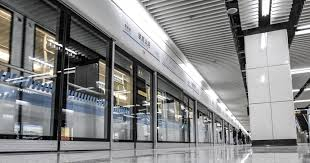
The relentless migration of populations toward mega-cities is putting an unprecedented strain on existing rapid transit hubs, forcing operators to maximize throughput without compromising safety. When thousands of commuters crowd onto a single platform during peak rush hours, the risk of accidental falls increases exponentially, creating a chaotic environment that slows down train boarding times. By installing a solid physical barrier along the platform edge, transit authorities can effectively manage crowd psychological dynamics, allowing passengers to line up confidently and close to the edge without fear. This structural predictability directly accelerates the dwell time—the precise duration a train remains stopped at a station—allowing more trains to run per hour across the entire transit line. Exploring the underlying drivers behind this rapid adoption reveals that the Platform Screen Door System Market Growth is intrinsically tied to global initiatives aimed at optimizing urban mobility and expanding the capacity of existing rail corridors.
Beyond merely keeping passengers safe from moving trains, these systems act as a vital line of defense against the intense piston effect—the massive blast of air pushed ahead by a train traveling rapidly through a tight tunnel. Without a barrier, this air pressure kicks up blinding dust, fine particulate matter, and heavy debris directly into the faces of waiting passengers, degrading indoor air quality and creating a less pleasant commuting experience. By containing this turbulent airflow within the tunnel network, stations remain cleaner, quieter, and significantly more comfortable, encouraging higher ridership rates among the public. As city planners look to build sustainable, low-emission urban centers, maximizing the appeal and efficiency of public subways remains a cornerstone of their long-term environmental strategies.
What is the "piston effect" in subways, and how do screen doors mitigate its impact? The piston effect occurs when a moving train pushes a column of air ahead of it inside a confined tunnel, creating high pressure in front of the train and low pressure behind it. When the train enters a station, this compressed air rushes onto the passenger platform, creating strong, disruptive wind gusts that stir up dust and debris. Full-height screen doors act as a solid pressure barrier, trapping this high-velocity airflow within the tunnel system and redirecting it through ventilation shafts, keeping the passenger environment calm and clean.
How do platform screen doors help optimize train dwell times during peak hours? Dwell time is minimized because the physical barrier eliminates the psychological anxiety of standing near a moving train, allowing passengers to organize themselves orderly at clearly marked boarding points before the train even arrives. When the doors open, the clear separation of incoming and outgoing paths prevents chaotic crowding at the train doors. This structured, predictable flow allows passengers to board and alight much faster, shaving off valuable seconds per station and enabling higher train frequencies across the entire line.
➤➤➤Explore MRFR’s Related Ongoing Coverage In Semiconductor Industry:
Lab Automation In Genomic Market
Language Translation Device Market
Letter Of Credit Confirmation Market
Level Measuring Equipment Market
Categories
- Artificial Intelligence (AI)
- Technology
- Business
- Education
- Science
- Lifestyle
- Healthcare
- Entertainment
- Politics
- Environment
- Travel
- Finance
- Automobile
- News
- Art
- Causes
- Crafts
- career
- Dance
- Drinks
- Film
- Fitness
- Food
- Games
- Gardening
- Health
- Home
- Literature
- Music
- Networking
- Other
- Party
- Religion
- Shopping
- Sports
- Theater
- Wellness
Read More
The Spinal Implants Market is on the cusp of significant transformation, driven by the dual forces of technological advancement and rising patient demand. This is evident as the market size is projected to reach USD 14.81 billion by 2035, advancing from USD 8.41 billion in 2024. With a compound annual growth rate (CAGR) of 4.7%, the market showcases robust growth dynamics fueled by innovations...

A Brazilian Butt Lift can reshape the buttocks while improving the contours of selected areas of the body, making it an option for people who want a more balanced silhouette. If you are considering Brazilian Butt Lift (BBL) in Riyadh, understanding the requirements for candidacy can help you determine whether the procedure may be appropriate for your goals. A BBL is not simply about...

The automotive robotics sector plays a significant role in supporting modern vehicle production by providing automated solutions for welding, painting, assembly, and quality inspection across manufacturing lines. Manufacturers are increasingly incorporating AI-driven vision systems and collaborative robotics that improve flexibility and precision. The growing shift toward electric vehicle...
El éxito y la satisfacción en el entretenimiento digital no dependen exclusivamente de la suerte, sino de una toma de decisiones informada y estratégica. A medida que el ecosistema del online casino se expande con opciones cada vez más sofisticadas, resulta fundamental que los entusiastas adopten una metodología analítica para evaluar operadores,...

Lip augmentation has become one of the most sought-after cosmetic procedures for individuals looking to enhance their facial features subtly yet effectively. By using advanced techniques and high-quality dermal fillers, lip augmentation helps create fuller, well-defined lips while maintaining a natural look. Whether someone desires a gentle enhancement or a more noticeable definition, this...

