

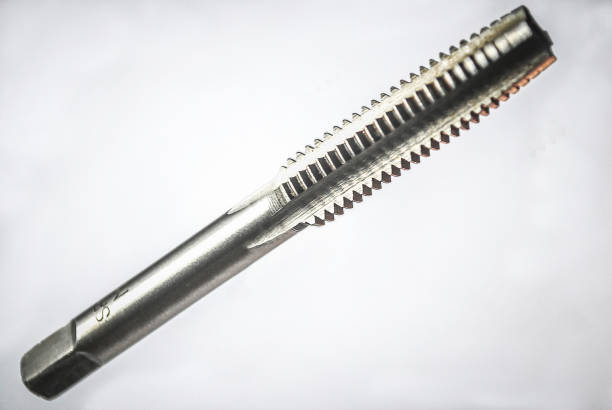

Choosing the correct threading tool is essential for manufacturers who need accurate, durable, and consistent internal threads. In industrial applications, thread quality directly affects component compatibility, mechanical performance, and assembly reliability. Selecting an unsuitable tool can lead to dimensional errors, damaged threads, increased production costs, and unnecessary downtime.
An Acme threading system is commonly used in lead screws, machine tools, lifting equipment, and mechanical power transmission applications. Its trapezoidal thread profile supports controlled linear movement and efficient load transfer. However, selecting the right tool requires careful attention to several technical and practical considerations.
Whether you manage a manufacturing facility or work in precision engineering, understanding these eight factors can help you make a more informed selection.
1. Understand the Required Thread Specifications
Thread specifications should be the first consideration when selecting a threading tool. Acme threads have a distinctive trapezoidal profile with a 29-degree included angle under the standard Acme system. This geometry makes them suitable for applications involving movement, positioning, and mechanical force transmission.
Before selecting an Acme Tap, identify the required nominal diameter, thread pitch, thread direction, and tolerance class. These details should match the engineering drawing and the mating component.
Incorrect specifications can cause fitting difficulties, excessive backlash, or poor engagement. Checking dimensions carefully before purchasing helps prevent machining errors and ensures that the finished component meets its intended requirements.
2. Select the Appropriate Tool Material
Material quality plays an important role in cutting performance and service life. High-speed steel is commonly used for industrial threading tools because it offers a useful combination of hardness, toughness, and heat resistance.
HSS-E is another option for applications involving demanding cutting conditions. The appropriate material depends on the workpiece, machining speed, production volume, and expected tool life.
For example, machining softer materials may require different cutting characteristics from working with harder metals. Manufacturers should review the available material specifications and select a tool that suits their actual production requirements.
3. Check Hardness and Heat Treatment
Hardness affects how well a cutting tool maintains its shape during repeated machining operations. During threading, the cutting edges experience friction, heat, and mechanical pressure. A properly heat-treated tool can maintain its cutting performance and resist premature wear.
However, hardness should be balanced with toughness. A tool that is excessively brittle may become vulnerable to chipping or breakage under unsuitable operating conditions.
Ask about the manufacturing process, heat treatment, and relevant material properties when comparing products. These details help manufacturers evaluate durability and make better decisions about long-term production costs.
4. Consider Flute Design and Chip Removal
Flute design influences how chips move away from the cutting area during threading. If chips accumulate inside a hole, they can increase cutting resistance, damage thread surfaces, and create unnecessary pressure on the tool.
Different flute configurations are suitable for different machining conditions. Straight flutes are commonly used for certain general-purpose operations, while spiral designs can assist chip evacuation in suitable applications.
The choice depends on workpiece material, hole depth, and whether the operation involves a blind hole or through hole. Proper chip removal supports smoother machining, cleaner threads, and more predictable tool performance.
5. Evaluate Tap Style and Threading Application
Different manufacturing operations require different tapping configurations. Taper, plug, and bottoming styles are designed to address particular threading requirements.
Taper styles have a gradual cutting lead that helps initiate threads. Plug styles are commonly used for general threading operations, while bottoming styles are useful when threads need to extend closer to the bottom of a blind hole.
An Acme Thread Tap should be selected according to the required thread depth, hole configuration, and available machining access. Choosing the correct style can improve process control and reduce unnecessary tool stress.
6. Verify Thread Direction and Class of Fit
Thread direction is another important specification. Right-hand threads are widely used in industrial assemblies, but certain mechanical applications require left-hand threads. The selected tool must match the design of the mating component.
Class of fit also determines how closely two threaded components engage. Different applications require different clearance and backlash characteristics. Selecting an unsuitable fit can affect assembly accuracy and mechanical movement.
Before confirming specifications, check the engineering drawing and verify the required thread class. Gaugestools provides product information covering different thread configurations, including right-hand and left-hand options, helping customers identify suitable specifications.
7. Review Surface Finish and Coating Options
Surface finish can influence friction, cutting behavior, and resistance to wear. A properly finished tool helps maintain consistent contact between the cutting edges and the workpiece.
Some industrial threading tools are available with specialized coatings, including TiN, TiCN, CrN, and TiAlN. These coatings may provide benefits under particular machining conditions, depending on the workpiece material and cutting environment.
However, coatings should not be selected without considering the actual application. Workpiece hardness, operating speed, lubrication, and production volume all influence suitability.
An Acme Thread Tap with an appropriate finish and coating can support consistent machining when correctly matched to operating conditions.
8. Choose a Reliable Supplier
Supplier experience is an important part of the selection process. Manufacturers need accurate product information, dependable communication, and technical assistance when dealing with specific thread requirements.
A knowledgeable supplier should be able to explain available dimensions, material options, thread classes, and manufacturing configurations. Product documentation and responsive support can also make procurement easier, particularly for customized industrial applications.
Gaugestools supplies thread gauges, tapping products, and precision inspection solutions for manufacturers and engineering businesses. Its product information helps customers compare available specifications and identify suitable threading options.
When evaluating suppliers, consider product quality, technical knowledge, availability, documentation, and communication. Building a relationship with a dependable supplier can support consistent sourcing and long-term manufacturing requirements.
Conclusion
Choosing the right threading tool requires a clear understanding of the application and its technical requirements. Thread specifications, material quality, heat treatment, flute design, tap style, thread direction, surface finish, and supplier reliability all influence the final decision.
Manufacturers should compare these eight factors before selecting a product. Reviewing engineering drawings and confirming dimensions can help prevent costly mistakes while supporting accurate and consistent thread production.
Gaugestools offers industrial threading and inspection solutions for businesses seeking dependable manufacturing support. Contact its team with your required specifications to discuss suitable product options for your application.
Frequently Asked Questions (FAQ)
1. What is an Acme threading tool used for?
It is used to produce internal trapezoidal threads for lead screws, lifting mechanisms, machine tools, and other power transmission applications.
2. Which material is commonly used for industrial tapping tools?
High-speed steel is widely used because it provides hardness, toughness, and useful resistance to heat and wear.
3. Why is flute design important?
Flute design helps remove chips during machining, reducing cutting resistance and supporting better thread quality.
4. What is the difference between taper and bottoming styles?
Taper styles help start threads gradually, while bottoming styles are designed to produce threads closer to the bottom of blind holes.
5. What information should buyers confirm before selecting a tool?
They should verify diameter, pitch, thread direction, class of fit, workpiece material, hole type, and required thread depth.

