


Understanding Commercial Building Maintenance
Commercial buildings depend on properly functioning electrical systems, safe structural components, and well-maintained facilities. From offices and retail spaces to warehouses and professional establishments, every property requires regular attention to remain safe and functional. Small maintenance problems can become expensive when they are ignored or left unresolved. Regular inspections help property owners understand the condition of their buildings and identify areas that may need repairs or improvements. Taking a proactive approach also makes it easier to plan maintenance expenses, reduce unexpected disruptions, and protect the long-term value of a commercial investment.
Recognizing Electrical Safety Concerns
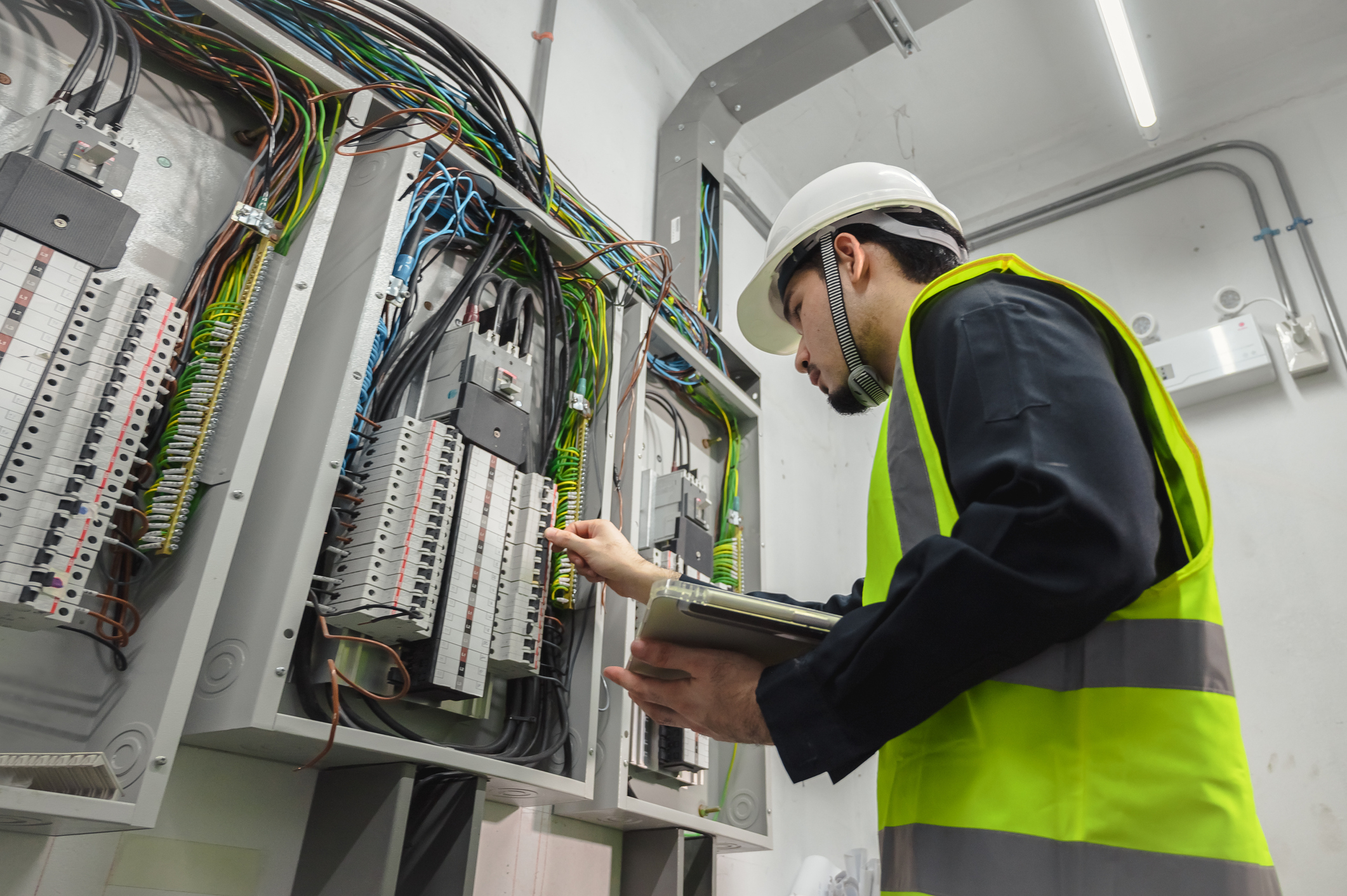
Electrical systems play an essential role in everyday commercial operations. Lighting, heating and cooling equipment, computers, machinery, and other essential devices depend on reliable electrical connections. Professional Commercial Electrical Inspection Services Melbourne FL can help identify visible electrical concerns, deteriorating components, overloaded circuits, damaged wiring, and other conditions that may require attention. An electrical inspection can also provide useful information about the general condition of accessible electrical installations. Identifying potential problems early allows property owners to arrange appropriate repairs before minor concerns develop into more serious safety risks or operational interruptions.
Understanding the Importance of Preventive Inspections
Waiting until something stops working is rarely the best maintenance strategy for a commercial property. Electrical faults, plumbing leaks, roof deterioration, and structural damage can develop gradually without attracting immediate attention. Preventive inspections help uncover these concerns before they create larger problems. For example, an unnoticed water leak may damage interior finishes and affect nearby electrical components. Similarly, aging electrical equipment may require professional evaluation before it becomes unreliable. Regular assessments give building owners a better understanding of maintenance priorities and help them make informed decisions about repairs, upgrades, and ongoing property care.
Evaluating Essential Building Components
A commercial property contains several systems that work together to support daily activities. Beyond electrical installations, inspections may involve evaluating accessible roofing components, walls, floors, plumbing fixtures, doors, windows, ventilation, and other important features. Scheduling Commercial Inspection Melbourne FL services can help property owners gain a broader understanding of their building's observable condition. A systematic evaluation can highlight visible defects, signs of deterioration, and areas that may need further investigation. This information is useful when preparing maintenance plans, managing existing facilities, or assessing a building before making an important property investment.
Reducing Unexpected Repair Expenses
Unexpected repair costs can place pressure on a commercial property's maintenance budget. When minor defects remain unnoticed, they may eventually require more extensive work and additional resources. Regular inspections help owners recognize developing issues and address them according to their urgency. A damaged electrical outlet, minor roof leak, or deteriorating building material may be easier to manage when discovered early. Inspection findings also help property managers prioritize essential repairs instead of spending money without a clear maintenance strategy. Although inspections cannot eliminate every unexpected expense, they can improve planning and reduce the likelihood of avoidable problems.
Supporting Employees and Visitor Safety
A safe commercial environment benefits everyone who enters the building. Employees need dependable working conditions, while customers, clients, and visitors expect clean and properly maintained spaces. Electrical hazards, damaged flooring, loose railings, poor lighting, and visible moisture problems can create unnecessary risks. Routine inspections help identify these conditions so property owners can arrange suitable corrective measures. Particular attention should be given to frequently used areas, including entrances, hallways, staircases, workspaces, and shared facilities. Maintaining these spaces demonstrates responsible property management and helps create a more comfortable environment for everyday business activities.
Preparing for Commercial Property Transactions
Property inspections can also be valuable when buying, selling, or leasing commercial real estate. Buyers want a clearer picture of a building's condition before making a financial commitment. Sellers may benefit from identifying maintenance concerns before listing their property. Inspection findings can help both parties understand visible defects, potential repair requirements, and components that may need additional evaluation. This information supports more informed discussions and can reduce uncertainty during negotiations. Property owners can also use inspection reports to plan improvements that make their buildings more appealing to prospective buyers or tenants.
Choosing the Right Inspection Professional
Selecting an inspection provider involves more than comparing prices. Property owners should consider professional experience, communication, inspection procedures, and the type of evaluation offered. It is important to understand which building components will be included and whether specialized assessments are necessary for particular systems. Electrical work, for example, may require a qualified electrical professional when detailed testing or repairs are involved. A clear inspection report should explain observed conditions, identify areas of concern, and provide useful recommendations for further action. Asking questions before scheduling an assessment helps ensure expectations are understood.
Maintaining Long-Term Property Value
Commercial properties require consistent care to remain functional, safe, and attractive. Regular inspections provide valuable information that helps owners recognize maintenance needs, plan improvements, and protect their investments. Addressing electrical concerns and other building defects early can support smoother operations and reduce unnecessary disruptions. Whether managing a small office or a larger commercial facility, property owners benefit from understanding the condition of their buildings. Making professional inspections part of an ongoing maintenance routine is a practical way to support long-term property performance and create a safer environment for employees, customers, and visitors.

