

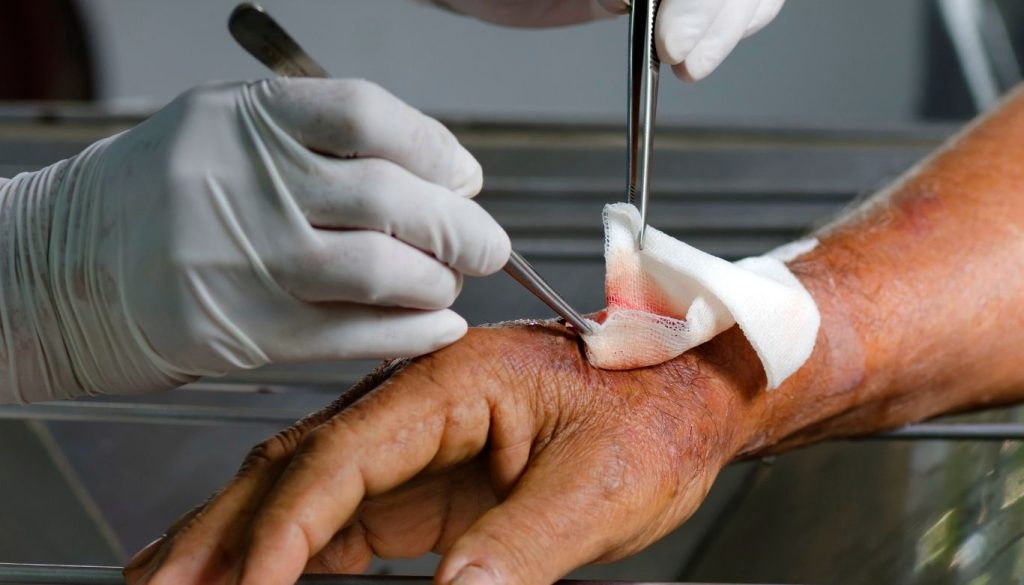
Burn injuries can damage the skin, cause significant discomfort, and require careful treatment to prevent complications. Whether a burn is caused by heat, hot liquids, chemicals, or electricity, proper wound care plays an important role in protecting the affected area and supporting recovery. Wound Dressing at Home in Dubai can help suitable patients receive professional wound care in a familiar environment, with qualified nurses providing dressing support and monitoring. Through services such as Doctor at Home, patients can also receive medical guidance about burn severity, appropriate treatment, and when further medical attention is necessary.
Understanding Different Types of Burns:
Burns are generally classified according to the depth of skin damage and the tissues affected. Superficial burns involve the outer layer of skin and commonly cause redness and tenderness, while partial-thickness burns affect deeper layers and may produce blisters, swelling, and significant pain. Full-thickness burns damage all layers of the skin and may appear white, brown, or charred; these injuries require urgent specialist assessment. The cause of the burn also matters because chemical and electrical injuries can cause deeper damage than is immediately visible. Understanding the type and severity of a burn helps healthcare professionals determine the appropriate treatment and whether specialist care or hospital management is required.
Why Proper Burn Wound Dressing Is Important:
A suitable dressing helps protect a burn wound from friction, external contamination, and further irritation. Depending on the injury, it may also help maintain an appropriate moisture balance and reduce discomfort during daily activities. However, not every burn should be dressed in the same way. Minor burns may require simple protection, while deeper burns need assessment and treatment by trained healthcare professionals. An unsuitable dressing, excessive pressure, or unnecessary handling can damage fragile tissue and interfere with recovery. Professional assessment ensures that dressing choices are based on the burn's depth, location, size, and overall condition.
Immediate First Aid Before Applying a Dressing:
The first response to a burn can influence the extent of tissue damage and the patient's comfort. For a thermal burn, the affected area should be cooled under cool running water for approximately 20 minutes as soon as possible. Remove jewellery and loose clothing near the injury if they are not stuck to the skin, as swelling may develop. Do not use ice, butter, toothpaste, oils, or household remedies because they can worsen irritation or cause additional damage. After cooling, a minor burn may be loosely covered with a clean, non-fluffy dressing or a suitable sterile covering while medical advice is obtained. Never burst blisters or pull away skin that is stuck to the wound.
Choosing Suitable Dressings for Burn Injuries:
Burn dressings should be selected according to the depth of the injury, the amount of wound fluid, and the condition of the surrounding skin. Some dressings are designed to protect delicate tissue, while others help absorb drainage or maintain a suitable healing environment. A healthcare professional may recommend a non-adherent dressing for certain superficial or partial-thickness burns to reduce trauma during removal. More complex burns may require specialised products and treatment under the supervision of a burn-care team. Important considerations include:
-
Non-adherent dressings: Help reduce sticking to delicate wound surfaces.
-
Sterile coverings: Protect the injured area from external contamination.
-
Absorbent dressings: Manage fluid from burns that produce wound drainage.
-
Specialised burn dressings: May be recommended for particular burn depths and clinical needs.
-
Protective secondary dressings: Help hold the primary dressing in place and reduce friction.
Patients should not choose advanced burn dressings independently, particularly when the injury is deep, extensive, or showing signs of infection.
Essential Hygiene and Safety Precautions During Dressing Changes:
Maintaining hygiene is important whenever a burn dressing needs to be changed. The person providing care should wash their hands thoroughly, prepare a clean surface, and use the supplies recommended by the healthcare professional. The old dressing should be removed gently, without pulling at tissue or disturbing blisters. If it is stuck, it should not be forcibly removed; professional guidance may be needed. The wound should be cleaned only according to the treatment instructions, and fresh dressing materials should be applied without unnecessary pressure. Additional precautions include:
-
Use sterile or clean supplies as directed by the treating professional.
-
Avoid touching the wound directly.
-
Do not apply creams, powders, or antiseptics unless recommended.
-
Keep the dressing clean, dry, and properly secured.
-
Change the dressing according to the prescribed schedule.
-
Dispose of used materials safely.
-
Avoid rubbing or scratching the healing skin.
These precautions help reduce unnecessary irritation and support safe wound management.
Managing Pain and Discomfort During Burn Care:
Burn injuries can be painful because damaged skin and exposed nerve endings may become sensitive to touch, temperature, and movement. Dressing changes can also cause discomfort if materials stick to the wound or surrounding skin. A healthcare professional can recommend appropriate pain management based on the patient's age, medical history, and injury severity. Dressings should be selected and removed carefully to minimise unnecessary trauma. Patients should not take more medication than directed or apply numbing products without medical advice. Increasing pain, particularly when accompanied by swelling, redness, or unusual discharge, should be assessed because it may indicate a complication.
Recognising Signs of Burn Wound Infection:
Burned skin has a weakened protective barrier, which can increase the risk of infection. Patients and caregivers should monitor the affected area during routine care and report unusual changes to a healthcare professional. Warning signs may include:
-
Increasing redness or warmth around the burn.
-
New or worsening swelling.
-
Increasing pain or tenderness.
-
Thick, cloudy, or pus-like drainage.
-
An unpleasant smell from the wound.
-
Fever, chills, or feeling generally unwell.
Some redness and fluid may occur during normal healing, so symptoms should be considered together rather than in isolation. Rapidly spreading redness, fever, severe pain, or signs of serious illness require prompt medical evaluation. A suspected infection should not be treated by simply changing the dressing more frequently.
When Do Burn Injuries Require Urgent Medical Attention?:
Not all burns can be safely managed at home. Large or deep burns, burns involving the face, hands, feet, genitals, or major joints, and burns that appear white, leathery, or charred require urgent medical assessment. Chemical and electrical burns should also receive prompt medical evaluation, even when the visible injury seems small. Inhalation of smoke or hot gases, difficulty breathing, or burns associated with other serious injuries require emergency care. Children, older adults, and people with underlying health conditions may also need earlier assessment. Patients should not delay professional treatment while attempting to manage a serious burn with home dressings.
Benefits of Professional Burn Dressing at Home:
For patients whose burns have been assessed and are suitable for home management, professional visits can make ongoing wound care more convenient. A qualified nurse can follow the prescribed dressing plan, observe changes in the wound, and help identify concerns that need medical review. Home visits may be particularly useful for patients with limited mobility or those recovering from other medical conditions. Nurses can also explain safe dressing care to family members and provide guidance on protecting the affected area during everyday activities. The frequency of visits should depend on the burn's severity and the treating clinician's recommendations.
Final Thoughts
Burn wound care requires careful assessment, appropriate dressing selection, good hygiene, and regular monitoring. While minor burns may heal with basic first aid and suitable protection, deeper or extensive injuries need prompt medical attention and may require specialist treatment. Patients should avoid household remedies, unnecessary handling, and unapproved dressing products. Wound Dressing at Home in Dubai can support suitable patients through professional dressing changes and ongoing monitoring after an appropriate medical assessment. Following qualified healthcare advice and recognising warning signs early can help protect the injured skin and support a safer recovery.

