


Milk thistle, turmeric, ginger, garlic, and several other herbs have been studied for their potential effects on liver health. Some contain compounds with antioxidant or anti-inflammatory activity, while others have a long history of traditional use. However, research does not establish that these herbs can reliably prevent, treat, or reverse liver disease.
The liver already performs essential metabolic and detoxification functions. Before choosing an herbal supplement, it is important to understand what the research supports, where evidence is limited, and which ingredients may cause unwanted effects.
Why Is Liver Health Important?
The liver processes nutrients, produces bile, metabolizes medications, and participates in the body's natural waste-elimination processes.
Its normal functions include managing blood glucose, processing fats and proteins, and storing certain vitamins and minerals.
Conditions such as viral hepatitis, metabolic dysfunction-associated steatotic liver disease (MASLD), and alcohol-related liver disease can affect these functions.
Herbal products are sometimes marketed as liver cleansers, but taking a supplement does not automatically improve liver function.
1. Milk Thistle (Silymarin)
Milk thistle (Silybum marianum) is among the most frequently studied botanical ingredients associated with liver health.
Its seeds contain silymarin, a mixture of compounds that includes silibinin, silychristin, and silydianin.
What Does Research Suggest?
Laboratory studies have investigated silymarin for antioxidant activity and its effects on certain cellular processes.
Human studies have examined changes in liver enzymes and other markers, but findings remain inconsistent.
High-quality evidence is insufficient to establish milk thistle as a treatment for liver disease.
Safety Considerations
Milk thistle may cause digestive discomfort or allergic reactions, particularly in people sensitive to plants in the daisy family.
For a more detailed explanation of its relationship with liver blood tests, read Milk Thistle and Liver Enzymes.
2. Ginseng
Ginseng, particularly Panax ginseng, contains compounds known as ginsenosides.
People have used it in traditional herbal preparations and studied it for several biological effects.
What Does Research Suggest?
Some laboratory and animal studies have explored how ginseng compounds interact with inflammation and oxidative stress.
A limited number of human studies have reported changes in liver-related blood markers.
However, these findings do not establish ginseng as an effective liver treatment.
Safety Considerations
Ginseng may cause insomnia, headaches, or digestive problems.
It may also interact with medications, including certain blood-thinning and blood-glucose-lowering medicines.
3. Green Tea
Green tea contains polyphenols called catechins, including epigallocatechin gallate (EGCG).
Researchers have investigated these compounds for their antioxidant properties.
What Does Research Suggest?
Some clinical studies have examined green tea extracts in people with metabolic liver conditions.
Results have included changes in liver enzymes and other laboratory measurements, but evidence remains insufficient to establish clinical treatment benefits.
Safety Considerations
Ordinary green tea beverages are generally well tolerated by most adults.
Concentrated green tea extracts, however, have been associated with liver injury in some individuals.
Drinking green tea and taking a high-strength EGCG supplement are not equivalent.
4. Licorice Root
Licorice root (Glycyrrhiza glabra) contains glycyrrhizin, a compound studied for several biological properties.
It has a long history of use in traditional medicine.
What Does Research Suggest?
Certain small studies have investigated licorice preparations in people with liver-related conditions.
Some reported changes in biochemical markers, but these results are not sufficient to recommend ordinary licorice supplements for liver disease.
Safety Considerations
Prolonged or excessive use of licorice containing glycyrrhizin can raise blood pressure and lower potassium levels.
It may be particularly unsuitable for people with heart disease, kidney disease, or hypertension.
5. Turmeric (Curcumin)
Turmeric is a culinary spice containing curcuminoids, including curcumin.
It is often included in herbal wellness products because of its investigated antioxidant and anti-inflammatory properties.
What Does Research Suggest?
Some small clinical studies have examined curcumin formulations in people with metabolic liver conditions.
Although certain studies reported changes in liver-related markers, the evidence does not establish curcumin as a standard treatment.
Safety Considerations
Turmeric used in normal cooking amounts differs from concentrated curcumin supplements.
Some enhanced-absorption curcumin formulations have been associated with liver injury.
The NIH's turmeric safety information explains these concerns and the importance of professional guidance.
6. Garlic
Garlic (Allium sativum) contains sulfur-containing compounds, including alliin and compounds formed when garlic is crushed.
It is a familiar food ingredient and is also available as a concentrated supplement.
What Does Research Suggest?
Some human studies have investigated garlic supplements in people with fatty liver conditions.
Certain findings have included changes in liver enzymes, lipid measurements, or liver fat.
However, these findings do not establish that garlic supplements prevent or reverse liver disease.
Safety Considerations
Garlic consumed in normal dietary quantities is generally well tolerated.
Concentrated supplements may cause digestive discomfort or interact with medicines that affect blood clotting.
7. Ginger
Ginger (Zingiber officinale) contains compounds such as gingerols and shogaols.
People commonly consume it in food and beverages, and it is also available as a supplement.
What Does Research Suggest?
Small clinical studies have explored ginger supplementation in people with metabolic liver conditions.
Some reported changes in inflammatory markers, blood glucose, or liver enzymes.
However, more reliable human evidence is needed before drawing conclusions about liver-specific benefits.
Safety Considerations
Ginger may cause heartburn, nausea, or other digestive effects, particularly in concentrated amounts.
People taking regular medication should discuss high-dose ginger supplements with a healthcare professional.
8. Danshen (Red Sage)
Danshen comes from the roots of Salvia miltiorrhiza.
It is used in traditional Chinese herbal preparations.
What Does Research Suggest?
Laboratory and animal studies have investigated danshen compounds in relation to oxidative stress and tissue changes associated with liver disease.
Some human studies have evaluated specialized preparations, but findings may not apply to ordinary consumer supplements.
Safety Considerations
Danshen can interact with certain medications, including anticoagulants.
Anyone taking warfarin or other blood-thinning medication should avoid self-prescribing danshen products.
9. Ginkgo Biloba
Ginkgo biloba is a botanical ingredient commonly found in supplements marketed for memory and circulation.
Its extracts contain flavonoids and terpene compounds.
What Does Research Suggest?
Some animal studies have examined the effects of ginkgo extracts on liver tissue and oxidative stress.
Human clinical evidence supporting ginkgo specifically for liver health remains very limited.
Safety Considerations
Ginkgo may cause headaches, gastrointestinal discomfort, or allergic reactions.
It can also increase concerns about bleeding when used with certain medications.
10. Astragalus
Astragalus, commonly associated with Astragalus membranaceus, is a traditional herb containing polysaccharides, saponins, and other plant compounds.
What Does Research Suggest?
Experimental studies have investigated astragalus compounds in relation to inflammation, oxidative stress, and liver tissue changes.
Most liver-specific findings come from laboratory or animal research.
High-quality human evidence is not sufficient to recommend astragalus as a treatment for liver conditions.
Safety Considerations
Astragalus may interact with medicines that affect the immune system.
Individuals with autoimmune conditions or those taking immunosuppressive medications should seek professional guidance.
Comparing the 10 Herbs for Liver Health
|
Herb |
Main research interest |
Important precaution |
|
Milk Thistle |
Silymarin and liver markers |
Allergies, mixed evidence |
|
Ginseng |
Ginsenosides and oxidative stress |
Medication interactions |
|
Green Tea |
Catechins and metabolic markers |
Concentrated extract liver injury |
|
Licorice |
Glycyrrhizin |
Blood pressure and potassium |
|
Turmeric |
Curcumin |
Possible liver injury with some extracts |
|
Garlic |
Sulfur-containing compounds |
Bleeding interactions |
|
Ginger |
Gingerols and metabolic markers |
Digestive effects and interactions |
|
Danshen |
Experimental tissue effects |
Anticoagulant interactions |
|
Ginkgo Biloba |
Experimental antioxidant research |
Bleeding concerns |
|
Astragalus |
Experimental inflammation research |
Immune-related interactions |
These ingredients are listed for educational comparison, not in order of proven effectiveness.
Are Herbal Liver Supplements Safe?
Herbal supplements can cause adverse effects even when their ingredients come from plants.
Potential risks include medication interactions, allergies, digestive symptoms, inaccurate labeling, and contamination.
Certain herbal products have also been associated with liver injury.
Don't assume a supplement is safe just because it is marketed as natural.
Who Should Be Especially Careful?
Professional advice is particularly important for people who have diagnosed liver or kidney disease, take prescription medications, are pregnant or breastfeeding, or use multiple supplements.
People experiencing jaundice, dark urine, severe abdominal pain, or persistent nausea should seek medical evaluation rather than begin a self-directed liver cleanse.
How to Choose a Liver Support Supplement
When comparing liver wellness products, consider ingredient transparency, serving amounts, relevant research, and potential interactions.
Look beyond advertising phrases such as complete liver detox or instant liver repair.
Check the Supplement Facts
Review the ingredient names, quantities, and serving information.
Botanical extracts may vary in concentration, so two supplements containing the same plant may differ considerably in composition.
Understand Different Ingredient Types
Not every ingredient associated with liver wellness is an herb.
For example, TUDCA is a bile acid derivative, while NAC is a derivative of the amino acid cysteine.
Milk thistle, by contrast, is a botanical ingredient.
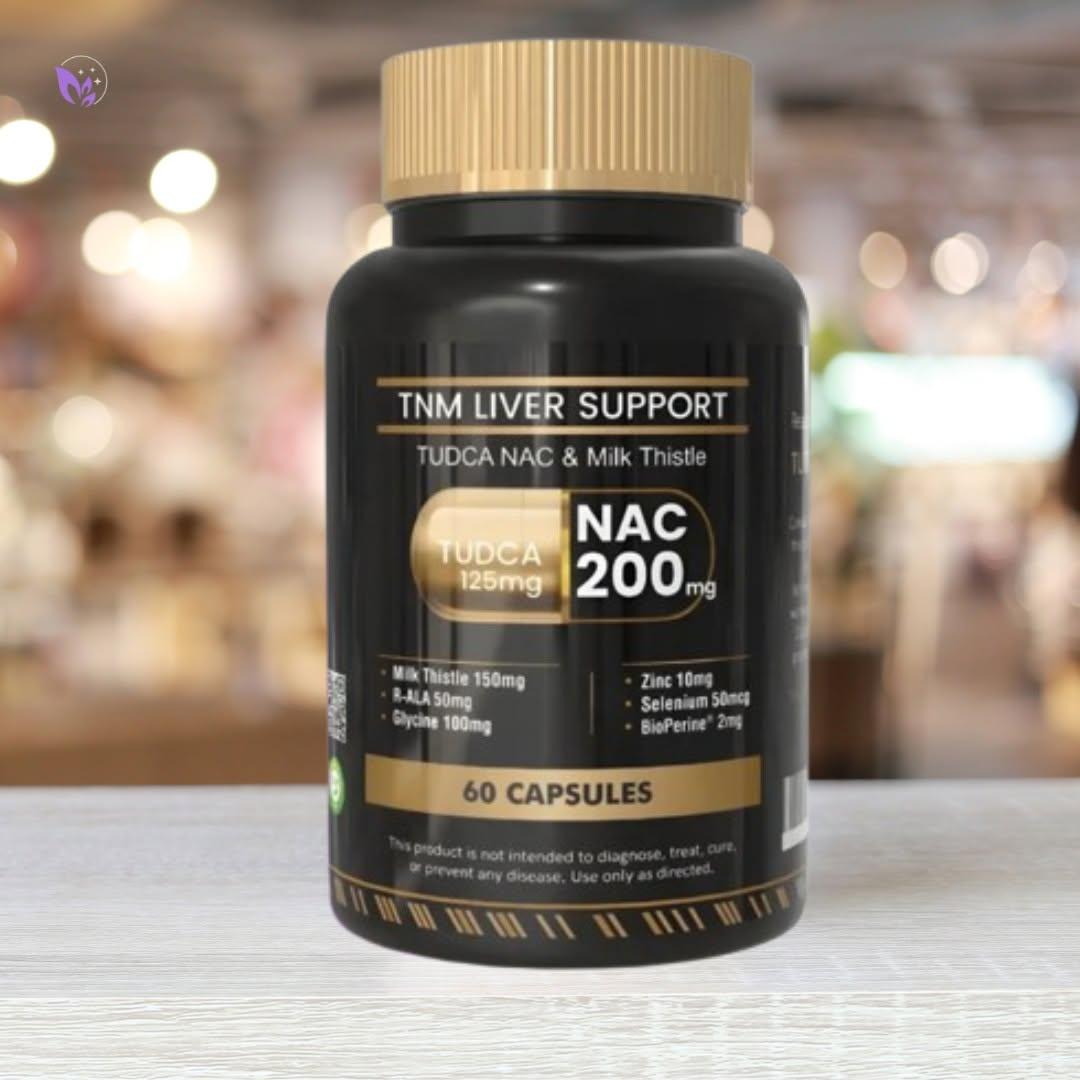
TNM Liver Support: A Supplement Available at Mahoney Inter
Mahoney Inter Supplements offers a range of herbal and nutritional wellness products, including TNM Liver Support.
The formula combines milk thistle with non-herbal ingredients commonly discussed in liver-related supplement research.
TNM Liver Support Ingredient Information
|
Ingredient |
Listed amount |
|
TUDCA |
125 mg |
|
NAC |
200 mg |
|
Milk Thistle |
150 mg |
|
Alpha Lipoic Acid |
50 mg |
|
Glycine |
100 mg |
|
Zinc |
10 mg |
|
Selenium |
50 mcg |
|
BioPerine |
2 mg |
The product listing also identifies 60 vegetarian capsules per bottle and a two-capsule daily serving.
These ingredients do not establish that the finished formulation removes toxins, repairs liver damage, or treats a medical condition.
Customers can review the complete ingredient list and current label information on the TNM Liver Support product page.
Everyday Habits for Maintaining Liver Health
Herbal supplements are not a substitute for established health practices.
A balanced diet, regular physical activity, responsible alcohol consumption, and appropriate medical care remain important.
Include fruits, vegetables, whole grains, legumes, and suitable protein sources in your diet. Avoid unnecessary supplement combinations and follow medical advice regarding prescribed medicines.
People with abnormal liver tests or diagnosed liver conditions should follow an individualized treatment plan.
About Mahoney Inter Supplements
Mahoney Inter Supplements is an online dietary supplement retailer operated by Apex Black Label LLC in Sheridan, Wyoming, United States.
The company offers vitamins, herbal supplements, and nutritional products for customers in the USA, UK, and Canada.
Its product selection includes TNM Liver Support, Paragon Cleanse, Activated Charcoal Binder, and other nutritional supplements.
Customers can review product labels, serving information, and current availability through the official website.
Company Contact Information
Business Name: Apex Black Label LLC
Trade Name: Mahoney Inter Supplements
Website: mahoneyinter.com
Email: info@mahoneyinter.com
Phone: +1 (800) 917-4461 (USA and Canada toll-free)
Business Address: 30 N Gould St, STE R, Sheridan, Wyoming 82801, United States
For product information, order questions, and general customer assistance, visit the Mahoney Inter Contact Page.
Customer support does not provide medical diagnosis or treatment advice.
Frequently Asked Questions
What is the best herb for liver health?
No single herb has been proven best for everyone. Milk thistle is widely studied, but clinical evidence remains insufficient to establish it as a treatment for liver disease.
Is milk thistle good for liver health?
Milk thistle contains silymarin compounds that researchers have studied in laboratory and human trials. Results remain mixed.
Can turmeric improve liver function?
Some small studies have investigated curcumin in people with liver-related conditions, but reliable treatment benefits have not been established.
Can herbal supplements damage the liver?
Yes. Certain concentrated herbal products have been associated with liver injury, particularly in susceptible individuals.
Is green tea safe for the liver?
Ordinary green tea beverages are generally well tolerated by most people. Concentrated green tea extract supplements have been linked to liver injury in some cases.
Does TNM Liver Support contain milk thistle?
Yes. The listed formulation contains milk thistle alongside TUDCA, NAC, alpha lipoic acid, glycine, zinc, selenium, and BioPerine.
Do herbal supplements detoxify the liver?
Insufficient evidence shows that routine herbal supplements remove accumulated toxins from liver tissue or speed up the liver's normal detoxification processes.
Can I take several liver herbs together?
Combining multiple herbal ingredients may increase the potential for side effects or interactions. Consult a healthcare professional before combining supplements.
Conclusion
Milk thistle, ginseng, green tea, licorice, turmeric, garlic, ginger, danshen, ginkgo biloba, and astragalus have all been investigated for properties potentially relevant to liver health.
However, the strength of the evidence varies considerably, and laboratory findings do not automatically translate into clinical benefits.
Before choosing an herbal supplement, consider the available research, ingredient amounts, potential interactions, and your individual health circumstances.
Disclaimer: This article is for educational purposes only and does not replace professional medical advice, diagnosis, or treatment. Dietary supplements are not intended to diagnose, treat, cure, or prevent disease.

