

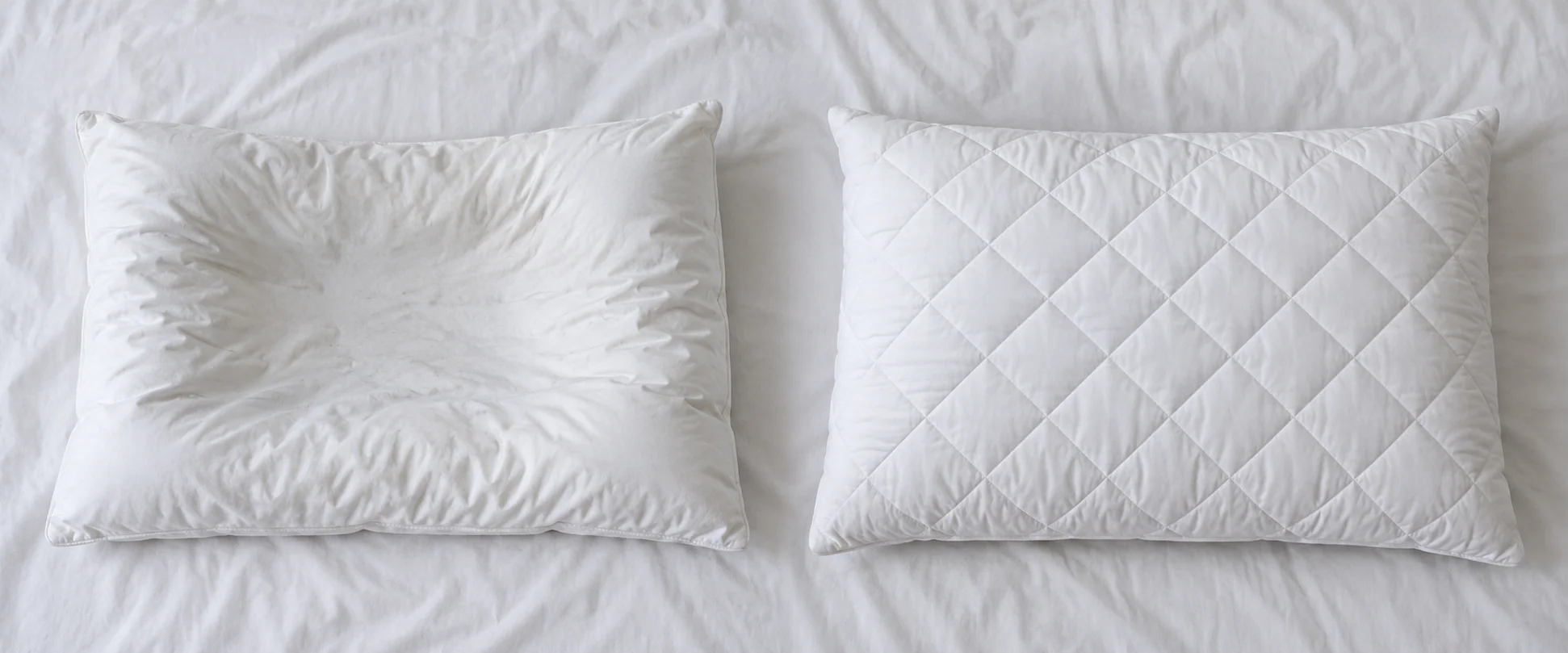

Choosing the right pillow is an important part of creating a comfortable sleeping environment. While many people focus on pillow filling, shape, and fabric, loft is another factor that can significantly influence sleep quality. Loft refers to the height or thickness of a pillow when it is resting naturally. It affects how your head and neck are supported throughout the night.
When selecting a quilted pillow, understanding the difference between firm, medium, and soft loft options can make the decision easier. Each loft level offers a different sleeping experience, and the best choice depends on your sleeping position, body proportions, personal comfort preferences, and the amount of support you need.
A quilted pillow can provide a comfortable surface with a structured appearance, but its performance also depends on its internal filling and construction. Finding the right balance between loft and firmness helps create a more supportive and relaxing sleep experience.
Understanding Pillow Loft and Firmness
Before choosing a quilted pillow, it is useful to understand that loft and firmness are two different characteristics.
Loft describes how high or thick a pillow is, while firmness describes how much resistance it provides when pressure is applied. A pillow can have a high loft but feel soft, or it can have a relatively low loft while offering firm support.
These characteristics work together to determine how your head rests against the pillow. If the loft is too high, your neck may be pushed upward. If it is too low, your head may sink too far into the sleeping surface. Both situations can create discomfort, especially when maintained throughout the night.
Quilted pillows feature stitched outer layers that create a distinctive surface design. Depending on their filling and construction, they can offer different combinations of cushioning, support, and thickness.
What Makes Quilted Pillows Different?
Quilted pillows are designed with stitched fabric layers that help create a textured outer surface. The stitching often forms patterns that give the pillow a more structured and finished appearance.
The quilting process can also help keep certain layers in position, depending on how the pillow is manufactured. However, quilting alone does not determine whether a pillow is firm, medium, or soft. The filling, material density, and overall construction play important roles.
Some quilted pillows feel plush and cushioned, while others provide a more supportive sleeping surface. This means shoppers should consider both the external construction and the internal materials when comparing different options.
Understanding these differences can help you make a more informed decision. For additional information about pillow construction and sleeping comfort, explore:
https://utopia.co.uk/blogs/guides/quilted-vs-non-quilted-pillows
Soft Loft for a Plush and Gentle Sleeping Experience
Soft loft pillows are generally designed to provide a cushioned feeling with less resistance under the weight of your head. They compress more easily than firmer alternatives, making them suitable for people who prefer a gentle and less elevated sleeping surface.
A soft quilted pillow can be a comfortable option for stomach sleepers because this sleeping position usually requires less pillow height. A lower pillow helps reduce the amount of upward neck movement that can occur when the head rests too high.
People who enjoy a softer sleeping experience may also appreciate the gentle cushioning of this type of pillow. However, softness should not be confused with proper support. A pillow that compresses excessively may fail to maintain its shape throughout the night.
When choosing a soft quilted pillow, consider its filling quality and how well it recovers after compression. The ideal option should feel comfortable without becoming completely flat during regular use.
Medium Loft for Balanced Comfort and Support
Medium loft pillows offer a balance between cushioning and elevation. They are often a practical starting point for people who are unsure whether a soft or firm pillow will suit their sleeping habits.
A medium quilted pillow can provide enough height to support the head without creating excessive elevation. This makes it worth considering for combination sleepers who change positions during the night.
Back sleepers may also find medium loft useful because it can help maintain a more neutral head and neck position. The important factor is choosing a pillow that fills the natural space between the head and mattress without pushing the chin too far toward the chest.
Medium loft can also work well for people who prefer a balance between a cushioned surface and a supportive feel. However, the right choice still depends on mattress firmness, shoulder width, and individual body proportions.
For many shoppers, medium loft is a sensible option to consider first, especially when they do not have a strong preference for either a very soft or very firm pillow.
Firm Loft for Greater Structure and Elevation
Firm pillows generally provide more resistance when pressure is applied. They are designed to maintain a more structured shape and may suit sleepers who prefer a supportive sleeping surface.
Side sleepers often need greater pillow height because their shoulders create additional space between the head and mattress. A suitable firm or supportive loft can help fill this gap and keep the neck closer to a neutral position.
However, a firm pillow is not automatically the best option for every side sleeper. If it is too high, it may push the head upward and create unnecessary pressure around the neck and shoulders.
People with broader shoulders or mattresses that allow the body to sink deeply may require a different pillow height from those with narrower shoulders or firmer mattresses.
When selecting a firm quilted pillow, pay attention to how its filling responds to pressure. The goal is to find a pillow that maintains comfortable support without feeling excessively rigid.
Matching Quilted Pillow Loft With Your Sleeping Position
Your sleeping position is one of the most useful factors when deciding between firm, medium, and soft loft.
Stomach Sleepers
Stomach sleepers generally benefit from a lower and softer pillow. Since the head already turns to one side during this position, additional elevation can increase neck rotation. A soft, low-loft quilted pillow may provide a more comfortable sleeping surface.
Back Sleepers
Back sleepers often benefit from medium loft. The pillow should support the natural curve of the neck while allowing the head to rest comfortably. Excessive height can push the head forward, while insufficient height may leave the neck without adequate support.
Side Sleepers
Side sleepers typically require more loft than stomach sleepers. The pillow needs to fill the gap between the head and mattress while accounting for shoulder width. Medium-firm or firm options may be worth considering, provided the height is appropriate.
Combination Sleepers
Combination sleepers regularly change positions, making flexibility important. A medium-loft pillow can offer a useful middle ground, although the best option depends on which position you spend the most time in.
Factors That Affect Your Ideal Pillow Loft
Sleeping position is important, but it is not the only consideration. Several other factors influence how a quilted pillow feels and performs.
Mattress Firmness
A soft mattress allows the shoulders and upper body to sink further into the sleeping surface. This can reduce the amount of pillow height needed. A firmer mattress provides less body sinkage, which may require additional loft to fill the space between the head and mattress.
Shoulder Width
People with broader shoulders generally need more height when sleeping on their sides. Those with narrower shoulders may feel more comfortable with a lower pillow.
Pillow Filling
Different fillings respond differently to pressure. Some materials compress easily, while others maintain their structure more effectively. The filling determines how much support remains when your head rests on the pillow.
Personal Comfort
Individual preferences also matter. Some people enjoy a plush sleeping surface, while others prefer a more structured feel. The right pillow should provide comfortable support without creating pressure or forcing the neck into an unnatural position.
How to Test Whether Your Quilted Pillow Is the Right Choice
Testing a pillow before making a final decision can help prevent discomfort.
Start by lying in your usual sleeping position and allowing your head to settle naturally. Pay attention to the alignment of your head, neck, and upper spine.
If you sleep on your side, check whether your head remains level rather than tilting toward the mattress or ceiling. Back sleepers should notice whether the pillow supports the neck without pushing the head too far forward. Stomach sleepers should avoid excessive elevation.
You should also consider how the pillow feels after several minutes rather than judging it immediately. Some fillings compress gradually under body weight, changing the effective loft.
If the pillow regularly loses its shape, feels uncomfortable, or requires constant adjustment, it may not provide the support you need.
Final Thoughts
Choosing between firm, medium, and soft loft for a quilted pillow depends on finding the right balance between comfort, elevation, and support. Soft loft may suit stomach sleepers and people who prefer gentle cushioning. Medium loft offers a balanced option for many back and combination sleepers, while firm and higher-loft options may work well for side sleepers who need additional elevation.
However, there is no universal pillow that works equally well for everyone. Mattress firmness, shoulder width, filling material, and sleeping habits all influence the ideal choice.
The most important consideration is maintaining comfortable head and neck alignment throughout the night. By understanding how loft and firmness work together, you can choose a quilted pillow that supports your sleeping position and contributes to a more comfortable bedroom experience.

