

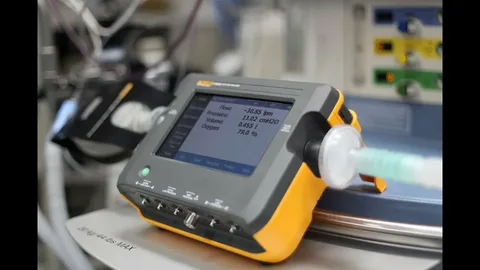

Indoor environmental quality is an important consideration for residential, commercial, and institutional properties. While property owners often focus on visible maintenance issues, certain environmental concerns can develop beneath a building and affect the air inside. Vapor intrusion is one such concern. It occurs when gases or chemical vapors from contaminated soil or groundwater move through the ground and enter an indoor space. Understanding how this process happens and recognizing when an assessment may be necessary can help property owners make informed decisions about building safety.
In West Allis, WI, evaluating possible soil gas concerns can be an important part of responsible property management. Vapor Intrusion Testing West Allis WI helps determine whether certain gases or volatile chemicals may be entering a building from beneath its foundation. Since these substances are not always visible or detectable by smell, environmental testing provides valuable information that ordinary building inspections cannot supply.
Understanding How Vapor Intrusion Occurs
Vapor intrusion can happen when chemicals in contaminated soil or groundwater evaporate and move upward through soil pores. These vapors may travel toward a building and enter through foundation cracks, construction joints, gaps around utility lines, sump pits, and other openings. Differences in air pressure between the soil and indoor spaces can contribute to the movement of vapors into a structure.
Potential sources can include historical industrial activities, fuel storage, dry-cleaning operations, and certain chemical spills. However, the presence of a nearby commercial or industrial property does not automatically mean that vapor intrusion is occurring. A proper environmental assessment is needed to determine whether a potential source and pathway exist.
Why Testing Is Important for Property Owners
Vapor intrusion testing helps identify whether specific chemicals or soil gases are present in indoor air or beneath a building. The appropriate assessment depends on the property's history, surrounding land use, suspected contaminants, and foundation design. Testing may involve indoor air sampling, sub-slab soil gas sampling, outdoor air measurements, or other investigation methods.
Results can help environmental professionals understand whether vapors are moving through the foundation and whether additional investigation is necessary. Property owners should avoid relying on assumptions based on neighboring buildings or general area conditions. Each property has its own characteristics, and testing should be designed around the specific environmental questions being investigated.
Recognizing Potential Risk Factors in West Allis, WI
A property's history can provide useful clues when evaluating possible vapor intrusion concerns. Previous industrial or commercial uses, known contamination records, underground storage tanks, and nearby environmental investigations may justify further review. Building features also matter because cracks, utility penetrations, and other openings can provide pathways for soil vapors.
Property owners in West Allis, WI, may benefit from reviewing available site information before beginning an assessment. Environmental consultants can help examine historical records, identify possible sources, and determine whether soil gas or indoor air sampling is appropriate. This approach helps ensure that testing is based on relevant conditions rather than unnecessary assumptions.
How Vapor Intrusion Mitigation Works
When an investigation confirms that vapor intrusion requires corrective action, a mitigation strategy may be developed to reduce the movement of vapors into occupied spaces. The selected approach depends on the chemicals involved, their measured concentrations, the building's foundation, and the identified pathways.
One commonly used method is sub-slab depressurization. This approach uses a collection point beneath the building and a fan-assisted piping system to draw soil gas away from the foundation before it enters indoor areas. Other situations may require a vapor barrier, sealing of selected openings, improved ventilation, or a combination of measures. The design should be based on the assessment findings and applicable environmental requirements.
Planning a Suitable Installation
A successful mitigation project begins with a clear understanding of the building and the conditions beneath it. Vapor Intrusion Mitigation Installation West Allis WI can involve evaluating foundation construction, selecting suitable system components, determining pipe and fan placement, and planning an appropriate outdoor discharge location. The installation must account for building use, access requirements, and the specific vapors identified during the investigation.
Depending on the site, the project may also require coordination with environmental consultants, engineers, property managers, and building contractors. A detailed installation plan helps clarify the scope of work, equipment requirements, expected schedule, and any necessary precautions during construction. Property owners should request an explanation of the proposed approach before approving the work.
Verifying Results After Mitigation
Installing a mitigation system is not the final step. Follow-up testing helps determine whether the corrective measures have achieved their intended purpose. Environmental professionals may conduct additional indoor air or sub-slab sampling to compare conditions before and after installation.
Ongoing monitoring may also be recommended depending on the chemicals involved, site conditions, and applicable regulatory guidance. Keeping organized records of laboratory results, installation details, maintenance activities, and follow-up assessments can help property owners understand how the system performs over time.
Maintaining a Healthier Indoor Environment
Vapor intrusion concerns require careful investigation because the substances involved and their potential effects can vary considerably. Reliable testing helps identify whether a problem exists, while a properly designed mitigation approach can reduce the movement of unwanted vapors into occupied areas. Property owners should work with qualified environmental professionals who can explain the findings and recommend measures suited to the building.
Property owners and facility managers in West Allis, WI, can contact a qualified environmental testing and mitigation provider to discuss site concerns, arrange an assessment, and request an installation estimate if corrective work is needed. Taking a measured, evidence-based approach can support better building management and more informed decisions about indoor environmental conditions.

