

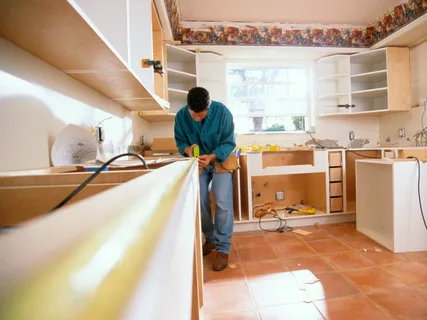

A comfortable home should offer practical spaces that support everyday routines while reflecting the preferences of the people who live there. Over time, household needs change, materials become worn, and older layouts may no longer provide the convenience homeowners want. Renovation offers an opportunity to improve functionality, refresh interior finishes, and make better use of available space.
For property owners in Leesville, SC, Home Remodeling Leesville SC can include a variety of improvements, from updating individual rooms to refreshing larger portions of a house. Careful planning helps homeowners identify priorities, choose suitable materials, and establish a realistic budget. A well-organized renovation can make a property more comfortable while addressing features that have become outdated or difficult to maintain.
Understanding Your Home Improvement Goals
Every renovation should begin with a clear understanding of what needs to change. Some homeowners want a more modern appearance, while others need additional storage, better lighting, or a layout that accommodates changing family routines. Identifying the main purpose of the project makes it easier to decide which improvements deserve attention first.
It is helpful to evaluate each room individually. Consider how much space is available, whether the existing fixtures are functional, and which features create everyday inconvenience. Separating essential repairs from optional design upgrades can also help keep the project within budget.
Creating a More Comfortable Bathroom
Bathrooms are among the most frequently used spaces in a home, and their condition can influence daily comfort and convenience. Bathroom Remodeling Leesville SC projects can address outdated fixtures, limited storage, worn flooring, poor lighting, and inefficient layouts. Depending on the property's needs, improvements may include replacing a vanity, installing a new shower, updating tile, or changing fixtures.
A successful bathroom renovation should balance appearance with practical considerations. Storage should be accessible, lighting should support everyday tasks, and fixtures should fit the available space. Choosing materials designed for damp environments is also important because bathrooms experience regular moisture and temperature changes.
Addressing Moisture and Ventilation
Moisture management deserves particular attention during bathroom improvements. Inadequate ventilation can allow humidity to linger, potentially contributing to condensation, peeling finishes, and mold growth. Installing or improving an exhaust fan and ensuring that it vents appropriately can help remove excess moisture from the room.
Waterproofing around showers, tubs, and other wet areas should also be handled carefully. Suitable membranes, properly installed tile, and sealed connections can help protect underlying surfaces. Homeowners should discuss these details before construction begins rather than focusing exclusively on decorative finishes.
Selecting Fixtures and Materials
Material choices affect the bathroom's appearance, durability, maintenance requirements, and overall cost. Flooring should provide suitable traction, while countertops and cabinetry should be appropriate for the room's conditions. Fixtures should also be selected according to available space and household preferences.
Homeowners can compare different finishes, colors, and product specifications before making final selections. It is useful to consider cleaning requirements and replacement availability, especially for items that receive frequent use. Choosing materials based on both appearance and performance can help create a bathroom that remains practical over time.
Improving Other Interior Spaces
Bathroom updates are often part of a broader effort to improve the home. Kitchens, living rooms, bedrooms, and hallways may also benefit from new flooring, fresh paint, improved lighting, or better storage arrangements. Coordinating related improvements can create a more consistent interior appearance.
Some homeowners may also consider changing the layout to improve movement between rooms or make underused areas more functional. Structural changes, wall removal, and modifications to plumbing or electrical systems require proper evaluation. Depending on the scope of work, permits and inspections may also be necessary.
Establishing a Realistic Renovation Budget
A clear budget helps homeowners understand what can be accomplished and which materials are appropriate for the project. Costs may include labor, fixtures, flooring, cabinetry, plumbing work, electrical updates, demolition, and disposal. Unexpected conditions can also arise when older surfaces are removed, so allowing for additional expenses is a sensible precaution.
Requesting a detailed written estimate can help clarify the proposed work and its expected cost. Homeowners should review the materials, installation details, and project scope before approving an agreement. Comparing estimates based on the same requirements makes it easier to understand differences in pricing.
Keeping Renovation Work Organized
Planning the construction schedule is important, particularly when a bathroom or kitchen will be temporarily unavailable. Discussing work stages, material delivery, access arrangements, and expected completion dates can help households prepare. Regular communication also allows homeowners to ask questions and review any changes before additional work is approved.
Keeping records of estimates, agreements, product selections, and project updates can reduce confusion. Clear expectations between the homeowner and service provider help support smoother coordination throughout the renovation.
Begin Your Home Renovation in Leesville, SC
A thoughtful renovation can improve comfort, functionality, and the overall appearance of a property. Whether you are updating a bathroom, refreshing interior finishes, or planning several improvements, taking time to evaluate your needs and budget can help guide better decisions.
Homeowners in Leesville, SC, can contact a qualified remodeling provider to discuss their ideas, arrange an assessment, and request a detailed estimate. Explain your preferred updates, material choices, and project timeline to develop a practical plan for creating a more comfortable home.

