

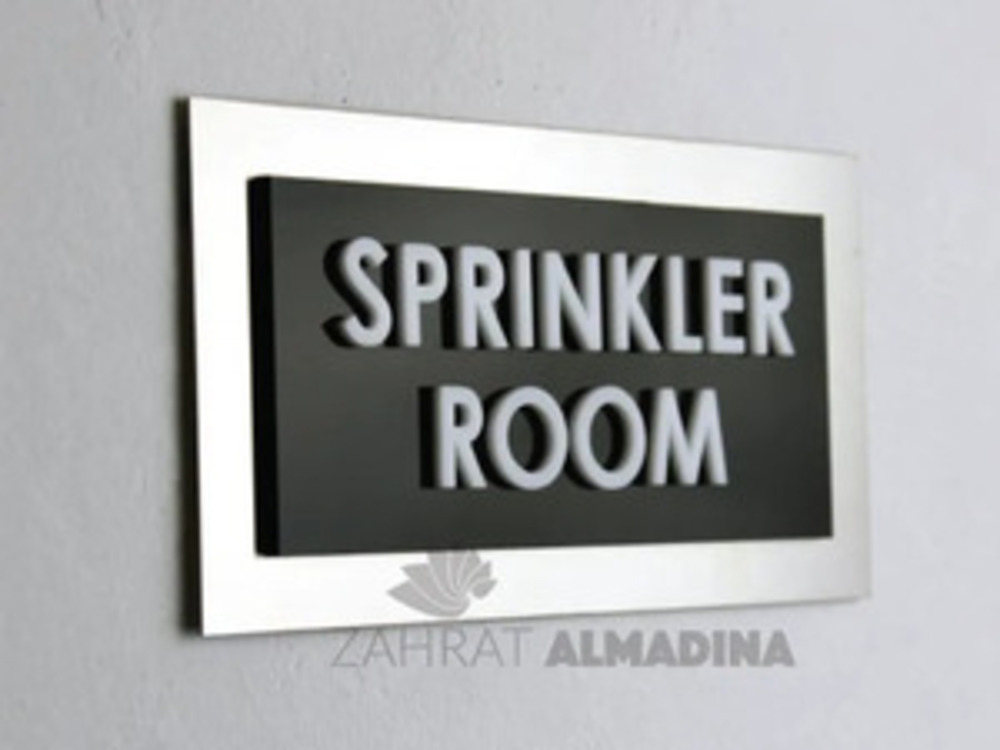
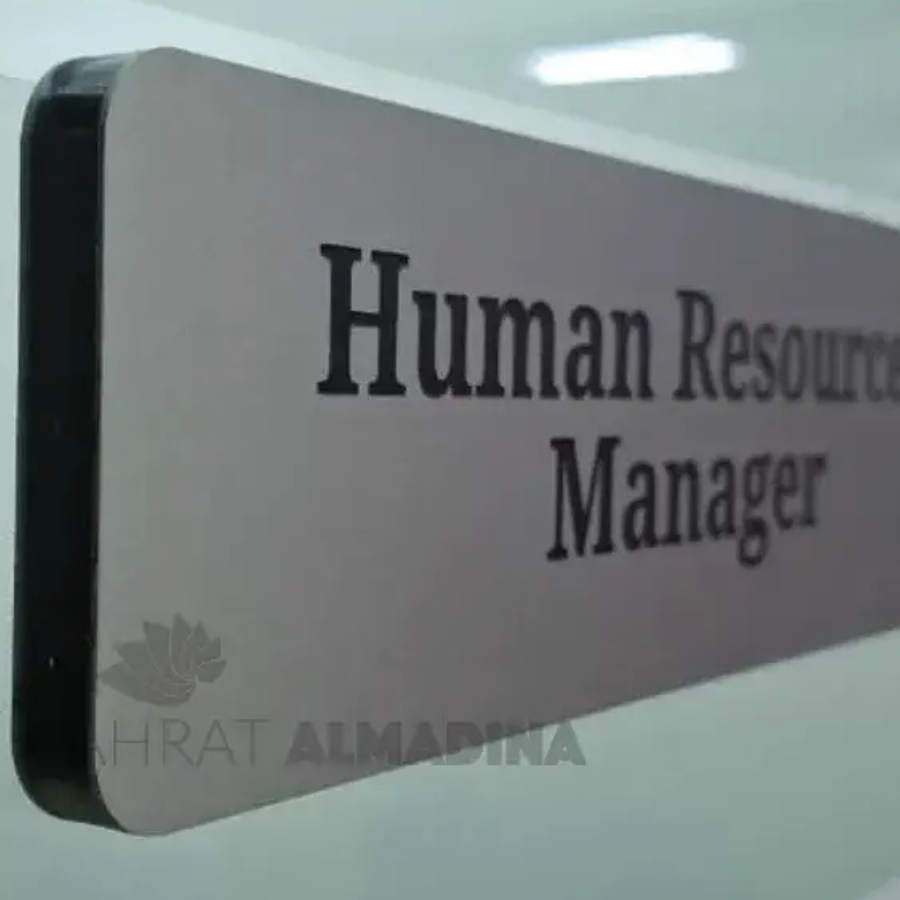
A name plate may seem like a small detail, but it plays an important role in identifying homes, offices and commercial spaces. From displaying a family name at an entrance to identifying a department inside a corporate building, the right design can make a space easier to recognise and more organised. People exploring metal name plates Dubai options will find a variety of materials, finishes, lettering styles and mounting methods to consider. Stainless steel, aluminium and brass-finish plates each offer a different appearance, making it possible to choose a style that suits both traditional and contemporary settings. The most suitable option depends on where the plate will be installed, how much information it needs to display and the level of exposure it will face over time.
What Makes Metal Name Plates Dubai a Practical Choice?
Metal name plates are widely used because they combine a solid appearance with a range of design possibilities. They can be produced in simple formats for everyday identification or with more detailed finishes for decorative purposes.
Unlike paper labels or temporary stickers, a properly manufactured metal plate provides a more permanent way to display names and information. The material can also complement other architectural features, such as door handles, entrance fittings, office furniture and wall finishes.
A Suitable Option for Different Environments
Metal plates can be used in residential, commercial and institutional settings. A house entrance may have a plate displaying the family name or property number, while an office may use individual plates to identify employees and departments.
They are also useful in apartment buildings, hotels, clinics, educational institutions and commercial properties. In these environments, clear identification helps visitors find the correct location without repeatedly asking for directions.
Appearance and Durability
Metal surfaces offer a different visual character from acrylic or plastic. Depending on the selected finish, they can look modern, traditional, understated or decorative.
Their durability depends on the metal grade, surface treatment, manufacturing quality and installation environment. A plate made for an indoor office may not need the same weather resistance as one installed outside a house or commercial building.
For outdoor applications, it is important to consider sunlight, humidity, rain, dust and cleaning requirements before choosing the material.
Different Metals Used for Name Plates
Not all metal name plates are made from the same material. Each option has its own appearance, weight, maintenance requirements and suitability for different environments.
Stainless Steel
Stainless steel is a popular choice for contemporary name plates because it has a clean, professional appearance. It is commonly used for office doors, reception areas, building entrances and residential properties.
Its resistance to corrosion makes it suitable for many indoor and outdoor applications. However, the actual performance depends on the grade of steel and the surrounding conditions. For coastal or particularly humid environments, selecting an appropriate grade is important.
Common Stainless Steel Finishes
-
Brushed finish: Has a subtle texture that reduces the appearance of minor surface marks.
-
Mirror finish: Creates a highly reflective surface with a polished appearance.
-
Matte finish: Provides a softer look with less reflection.
-
Coloured finish: Can introduce gold, black or other decorative tones through suitable finishing processes.
The choice should depend on the surrounding architecture and how much visual attention the plate needs to attract.
Aluminium
Aluminium is relatively lightweight and can be shaped into different sizes and profiles. It is often selected for office identification, door labels and building information signs.
It can be finished in different colours, including silver, black and gold tones. Printing, engraving and other suitable surface treatments can be used to add names, logos and additional information.
Aluminium is particularly useful when a project requires several matching plates. Its lighter weight can also make installation easier, depending on the size and mounting method.
Brass and Brass-Finish Plates
Brass has a warm, traditional appearance that works well in formal interiors, heritage properties and executive offices. Its golden tone can complement wooden doors, classic furniture and decorative architectural features.
Some products use solid brass, while others use a brass-coloured finish applied to another material. These options should not be treated as identical. Buyers should confirm the actual base material and finishing method before ordering.
Brass surfaces may require occasional polishing depending on the finish and the appearance the owner wants to maintain.
How to Choose the Right Design and Finish
The appearance of a name plate should relate to the place where it will be displayed. A design that suits a luxury hotel entrance may look out of place on a simple residential door. Similarly, an elaborate decorative plate may not be appropriate for a modern office with minimal furniture.
Match the Plate with the Surroundings
Start by looking at the door, wall or surface where the plate will be installed. Consider its colour, texture and existing hardware.
For example, a brushed silver plate can complement a modern glass or grey office door. A gold-tone design may suit a dark wooden entrance, while a matte black plate can create a strong contrast against a light-coloured wall.
Consistency is particularly important in commercial buildings. If several rooms require identification, using the same material and layout can create a more organised appearance.
Select a Suitable Shape and Size
Rectangular plates are common because they provide enough room for names and other details. However, square, circular and custom-shaped designs can work for decorative or specialised applications.
Before confirming the dimensions, measure the available installation area. A plate that is too large may dominate the door, while a very small design can make the lettering difficult to read.
The amount of text should also influence the size. A family name may fit comfortably on one line, whereas an office plate showing a person's name and designation may need a wider layout.
Use Clear and Appropriate Lettering
The font should suit the purpose of the plate. Simple lettering is generally easier to read, particularly when visitors need to identify a room from a short distance.
Decorative fonts can be used for residential entrances, but they should not compromise readability. For office and building identification, straightforward typography is often more practical.
Colour contrast also deserves attention. Dark lettering on a light metal surface or light lettering on a darker background can improve visibility.
Personalisation Options for Homes and Businesses
A name plate can be designed around the information it needs to communicate. The layout may include a personal name, family name, business name, room number, job title or company logo.
A custom name plate allows the buyer to select details such as dimensions, shape, material, finish and lettering style. This is useful when a standard design does not match the entrance or interior.
Residential Name Plates
Homeowners may choose a plate displaying their family name, house number or property name. Some prefer a simple metal rectangle, while others select decorative lettering or a design that includes a small symbol.
For a modern home, a clean stainless steel plate with minimal text may be appropriate. A traditional property may look better with a brass-style finish and more decorative lettering.
House number plates should remain easy to see from the approach to the property. Their position should be practical for visitors, delivery drivers and emergency services.
Office and Corporate Name Plates
Businesses often use metal plates to identify employees, departments, meeting rooms and reception areas. A consistent design can help create a professional appearance across different floors or departments.
For example, a company may use matching brushed aluminium plates for individual offices and larger versions for conference rooms. The same lettering style and colour scheme can help visitors understand the building's layout.
Building and Apartment Identification
Apartment buildings and commercial properties may require several types of identification plates. These can include floor numbers, unit numbers, entrance labels and directional information.
The design should be consistent throughout the property. If each floor uses a different style without a clear system, visitors may find the building confusing.
Printing, Engraving and Manufacturing Methods
The production method affects how names, logos and other details appear on the finished surface. The right process depends on the selected metal, the complexity of the artwork and the expected use of the plate.
Laser Engraving
Laser engraving uses a focused beam to mark a suitable surface. It is commonly used for text, numbers, logos and simple decorative details.
The final appearance depends on the metal and its surface treatment. Some materials produce a darker engraved mark, while others may require additional finishing to make the lettering stand out.
Engraving is particularly suitable for designs that need precise text and a neat finish.
UV Printing
UV printing applies ink to a compatible surface and cures it using ultraviolet light. It can reproduce coloured artwork, logos and detailed graphics.
This method may be suitable when a name plate needs more than plain lettering. For example, a business may want to include a coloured logo alongside an employee's name.
The surface should be properly prepared to support good print adhesion. Buyers should also check whether the selected print finish is suitable for the intended indoor or outdoor application.
Raised and Layered Lettering
Some designs use separate metal or compatible material pieces to create raised text. This adds depth and can make the name more noticeable.
Layered construction may combine a flat base with raised letters, borders or decorative elements. It can work well for reception areas, executive offices and prominent building entrances.
However, additional layers can increase the overall thickness and weight. The mounting method should be selected accordingly.
Choosing a Manufacturing Specialist
The production requirements should be discussed before the design is approved. A specialist should understand the intended location, metal type, dimensions, lettering method and mounting requirements.
For example, Zahrat Al Madina Printing is one Dubai-based printing business associated with signage and customised printing solutions, making it a relevant name in the local market when researching workplace identification options.
Installation Methods and Maintenance
A well-designed plate still needs to be installed correctly. Poor positioning or unsuitable fixing methods can affect both its appearance and stability.
Common Installation Methods
Screws and fixings: These provide a secure attachment for many larger or heavier plates. The installer needs to consider the surface material and choose appropriate fixings.
Strong adhesive: Suitable adhesive systems can be used for some lightweight plates and smooth surfaces. The surface should be clean, dry and compatible with the adhesive.
Standoffs: Metal standoffs hold a plate slightly away from the wall or door. This creates a floating appearance and can add depth to the design.
Mounting brackets: These may be useful for certain freestanding or desk-mounted plates where direct attachment is not suitable.
The selected method should account for the plate's weight, the installation surface and whether the plate may need to be removed later.
Cleaning and Everyday Care
Metal name plates generally need only occasional cleaning, although the correct method depends on the material and finish.
A soft cloth is suitable for removing dust and fingerprints from many surfaces. Avoid abrasive pads, rough brushes and harsh chemicals that could scratch or damage the finish.
Stainless steel should be cleaned using products appropriate for its surface. Brass may require a suitable polish if the finish is intended to remain bright. Coated aluminium should be cleaned gently to avoid damaging its protective layer.
Checking Outdoor Conditions
Outdoor plates need additional consideration. Direct sunlight, rain, moisture and airborne dust can affect the appearance of some finishes over time.
Before installation, confirm that the material and coating are suitable for the location. The plate should also be mounted securely so that it remains stable in normal weather conditions.
Common Mistakes to Avoid Before Ordering
A few simple checks can prevent problems during production and installation.
Ignoring the Viewing Distance
A plate that looks clear on a computer screen may be difficult to read once installed. Check the actual dimensions and lettering size rather than judging the design only from a digital preview.
Choosing Appearance Over Practicality
A highly decorative finish may look attractive but may not suit every environment. For a busy office corridor, clear identification is usually more important than elaborate decoration.
Providing Incorrect Information
Spelling mistakes, incorrect room numbers and outdated job titles can make a name plate unusable. Review every detail carefully before approving the final artwork.
For multiple plates, prepare a single verified list of names and information. This makes it easier to check the complete order and reduces the risk of mixing up details.
Forgetting the Installation Surface
A heavy metal plate may not be suitable for every door or wall without appropriate support. Check the surface material and fixing requirements before production is completed.
It is also useful to decide whether the plate needs to be removable. This matters in rented offices, shared buildings and workplaces where employee names may change.
Conclusion
Metal name plates offer a practical way to identify homes, offices and commercial spaces while adding a finished look to doors, walls and reception areas. Stainless steel, aluminium and brass each provide different characteristics, so the choice should reflect the location, design preferences and maintenance requirements. Clear lettering, suitable dimensions and reliable installation are just as important as the material itself. By reviewing the artwork and production details before placing an order, property owners and businesses can select a plate that communicates information clearly and remains appropriate for its surroundings.

