

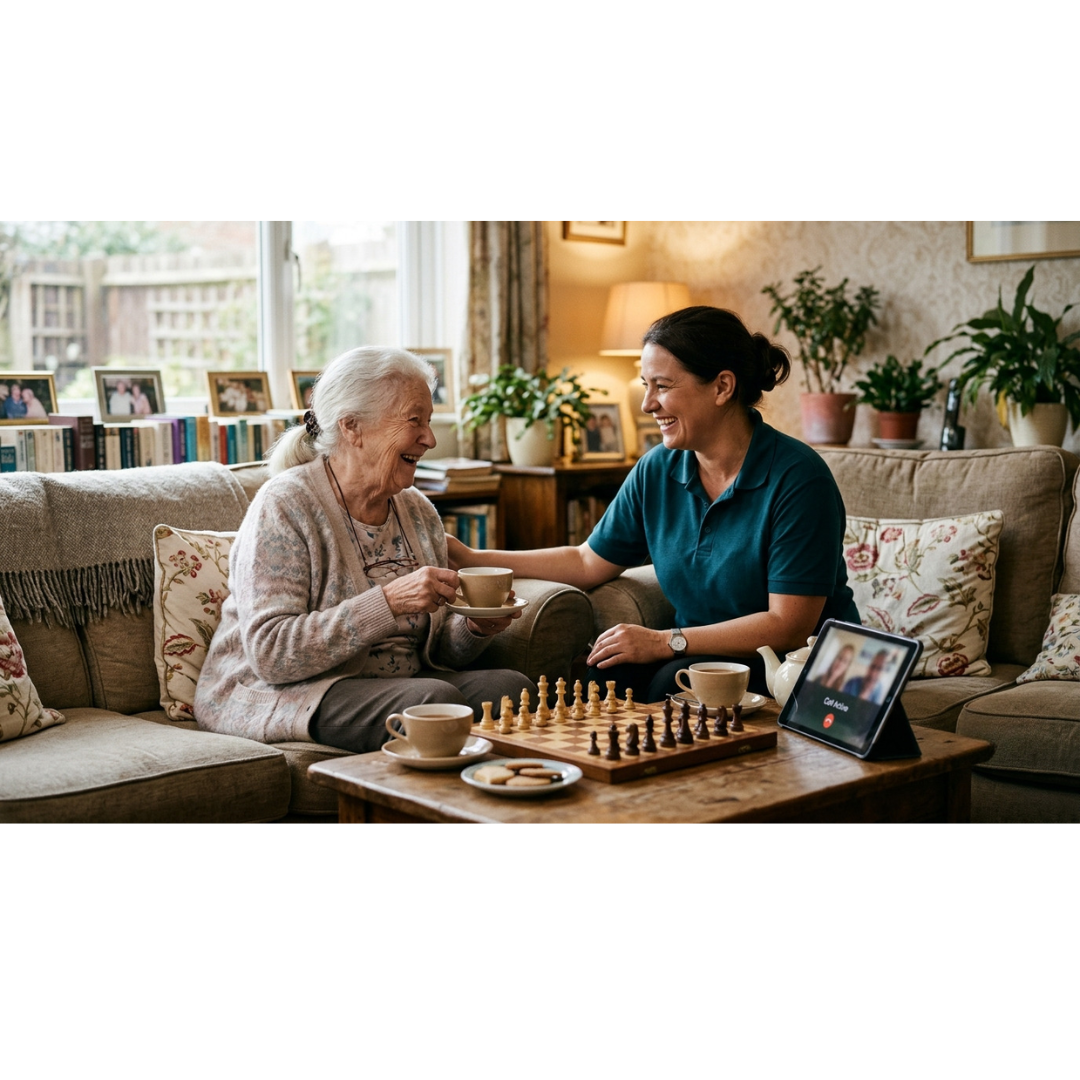

Elderly care services at home help seniors manage everyday activities while continuing to live in familiar surroundings. From assistance with medicines and health appointments to companionship, meal support, household coordination, and emergency assistance, home based care addresses many of the practical challenges that come with ageing. It also gives family members access to reliable support when work, travel, or distance makes daily caregiving difficult.
As parents grow older, even familiar activities may require additional attention. Some seniors remain independent but need regular check ins, while others require assistance with health related needs or household responsibilities. Having trained caregivers and a dedicated care manager involved can make daily life more manageable for seniors and their families.
1. Assistance With Everyday Personal Activities
Ageing can gradually affect mobility, balance, and physical strength. Activities that once felt simple, such as getting dressed, moving around the house, preparing meals, or maintaining personal hygiene, may become more challenging.
Home care arrangements can provide assistance based on the senior's individual requirements. Depending on the agreed care plan, support may include:
-
Assistance with getting ready for the day and maintaining personal hygiene.
-
Help with moving safely around the home.
-
Support with meal preparation and regular eating schedules.
-
Assistance with everyday household activities.
-
Reminders for routine tasks and personal appointments.
The level of assistance should depend on the person's physical abilities and preferences. Seniors who can perform certain activities independently should be encouraged to continue doing so rather than having every task completed for them.
2. Medicine Reminders and Health Monitoring
Managing medicines becomes particularly important when seniors have multiple prescriptions or ongoing health conditions. Missing a scheduled dose, forgetting a doctor's appointment, or overlooking changes in health can create difficulties.
Elderly Care Services at Home can include medicine reminders, health check ups, and coordination with healthcare professionals.
Practical support may involve:
-
Reminding seniors about prescribed medicine schedules.
-
Coordinating medicine delivery from pharmacies.
-
Arranging doctor visits and teleconsultations.
-
Scheduling laboratory tests and routine health check ups.
-
Recording health updates and sharing relevant information with family members.
For seniors recovering after surgery or managing long term health conditions, nursing support may also be required. Such medical tasks should be handled by appropriately trained healthcare professionals rather than general caregivers.
3. Help With Meals and Daily Household Requirements
Regular meals, grocery supplies, clean surroundings, and basic household management contribute to a comfortable daily routine. However, older adults living alone may find it difficult to manage all these responsibilities, particularly when mobility or energy levels decline.
Care arrangements can help families coordinate essential household requirements without making seniors dependent on others for every small activity.
For example, a caregiver or care manager may help arrange grocery deliveries, coordinate household repairs, schedule cleaning services, and check whether essential supplies are available.
For seniors who have specific dietary requirements, families should communicate these needs clearly. Meal planning should consider medical advice, food preferences, allergies, and any restrictions recommended by a healthcare professional.
4. Companionship and Emotional Support
Physical assistance is only one part of elderly care. Social interaction and emotional support also play an important role in maintaining a senior's quality of life.
Older adults who spend long hours alone may experience loneliness, reduced social interaction, and a loss of interest in regular activities. Having someone available for conversation and companionship can make everyday life more engaging.
Companion care may include:
-
Regular conversations and friendly check ins.
-
Reading, indoor games, and shared hobbies.
-
Accompanying seniors on suitable outings.
-
Helping them attend family gatherings and social events.
-
Providing company during everyday activities.
At Pranyaas, companion care and social support are part of the available elder care services. These arrangements help seniors maintain social connections while giving family members additional support when they cannot visit regularly.
5. Support During Medical Appointments and Emergencies
Taking an elderly parent to a hospital or managing an unexpected medical situation can be difficult for families living in another city or country.
Home care arrangements can help coordinate doctor appointments, ambulance assistance, hospital admission, and communication with medical professionals.
For example, when a senior requires hospital treatment, a care manager can help coordinate transportation, admission formalities, medical records, and communication with family members.
A dependable emergency support arrangement should include:
-
Access to an emergency contact number.
-
Coordination with ambulance services.
-
Assistance with hospital admission.
-
Communication with doctors and family members.
-
Regular updates during the medical situation.
These services are particularly useful for families whose children live abroad or travel frequently for work.
6. Keeping Family Members Informed About Daily Care
When children cannot visit their parents regularly, one of their biggest concerns is not knowing whether everything is going well at home.
Regular communication between caregivers, seniors, and family members helps address this concern. Updates about scheduled visits, health check ups, medicine reminders, and upcoming appointments give families a clearer picture of their parents' daily requirements.
Pranyaas provides dedicated Care Managers who coordinate services and share updates with families. Its care arrangements cover Mumbai, Pune, and Navi Mumbai, making them relevant for families whose parents live in these locations.
This approach also gives family members a single point of contact instead of requiring them to coordinate separately with different service providers.
7. Choosing the Right Level of Home Care
Not every senior requires the same type of assistance. Some older adults need occasional check ins, while others require regular medical coordination, companionship, or household support.
Before selecting a care arrangement, families should consider:
-
Physical independence: Can the senior manage everyday activities without assistance?
-
Medical requirements: Are regular health check ups, nursing support, or medicine reminders necessary?
-
Social needs: Does the senior spend most of the day alone?
-
Family availability: How frequently can family members visit or check in?
-
Emergency requirements: Is someone available to coordinate assistance when an unexpected situation arises?
Pranyaas offers different care plans based on the level of support required, including options for regular Care Manager visits, medical coordination, companionship, and emergency assistance. Families can discuss their parents' requirements before selecting a suitable arrangement.
Conclusion
Supporting an elderly family member involves more than arranging occasional visits or medical appointments. Daily routines, household responsibilities, emotional well being, and emergency preparedness all contribute to comfortable ageing at home.
The right care arrangement allows seniors to maintain their independence while receiving assistance with activities that have become difficult. It also gives families a dependable way to stay involved in their parents' daily lives, even when they cannot be physically present.
For families in Mumbai, Pune, and Navi Mumbai, Pranyaas provides coordinated elder care support through dedicated Care Managers, medical assistance, companion care, and emergency services. Assessing the senior's actual needs is the first step towards selecting the right support.
Frequently Asked Questions
Q.1. What activities are included in elderly care at home?
Ans. Home care may include assistance with personal routines, medicine reminders, meal support, household coordination, companionship, health check ups, and medical appointment management. The exact services depend on the senior's requirements and the selected care plan.
Q.2. Can elderly caregivers help seniors manage their medicines?
Ans. Yes. Care arrangements can include medicine reminders, prescription coordination, and delivery assistance. Any activity involving administering or changing medication should follow the doctor's instructions and be handled by appropriately qualified professionals.
Q.3. Is home care suitable for seniors living alone?
Ans. Yes. Home care can provide regular check ins, companionship, health monitoring, and emergency coordination for seniors who live independently. The frequency of visits should depend on their health and daily support requirements.
Q.4. How does home care help family members living abroad?
Ans. Home care providers can coordinate visits, medical appointments, medicine reminders, and emergency assistance. Regular updates from a dedicated care manager help family members remain informed about their parents while living overseas.
Q.5. How can families select the right elderly care plan?
Ans. Families should assess the senior's health, mobility, daily routine, medical requirements, and need for companionship. They should also compare visit frequency, caregiver qualifications, emergency support, and the services included in each plan.
Q.6. Which locations does Pranyaas provide elderly care services in?
Ans. Pranyaas currently provides elder care services in Mumbai, Pune, and Navi Mumbai. Families can contact its team to discuss their parents' location and the type of support required.

