


PRP Hair Treatment for Women: Addressing Female Pattern Hair Loss
Hair loss in women is often emotionally distressing, especially when it affects overall appearance, confidence, and self-esteem. Female pattern hair loss is a common condition that leads to gradual thinning, reduced volume, and widening of the hair parting. In recent years, Platelet-Rich Plasma (PRP) therapy has gained significant attention as a non-surgical solution that supports natural hair regrowth. The growing interest in PRP Treatment In Saudi Arabia reflects a broader shift toward regenerative, minimally invasive treatments that help women address hair thinning without surgery or harsh medications. Understanding how PRP works for female pattern hair loss is essential for making informed treatment decisions.
What Is PRP Hair Treatment:
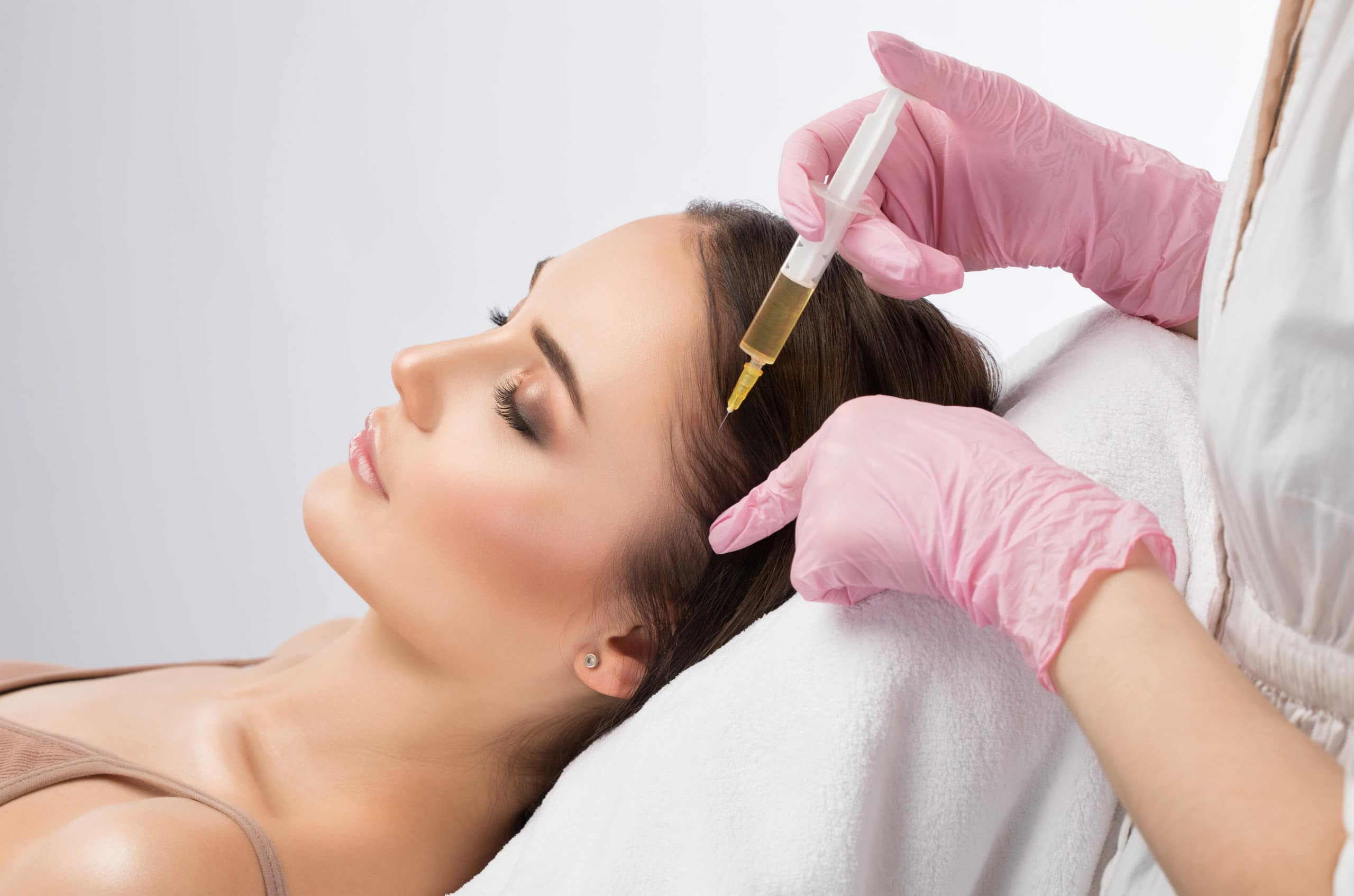
PRP hair treatment is a regenerative medical procedure that uses a patient’s own blood to stimulate hair growth. The process involves drawing a small blood sample, separating platelet-rich plasma through centrifugation, and injecting the concentrated plasma into areas of the scalp affected by thinning. Platelets contain growth factors that play a key role in tissue repair and cellular regeneration. When introduced into the scalp, these growth factors may help improve blood circulation, activate weakened hair follicles, and support healthier hair growth naturally.
Understanding Female Pattern Hair Loss:
Female pattern hair loss, also known as androgenetic alopecia in women, is a progressive condition characterized by diffuse thinning across the scalp rather than complete bald patches. It often begins with a widening part line and reduced hair volume. Common causes include:
- Genetic predisposition
- Hormonal changes or imbalances
- Aging and menopause
- Stress and lifestyle factors
- Nutritional deficiencies
Unlike male pattern baldness, women typically retain their frontal hairline, but experience overall thinning that affects hair density and volume.
How PRP Helps Women With Hair Loss:
PRP therapy works by targeting weakened but still active hair follicles. The growth factors released from platelets may stimulate follicular activity, improve blood flow, and extend the growth phase of the hair cycle. This can lead to stronger hair strands, reduced shedding, and improved overall density. Since PRP uses the body’s natural healing components, it is particularly appealing to women seeking a safe and non-hormonal treatment option for hair loss.
Why PRP Is Suitable for Women:
PRP is considered highly suitable for women because it addresses hair thinning without altering hormonal balance or requiring surgical intervention. It is a versatile treatment that can be customized based on the severity of hair loss and individual needs. Key reasons women choose PRP include:
- Non-surgical and minimally invasive procedure
- No systemic hormonal side effects
- Uses the patient’s own blood components
- Suitable for diffuse thinning patterns
- Minimal downtime and recovery
These advantages make PRP an attractive option for managing female pattern hair loss.
Ideal Candidates Among Women:
Not all women with hair loss respond equally to PRP, but the treatment is most effective for those in early to moderate stages of thinning. Ideal candidates often include:
- Women noticing gradual hair volume reduction
- Individuals with widening part lines
- Patients experiencing postpartum hair shedding
- Women with stress-related hair thinning
- Those with early-stage androgenetic alopecia
The presence of active hair follicles is essential for achieving visible improvements.
What Happens During PRP Treatment:
The PRP procedure is simple and typically completed within an hour. It involves several steps:
- A small blood sample is drawn from the arm
- The blood is processed in a centrifuge to extract plasma
- The scalp is cleaned and prepared for treatment
- PRP is injected into targeted thinning areas
- The session is completed with minimal discomfort
Most women tolerate the procedure well, and any mild discomfort is temporary.
Benefits of PRP for Female Hair Loss:
PRP offers several benefits for women experiencing hair thinning. Because it focuses on stimulating natural growth, it provides gradual and natural-looking improvements. Key benefits include:
- Increased hair thickness and volume
- Reduced hair shedding over time
- Improved scalp health and circulation
- Strengthening of existing hair strands
- Non-surgical and low-risk procedure
- Natural enhancement without artificial substances
These benefits make PRP a widely preferred option for female hair restoration.
How Many Sessions Are Needed:
PRP therapy is not a one-time treatment. Most women require multiple sessions spaced several weeks apart to achieve optimal results. A typical treatment plan includes an initial series followed by maintenance sessions. Consistency is important, as repeated stimulation helps maintain follicle activity and support long-term improvements in hair density.
Expected Results and Timeline:
Results from PRP therapy develop gradually because the treatment works by enhancing natural biological processes. Women may first notice reduced hair shedding within a few weeks to months. Visible improvements in hair thickness and density usually appear after several sessions. Full results may take several months, depending on individual response and adherence to the treatment plan.
Factors That Influence PRP Effectiveness in Women:
Several factors can affect how well PRP works for female pattern hair loss. These include:
- Age and hormonal status
- Severity and duration of hair loss
- Nutritional health and diet
- Stress levels and lifestyle habits
- Consistency of treatment sessions
- Scalp condition and circulation
Addressing these factors alongside PRP can improve overall outcomes.
PRP Compared to Other Treatments for Women:
PRP differs from other hair loss treatments because it does not involve hormones, medications, or surgery. Unlike topical or oral treatments, it directly stimulates follicles using growth factors. Compared to hair transplant surgery, it is non-invasive and requires no recovery time. Many women use PRP as a standalone treatment or in combination with other therapies for enhanced results.
Emotional and Psychological Benefits:
Hair loss can significantly impact emotional well-being in women. PRP therapy not only improves hair density but can also help restore confidence and self-image. Many patients report feeling more comfortable in social and professional settings as their hair becomes fuller and healthier over time. The gradual and natural improvement often contributes to a positive psychological effect.
Why PRP Is Growing in Popularity Among Women:
The demand for regenerative aesthetic treatments continues to rise as women seek safe, natural, and effective solutions for hair loss. The increasing interest in PRP Treatment In Saudi Arabia reflects this global trend toward minimally invasive procedures that deliver realistic and sustainable results. As awareness grows, more women are considering PRP as part of their long-term hair restoration strategy.
Final Thoughts
PRP hair treatment offers a promising solution for women experiencing female pattern hair loss by stimulating natural hair growth, improving follicle health, and enhancing overall hair density. While it is most effective in early to moderate stages of thinning, it provides a safe and non-surgical option with minimal downtime. With consistent treatment and proper care, many women experience noticeable improvements in hair volume and strength. As interest in PRP Treatment In Saudi Arabia continues to increase, PRP remains a valuable and trusted approach for women seeking natural and effective hair restoration solutions.
Categories
- Artificial Intelligence (AI)
- Technology
- Business
- Education
- Science
- Lifestyle
- Healthcare
- Entertainment
- Politics
- Environment
- Travel
- Finance
- Automobile
- News
- Art
- Causes
- Crafts
- career
- Dance
- Drinks
- Film
- Fitness
- Food
- Games
- Gardening
- Health
- Home
- Literature
- Music
- Networking
- Other
- Party
- Religion
- Shopping
- Sports
- Theater
- Wellness
Read More
The race for 5G Service market share is intensifying as major players strive to capitalize on the burgeoning demand for high-speed connectivity. With a projected market size reaching USD 488.56 billion by 2035 and a CAGR of 25.33%, it’s no surprise that companies are focusing their efforts on maximizing their footprint in this expansive market. Enhanced mobile broadband and...

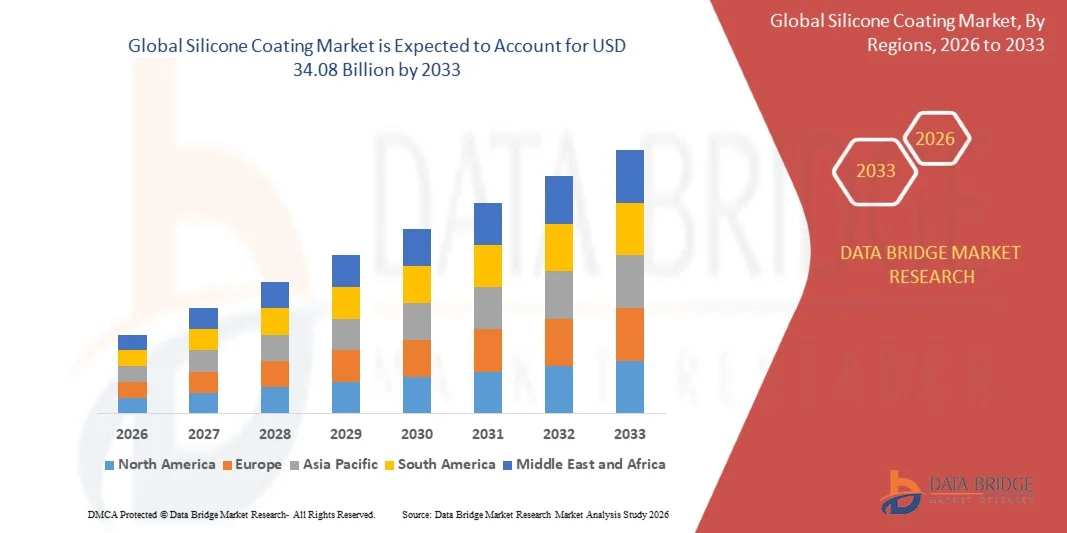
According to the latest report published by Data Bridge Market Research, the Silicone Coating Market CAGR Value As per Data Bridge Market Research analysis the global silicone coating market was valued at USD 21.55 billion in 2025 and is projected to reach USD 34.08 billion by 2033, growing at a CAGR of 5.90% from 2026 to 2033. Attaining maximum...
The global healthcare paradigm is shifting toward a data-centric model where information, rather than physical presence, drives clinical decisions. Digital diagnostics represent the convergence of traditional diagnostic tools with advanced information technology, including artificial intelligence (AI), machine learning (ML), and big data analytics. These systems enable the digitization of...

Semiconductor Insight provides market intelligence on the global Integrated Intelligent Power Module (IPM) Market, covering intelligent power modules, power semiconductors, IGBT and MOSFET technologies, motor drives, industrial automation, electric vehicles, appliances, renewable energy, regional dynamics and competitive conditions. IPMs integrate power switching devices and control or...
The Intensive Care Unit (ICU) Beds Market is witnessing significant growth as healthcare systems worldwide continue to invest in advanced critical care infrastructure. Rising cases of chronic diseases, increasing surgical procedures, an aging global population, and greater preparedness for public health emergencies are driving the demand for technologically advanced ICU beds....
