

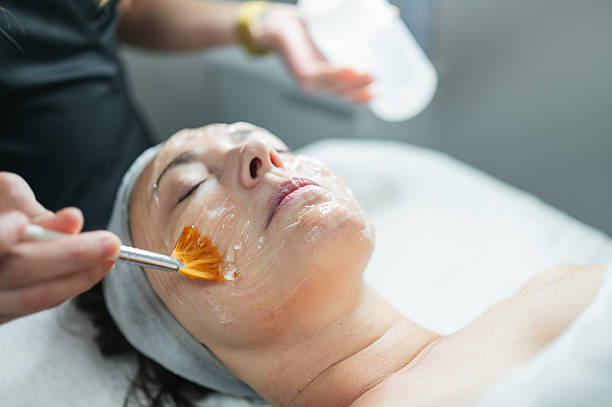

One of the most common questions patients ask before a skin-resurfacing procedure is how many appointments will be required to see a noticeable improvement. The answer depends on the condition being treated, the selected formulation, treatment depth, and the skin's response. A Chemical Peel in Dubai may produce a visible change after one superficial session, but some concerns require a planned series of treatments or a different clinical approach.
There is no fixed number that guarantees clear skin. Understanding the factors that influence session planning helps patients avoid unrealistic expectations and unnecessary exfoliation.
Why the Number of Chemical Peel Sessions Varies
Chemical peels are not all performed at the same depth or with the same ingredients. A mild superficial formulation and a medium-depth peel have different effects on the skin and different recovery requirements.
The number of sessions may depend on:
-
The type of skin concern
-
The depth and extent of pigmentation
-
Whether acne is active or controlled
-
The patient's skin tone and sensitivity
-
The strength and formulation of the peel
-
Previous treatment response
-
The time required for safe recovery
A clinician should establish the treatment plan after examining the skin rather than recommending a standard package without an assessment.
Mild Dullness and Surface Roughness
Patients with mild dullness or superficial roughness may notice an improvement after one appropriate treatment. However, the result depends on the original skin condition and the formulation used.
A series may be considered when the concern is persistent, but sessions should be spaced according to the skin's recovery and clinical protocol.
Uneven Pigmentation
Pigmentation often requires a more individualised approach. Some superficial marks may gradually improve with a course of suitable treatments, while melasma and deeper pigment conditions may need ongoing management.
Repeated exfoliation is not always the answer. If irritation develops, additional peels may increase the risk of post-inflammatory pigmentation.
Acne and Congested Pores
Selected superficial peels may help patients with blackheads, whiteheads, or certain forms of mild acne. The number of sessions depends on acne activity and how the skin responds.
Patients with severe or inflamed acne may need medical treatment first. Peels should not replace an appropriate acne-management plan.
How Chemical Peel in Dubai Session Planning Works
A treatment plan generally involves an initial assessment, selection of a suitable formulation, and review of the skin's response before further treatment.
Initial Assessment
The clinician identifies the main concern and determines whether chemical exfoliation is suitable. The assessment may include a review of medical history, current skincare, previous procedures, and pigmentation risk.
Selecting Treatment Depth
Superficial peels are commonly used for selected mild concerns and may be repeated under an appropriate protocol. Medium-depth peels require more substantial recovery and should not be scheduled as frequently as light exfoliation.
The appropriate depth depends on the clinical objective, not on the number of sessions a patient hopes to complete.
Reviewing the Skin's Response
Before another treatment is considered, the clinician should assess whether the skin has recovered and whether the previous procedure produced the intended response.
Persistent redness, sensitivity, irritation, or unexpected pigmentation may mean that treatment needs to be delayed or reconsidered.
Typical Session Planning by Skin Concern
The following table describes broad planning considerations, not a recommended schedule for every patient.
| Skin concern | Possible approach | Session planning consideration |
|---|---|---|
| Mild dullness | Superficial exfoliation | Some patients may notice a change after one session |
| Mild congestion | Selected superficial peel | May require a planned series alongside acne care |
| Flat post-acne marks | Pigment-conscious treatment | Progress should be reviewed carefully |
| Sun-related surface pigmentation | Selected peel or combined skincare | Depends on pigment depth and cause |
| Melasma | Individualised management | Repeated peels may not be appropriate for everyone |
| Deep acne scars | Combination treatment assessment | Peels alone may provide limited benefit |
Why Treatment Intervals Matter
Skin needs time to recover after exfoliation. Scheduling another procedure before the barrier has recovered can increase irritation and complication risk.
The interval between sessions depends on the peel's depth, formulation, and the clinician's protocol. Superficial treatments may be considered at shorter intervals than medium-depth procedures, but no schedule should be assumed without an assessment.
Patients should not use at-home acids between professional sessions unless the clinician specifically approves them.
Signs That the Skin May Need More Recovery Time
A patient may need to delay another treatment if the skin has:
-
Persistent redness or burning
-
Unusual sensitivity
-
Excessive dryness or cracking
-
Ongoing peeling
-
New or worsening pigmentation
-
Signs of infection or delayed healing
These symptoms should be discussed with the treating clinician before proceeding.
Does More Sessions Mean Better Results?
Not necessarily. Repeated exfoliation beyond what the skin can tolerate may damage the skin barrier and create additional inflammation.
A successful treatment plan balances improvement with recovery. It may involve fewer procedures combined with consistent skincare and sun protection rather than frequent peels.
The clinician should also reassess whether the original concern is responding. If progress is limited, changing the treatment strategy may be more appropriate than increasing the number of sessions.
How to Maintain Results Between Sessions
Daily habits can influence how long improvements remain noticeable. Maintenance does not require an unnecessarily complicated skincare routine.
Use Appropriate Sun Protection
Ultraviolet exposure can contribute to new pigmentation and visible sun damage. Broad-spectrum sunscreen and practical sun-avoidance habits are important, especially after exfoliation.
Keep the Skin Barrier Comfortable
Use gentle cleansing and suitable moisturising products. Avoid combining multiple strong exfoliants without professional advice.
Manage the Underlying Concern
If acne continues to develop, new marks may appear even after a peel. Patients with melasma may also need a long-term management plan rather than relying on periodic exfoliation alone.
Follow the Review Schedule
Follow-up appointments help the clinician evaluate progress, identify irritation, and decide whether another session is appropriate.
When a Different Treatment May Be More Suitable
A chemical peel is not a universal solution for every complexion concern. Deep acne scars, raised scars, significant laxity, and certain pigment disorders may require other procedures or medical management.
If the skin does not respond as expected, the clinician should review the diagnosis and discuss alternatives rather than automatically increasing peel strength or frequency.
Clinic Note
The correct number of sessions is determined by skin response, not by a fixed package. Allowing adequate recovery and reassessing progress between treatments can be more valuable than completing repeated procedures on a predetermined schedule.
Frequently Asked Questions
Can one chemical peel be enough?
It may be enough to produce a noticeable improvement in selected mild concerns. More persistent conditions may require additional treatment or another approach.
How far apart should chemical peel sessions be?
The interval depends on treatment depth, formulation, and recovery. Follow the schedule recommended by the treating clinician.
Can I have a peel every week?
Weekly treatment is not appropriate for every peel or every skin type. Repeated exfoliation without adequate recovery can cause irritation and barrier damage.
Will more sessions remove all pigmentation?
No. Results depend on the cause and depth of pigmentation. Melasma and some deeper pigment conditions may require long-term management.
Do acne scars need more peel sessions than dark marks?
Not necessarily. Structural acne scars often need different procedures rather than simply more chemical peels.
What happens if my skin is still peeling before the next session?
Another treatment may need to be postponed. Ongoing peeling, redness, or sensitivity should be reviewed before further exfoliation.
How can I maintain results after completing a course?
Use appropriate skincare, protect against ultraviolet exposure, manage ongoing acne or pigmentation, and follow any maintenance recommendations from the clinician.
Develop a Personalised Treatment Plan at Tajmeels Clinic
The number of treatments should reflect the skin's needs and its ability to recover. A professional assessment can help determine whether one session, a series of superficial peels, or a different treatment strategy is appropriate.
At Tajmeels Clinic, patients can discuss their skin goals, available chemical peel options, and expected treatment intervals with the clinical team. The focus is on a practical plan that supports gradual improvement while respecting the skin's natural recovery process.

