


Introduction
Have you ever received a message containing just three letters and wondered what the sender meant? Online conversations are full of abbreviations that make texting faster and more casual. One expression you may come across is "WTV," particularly in conversations between friends or on social media.
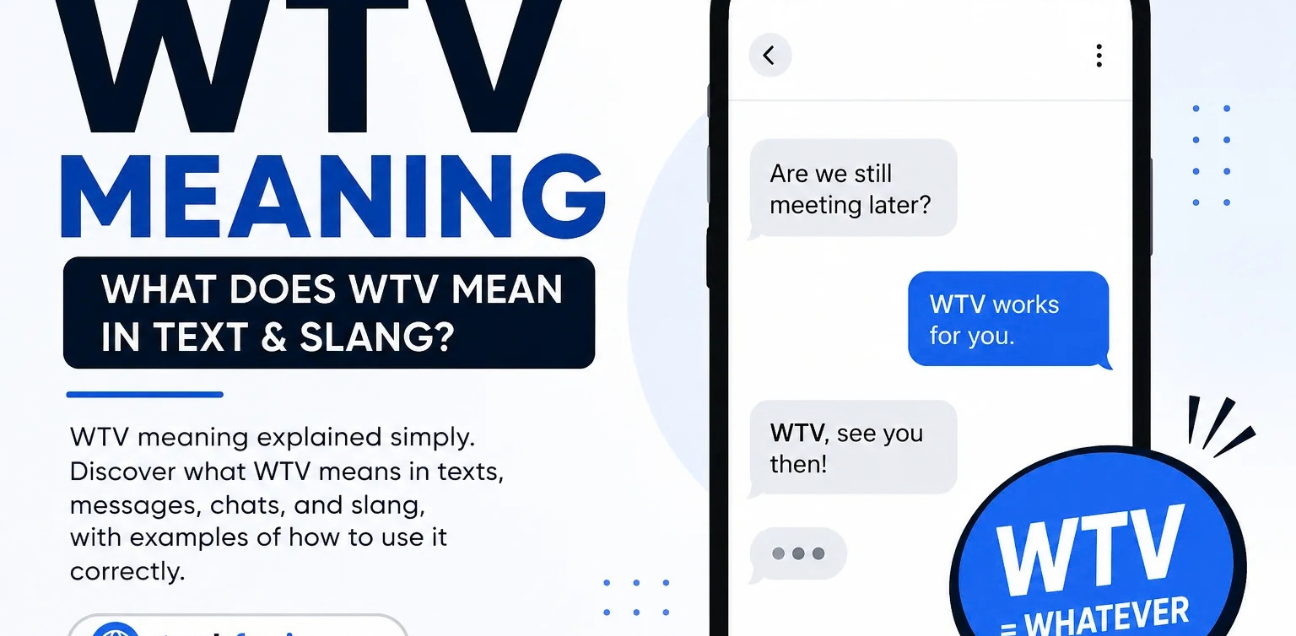
The WTV Meaning is most commonly "whatever." People use it when they have no strong preference, want someone else to make a decision, or do not feel like continuing a discussion. However, the tone can change depending on the situation. It may sound relaxed and friendly in one message but dismissive or annoyed in another.
What Does WTV Mean in Text Messages?
WTV is a shortened form of "whatever." It is commonly used in informal digital communication to express indifference, flexibility, or acceptance.
For example:
Friend 1: What movie should we watch tonight?
Friend 2: WTV you want. I'm fine with anything.
In this conversation, WTV means the sender does not have a particular preference and is happy to let the other person choose.
However, a standalone reply such as "WTV" may communicate a different feeling. It can suggest that someone is uninterested, frustrated, or unwilling to discuss something further.
How Is WTV Used in Online Conversations?
The abbreviation appears in different situations, depending on what the sender wants to communicate.
1. Showing No Preference
Someone may use WTV when they are comfortable with any available option.
Example: "We can eat wherever. WTV works for me."
Here, the sender is letting the other person decide.
2. Ending a Discussion
WTV can sometimes indicate that someone does not want to continue debating a particular subject.
Example: "WTV, let's just move on."
The message suggests that the person would rather stop discussing the issue.
3. Expressing Indifference
When someone has little interest in a situation, they may use WTV to communicate that feeling.
Example: "WTV happens, I don't really mind."
This indicates that the person is not particularly concerned about the outcome.
4. Accepting Someone Else's Choice
Friends may use WTV to show that another person's decision is acceptable.
Example: "Pick the restaurant. WTV you choose is fine."
The sender is being flexible rather than insisting on a particular option.
WTV Meaning on Social Media
WTV is also used in social media comments, captions, direct messages, and group chats. People often prefer short expressions when communicating through platforms such as Instagram, Snapchat, TikTok, and other messaging services.
For example, someone might reply "WTV" when a friend asks about weekend plans or write "WTV you prefer" when discussing an activity.
The abbreviation does not have a completely fixed emotional tone. A friendly conversation can make it sound relaxed, while an argument can make the same response seem dismissive.
Does WTV Sound Rude?
Not necessarily. The tone depends on how the abbreviation is used.
-
Friendly: "WTV you like is fine with me."
-
Flexible: "WTV works for everyone."
-
Indifferent: "WTV, I don't mind."
-
Dismissive: "WTV. Do what you want."
If you receive a short WTV message during a disagreement, avoid assuming the sender is angry immediately. Consider the previous messages and your usual communication style with that person.
WTV vs. Whatever: Is There a Difference?
Both expressions have the same basic meaning. The main difference is how they are used.
"Whatever" is the complete word and works in everyday speech and writing. WTV is an informal abbreviation commonly found in texting and online conversations. It is quicker to type but may be less clear to people who are unfamiliar with internet slang.
When Should You Avoid Using WTV?
WTV is best reserved for casual conversations with friends, family members, or people who understand your texting style. Avoid using it in professional emails, academic assignments, official documents, or formal discussions.
Instead, consider clearer alternatives:
-
"I don't have a preference."
-
"Either option works for me."
-
"You can decide."
-
"I'm happy with your choice."
-
"I don't mind."
These expressions sound more considerate and professional.
Discover More With TechFynix
TechFynix publishes informative content about technology, gadgets, software, AI, cybersecurity, education, lifestyle, and digital communication. It also offers paid guest post services across multiple categories, giving writers and businesses opportunities to share useful articles with online audiences.
Conclusion
The most common WTV Meaning in messages and online conversations is "whatever." It can express flexibility, acceptance, indifference, or frustration depending on the context. Although it is a convenient abbreviation for casual texting, it may sometimes be misunderstood. Paying attention to the surrounding conversation can help you understand the sender's intention and use WTV appropriately.

