

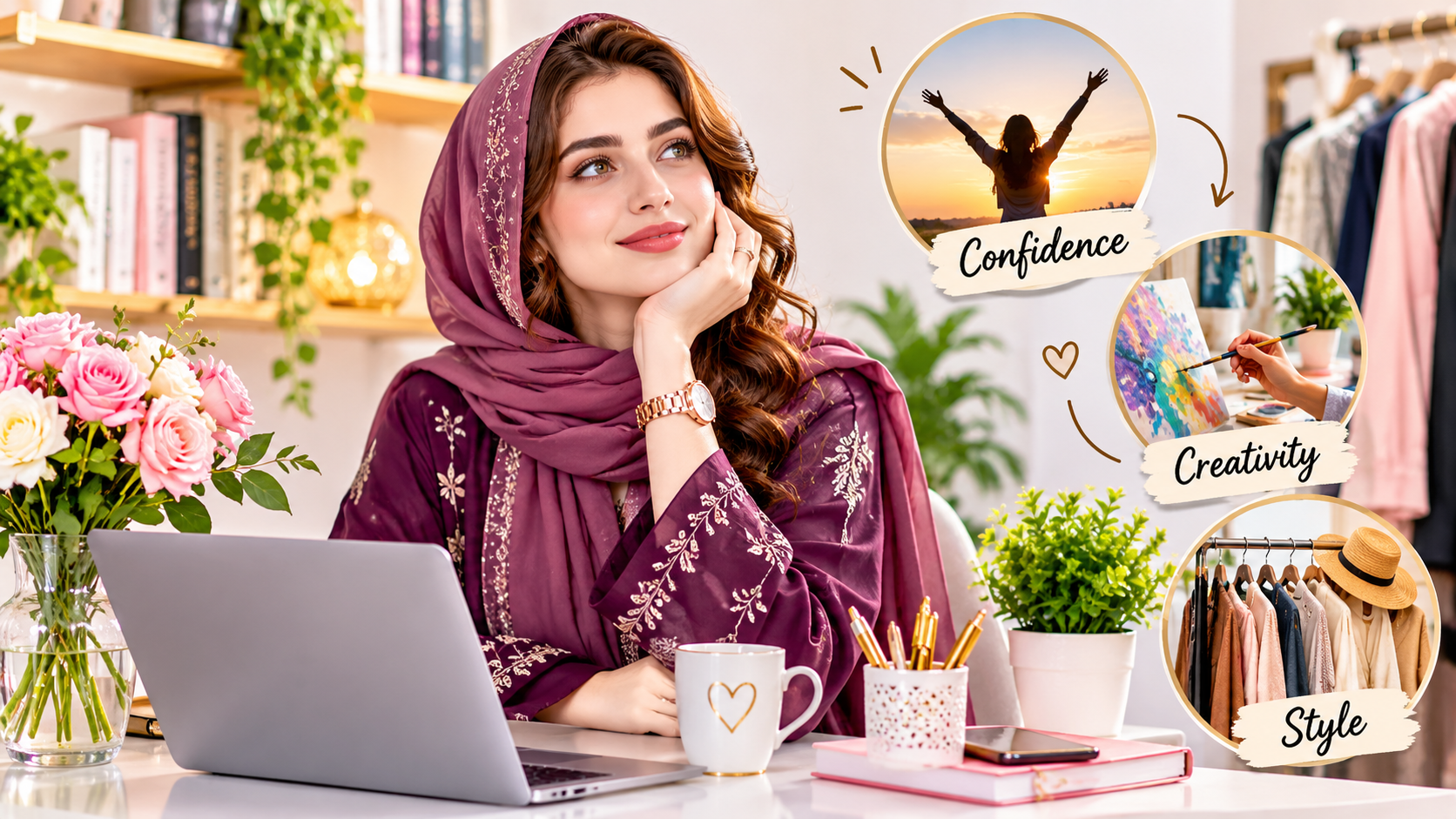

Modern life offers countless opportunities, but it also creates new challenges. People are constantly balancing professional responsibilities, personal relationships, changing trends, and the pressure to keep up with everything happening around them. In the middle of this busy environment, finding time for personal interests and meaningful experiences has become increasingly important.
Living well does not mean having a perfect home, an expensive wardrobe, or an impressive social media presence. It means creating a lifestyle that supports your happiness, reflects your personality, and gives you room to grow.
Meri and Rime explores the different elements that make modern living interesting, bringing together inspiration from fashion, beauty, wellness, creativity, and personal development.
Understanding What Living Well Really Means
Everyone has a different definition of a good life. For one person, it might involve building a successful career. For another, it could mean spending more time with family, traveling, developing creative interests, or enjoying a peaceful home environment.
The important thing is recognizing that there is no universal lifestyle formula.
People sometimes make decisions based on what they see others doing. They purchase products because they are popular, follow routines because influencers recommend them, or pursue goals that do not necessarily match their own interests.
A more fulfilling approach begins with self-awareness. Think about what makes you happy, which activities give you energy, and what changes would improve your everyday experience.
Fashion as an Expression of Individuality
Fashion has the ability to transform ordinary moments into opportunities for self-expression. The clothes people choose can communicate creativity, confidence, and personal taste.
However, developing a personal wardrobe requires more than following seasonal trends. It involves understanding which styles suit your preferences and daily activities.
Some people enjoy minimalist outfits with neutral colors and clean shapes. Others prefer expressive patterns, bold accessories, and unexpected combinations. Both approaches can be stylish when they reflect the person wearing them.
A useful wardrobe should also be practical. Consider investing in clothing that can be combined in several ways rather than purchasing individual pieces for only one occasion.
Accessories can help introduce variety without completely changing an outfit. A handbag, scarf, watch, or pair of shoes can give familiar clothing a different appearance.
Creating a More Thoughtful Beauty Routine
Beauty is often presented as a complicated process involving numerous products and constantly changing techniques. In reality, an effective personal routine can be simple.
Understanding your skin and hair needs is a sensible starting point. Choose products carefully, pay attention to how your skin responds, and avoid introducing too many new items simultaneously.
Skincare basics such as gentle cleansing, moisturizing, and daytime sun protection can form a practical foundation. Hair care should similarly reflect individual needs, lifestyle, and personal preferences.
Makeup is another area where experimentation can be enjoyable. Some people prefer subtle everyday looks, while others enjoy creative colors and dramatic finishes.
There is no requirement to follow a particular beauty standard. The best routine is one that feels comfortable and fits naturally into your life.
Designing Spaces That Support Your Lifestyle
The spaces where people spend their time can influence how they feel and behave. A thoughtfully organized environment can make everyday activities more comfortable.
Start by identifying the purpose of each room. A bedroom should encourage rest, a workspace should support concentration, and shared areas should make social interaction easier.
Interior design does not always require major renovations. Changing furniture arrangements, improving lighting, adding plants, or introducing personal photographs can create a noticeable difference.
Color also plays an important role. Soft neutral shades may create a calm atmosphere, while brighter accents can add energy and personality.
Instead of decorating according to every popular trend, choose elements that make your surroundings feel personal.
The Importance of Protecting Personal Time
One of the biggest challenges of modern living is the feeling that there is never enough time. Work messages, household responsibilities, online notifications, and social commitments can make every day feel occupied.
Creating boundaries helps protect time for activities that matter.
For example, you might decide not to check work messages during dinner or avoid unnecessary phone use before bedtime. You could also reserve a particular evening for reading, exercising, or spending time with family.
Personal time should not always be treated as a reward for completing every responsibility. Rest and recreation are important parts of maintaining a sustainable routine.
Learning to say no to unnecessary commitments can also make room for more meaningful experiences.
Finding Inspiration Through Travel and Exploration
New environments can change the way people see the world. Traveling introduces different cultures, architecture, food, traditions, and ways of living.
However, exploration does not always require international travel or expensive holidays.
A visit to a nearby town, a local art exhibition, a new restaurant, or a scenic outdoor location can provide a refreshing experience.
Photography is one way to preserve these moments. It also encourages people to notice details they might otherwise overlook, such as interesting building designs, natural textures, or beautiful light.
Exploring unfamiliar places can make life feel more adventurous while helping people discover new interests.
Building a Healthier Relationship With Technology
Technology makes modern life more convenient, but constant digital activity can become distracting.
People often spend significant time switching between applications, watching short videos, and checking notifications. Although these activities can provide entertainment, excessive screen time may leave less room for offline experiences.
A healthier digital routine begins with understanding how technology is being used.
Consider turning off unnecessary notifications, organizing applications, and setting aside periods without screens. Use online platforms to learn, communicate, discover useful information, and explore creative interests.
Following thoughtful lifestyle publications can also make digital browsing more productive. Instead of consuming repetitive content, choose resources that introduce new ideas and practical knowledge.
Wellness Beyond Physical Appearance
Wellness should not be limited to appearance or fitness goals. It includes physical health, emotional balance, social connections, and the ability to manage everyday responsibilities.
Regular movement is an important part of a healthy lifestyle. Walking, swimming, cycling, stretching, and dancing are examples of activities that can be adapted to different interests and fitness levels.
Food choices matter as well. A varied diet with nourishing ingredients can support everyday energy and overall health.
Mental well-being deserves equal attention. Maintaining relationships, taking breaks, spending time outdoors, and asking for support when needed can contribute to emotional health.
A realistic wellness routine is more valuable than a complicated plan that cannot be maintained.
Making Creativity Part of Everyday Life
Creativity is not reserved for professional artists or designers. It can be part of ordinary activities.
Preparing an attractive meal, arranging flowers, decorating a room, writing in a journal, or experimenting with photography can all provide opportunities for creative expression.
Creative activities also encourage people to focus on the present moment. Instead of constantly thinking about deadlines and responsibilities, they provide time to explore ideas without worrying about immediate results.
Try choosing one activity that interests you and making time for it regularly. Over time, a simple hobby can become an enjoyable part of your identity.
Developing a Lifestyle That Can Grow With You
Personal preferences change as people gain experience and enter different stages of life. A style that felt perfect several years ago may no longer reflect current interests. Daily priorities can change as careers, relationships, and responsibilities develop.
This is a natural part of personal growth.
Rather than feeling pressured to maintain an unchanging image, allow yourself to explore new possibilities. Update your routines when necessary, reconsider old habits, and remain curious about different experiences.
A flexible lifestyle makes it easier to respond to change without losing sight of personal values.
Conclusion
Living well is an individual journey shaped by everyday decisions, personal interests, and meaningful experiences. Fashion, beauty, wellness, travel, creativity, and technology can all contribute to a lifestyle that feels more balanced and enjoyable.
Meri and Rime encourages readers to look beyond temporary trends and discover ideas that support their own version of modern living. There is no need to change everything at once or measure your happiness against someone else's achievements.
Start by making thoughtful choices, protecting your personal time, and exploring activities that genuinely interest you. A fulfilling lifestyle is not about having everything. It is about making the most of what matters to you.
Frequently Asked Questions (FAQs)
1. What does modern living mean?
Modern living involves adapting everyday habits, personal interests, and responsibilities to create a comfortable and fulfilling lifestyle. It can include fashion, technology, wellness, creativity, and personal development.
2. How can I develop a personal fashion identity?
Explore different styles, identify clothing that makes you comfortable, experiment with accessories, and select pieces that reflect your personality rather than following every trend.
3. Why is personal time important?
Personal time allows individuals to rest, explore hobbies, maintain relationships, and focus on activities outside their responsibilities. It can support emotional balance and overall well-being.
4. How can technology become part of a healthier routine?
Set reasonable screen-time boundaries, turn off unnecessary notifications, and use digital platforms for learning, communication, creativity, and useful information.
5. Does a balanced lifestyle require expensive changes?
No. Many meaningful improvements involve simple decisions, such as organizing your surroundings, walking regularly, preparing nutritious meals, and making time for enjoyable activities.
6. How can creativity improve everyday life?
Creative activities provide opportunities for self-expression, relaxation, and learning. Hobbies such as writing, cooking, photography, and gardening can make daily routines more interesting.
7. Why should lifestyle habits change over time?
Personal needs, interests, and responsibilities evolve. Adjusting routines and priorities helps ensure that your lifestyle continues to reflect your current circumstances and goals.

