

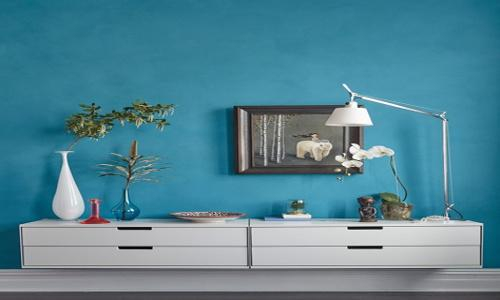
Interior Paint: How to Transform Your Home with the Right Colors and Finishes

Walls have a major influence on the overall appearance and atmosphere of a home. The right paint color can make a room feel brighter, create a relaxing environment, highlight architectural details, or bring different design elements together. Beyond appearance, a suitable coating also helps protect interior surfaces and makes routine maintenance easier.
Choosing the right Interior Paint requires more than finding an attractive color. Homeowners and painting professionals should consider room usage, lighting conditions, surface preparation, paint formulation, and the desired finish. Understanding these details helps create interiors that look attractive while meeting the practical needs of everyday living.
Start with the Purpose of Each Room
Every room serves a different purpose, so the same paint selection may not be suitable throughout the entire house. A bedroom may need a calming appearance, while a kitchen or hallway may require a coating that handles frequent cleaning and everyday contact.
Before selecting colors or finishes, consider how each space is used, how much natural light it receives, and how frequently its walls are likely to need cleaning.
Living Rooms and Family Spaces
Living rooms are often central gathering areas where family members relax and guests spend time. Warm neutrals, soft grays, earthy shades, and subtle colors can create a welcoming atmosphere.
If you want to introduce a stronger color, consider using it on one accent wall rather than throughout the entire room. This can add personality without making the space feel visually crowded.
Bedrooms and Private Spaces
Bedrooms generally benefit from colors that support a comfortable and peaceful environment. Muted blues, soft greens, warm whites, beige, and gentle gray shades are popular choices for creating a relaxed appearance.
Consider the furniture, curtains, flooring, and lighting when selecting a bedroom color. Testing a sample on the wall can help you understand how the shade looks during both daytime and evening hours.
Kitchens and Dining Areas
Kitchens experience regular activity, cooking residue, splashes, and frequent cleaning. A washable interior coating can be useful in these spaces, especially around areas that receive regular contact.
Dining areas offer more flexibility for decorative colors. You can coordinate wall shades with furniture, lighting, cabinets, and flooring to create a consistent design.
Hallways and Entryways
Hallways and entryways often experience more contact than other areas of the home. People regularly pass through these spaces, making wall marks and fingerprints more common.
Consider a finish with suitable cleaning performance and a color that connects the surrounding rooms. Light neutral shades can help narrow hallways feel more open, while darker accents may add definition around doors and architectural details.
Understanding Interior Paint Formulations
Paint formulation influences application, appearance, drying characteristics, and maintenance. Different products are designed for different surfaces and performance requirements.
Water-Based Interior Paint
Water-based paints are commonly used for interior walls and ceilings. Many are easy to apply and allow tools to be cleaned with water while the coating is still wet.
They are available in several finishes and performance levels. Some products are designed for general wall coverage, while others offer improved washability or specific decorative properties.
Acrylic Interior Paint
Acrylic paints use acrylic resins as part of their formulation. Depending on the product, they may provide good adhesion, color retention, and resistance to everyday wear.
They are available for different interior applications, including walls and selected surfaces that require a particular finish. Always check the product label to confirm suitability.
Interior Enamel Paint
Interior enamel coatings are often selected for doors, trim, cabinets, and other surfaces where a harder or more durable finish is desired. They may be available in water-based and solvent-based formulations.
Proper surface preparation is especially important when applying enamel. Cleaning, sanding, and priming may be necessary depending on the existing surface and the product selected.
Interior Primer
Primer is a preparatory coating applied before the finishing paint when required. It can help improve adhesion, create a more uniform surface, and support coverage over repaired or stained areas.
Different primers are designed for drywall, wood, masonry, and other materials. Choose a primer that is compatible with both the surface and the finishing paint.
How Paint Finishes Affect Interior Appearance
Paint finish determines how much light a surface reflects and can influence how visible small imperfections appear. It also affects cleaning and maintenance, depending on the product formulation.
Flat Finish
Flat paint reflects very little light and creates a soft, non-reflective appearance. It can help reduce the visibility of minor wall imperfections, making it a useful option for certain ceilings and low-traffic areas.
Traditional flat finishes may be more difficult to clean, although some modern products offer improved washability. Review the product specifications before choosing one for frequently used spaces.
Matte Finish
Matte finishes provide a smooth, understated appearance with limited reflection. They are often selected for contemporary interiors and spaces where a subtle decorative effect is preferred.
Matte coatings can be suitable for bedrooms and living spaces, depending on their durability and cleaning characteristics.
Eggshell Finish
Eggshell finishes offer a slight sheen that sits between flat and satin. They are commonly considered for living rooms, dining rooms, and bedrooms where a balanced appearance is desired.
Satin Finish
Satin finishes reflect more light than eggshell and can be practical for areas that receive regular use. Depending on the product, they may offer better resistance to routine cleaning.
Because satin surfaces reflect more light, proper wall preparation is important. Uneven patches and repair marks may become more noticeable under certain lighting conditions.
Semi-Gloss Finish
Semi-gloss paint creates a more reflective appearance and is commonly used for trim, doors, cabinets, and selected interior surfaces. It can be easier to clean than some lower-sheen finishes, depending on the formulation.
It also highlights surface imperfections more readily, so careful preparation is recommended before application.
Choosing Colors That Work with Your Interior Design
Color selection is one of the most noticeable decisions in an interior painting project. A suitable shade can connect furniture, flooring, lighting, and decorative accessories to create a coordinated appearance.
Use Neutral Colors as a Foundation
White, beige, cream, taupe, and gray are flexible choices for many interiors. They can provide a clean background for furniture and decorations while allowing other design elements to stand out.
Neutral colors are also useful when planning a consistent appearance across connected rooms.
Introduce Accent Colors Carefully
Accent colors can create visual interest without requiring a complete change throughout the home. A darker shade behind a bed, sofa, or dining area can help define a particular section of a room.
Choose accent colors that complement the main wall shade and existing furnishings. Testing the combination before painting can help avoid unexpected contrasts.
Consider Warm and Cool Undertones
Colors may have warm, cool, or neutral undertones. Two shades that appear similar on a small sample can look very different when applied across a large wall.
Warm whites may complement wood furniture and earthy decorations, while cooler whites can work well with modern gray or blue color schemes. Consider the undertones of nearby flooring, countertops, and furniture when selecting a shade.
Why Lighting Matters When Selecting Interior Paint
Lighting can change how paint colors appear throughout the day. Natural sunlight, warm artificial bulbs, cool LED lighting, and room orientation can all influence the final appearance.
A color that looks bright in a well-lit showroom may appear darker in a room with limited windows. Similarly, warm lighting can make certain neutral shades look more yellow or creamy.
For better results:
- Test paint samples directly on the intended wall.
- Observe samples during morning, afternoon, and evening hours.
- Compare colors under the lighting used most frequently.
- Consider how nearby furniture and flooring influence the appearance.
- Avoid selecting a complete color scheme based only on a small printed sample.
Preparing Interior Walls Before Painting
Good preparation is essential for achieving a consistent finish. Applying paint over dust, grease, loose material, or damaged surfaces can affect adhesion and appearance.
Inspect the Existing Surface
Check the walls for cracks, holes, peeling paint, water stains, and other imperfections. Identify underlying moisture problems or structural damage before beginning the painting process.
Clean the Walls
Remove dust, dirt, grease, and other contaminants using an appropriate cleaning method. Allow the surface to dry completely before applying primer or paint.
Repair Cracks and Holes
Use a suitable repair compound to fill small holes and cracks. Once the material has dried, sand the repaired areas as recommended to create a smooth transition.
Sand and Prime When Necessary
Sanding can help smooth rough areas and prepare certain surfaces for a new coating. Primer may be required for new drywall, repaired sections, stained surfaces, or significant color changes.
Protect Floors and Furniture
Use drop cloths, painter's tape, and suitable coverings to protect floors, furniture, fixtures, and nearby surfaces. Removing or covering items before painting helps reduce cleanup work.
Choosing the Right Tools for Interior Painting
The right application equipment helps distribute paint evenly and makes the work more manageable. Select tools based on the surface, paint type, and size of the project.
- Paint brushes: Useful for corners, edges, trim, doors, and detailed areas.
- Paint rollers: Help cover large wall and ceiling sections efficiently.
- Roller covers: Available in different nap lengths for smooth and textured surfaces.
- Paint trays: Make it easier to load rollers with a controlled amount of paint.
- Extension poles: Help reach higher walls and ceilings.
- Painter's tape: Protects adjacent surfaces and helps create clean boundaries.
- Putty knives: Assist with filling and repairing suitable wall imperfections.
- Sanding tools: Help prepare repaired and uneven surfaces.
How to Apply Interior Paint for a Consistent Finish
Once the surface has been prepared and the correct tools are available, follow a systematic application process.
- Prepare the paint: Stir the product thoroughly according to the manufacturer's instructions.
- Cut in around edges: Use a suitable brush around corners, trim, and ceiling lines.
- Apply paint with a roller: Work in manageable sections and maintain consistent coverage.
- Maintain a wet edge: Work methodically to reduce visible overlap marks.
- Allow the first coat to dry: Follow the recommended drying time before applying another coat.
- Inspect the surface: Check for missed areas and uneven coverage once the coating has dried.
- Complete touch-ups: Apply additional paint where needed, following product instructions.
Temperature, humidity, surface condition, and ventilation can influence drying time. Always use the instructions on the selected paint container rather than assuming every product dries at the same rate.
How to Estimate the Amount of Interior Paint Required
Estimating paint quantity before starting helps prevent unnecessary purchases and interruptions. Begin by measuring the width and height of each wall to calculate the approximate surface area.
Subtract large openings such as doors and windows when appropriate. Then check the coverage information on the paint container and calculate the quantity based on the number of coats required.
Keep these factors in mind:
- Total wall and ceiling area.
- Number of coats recommended by the manufacturer.
- Surface texture and porosity.
- Whether a primer or sealer is required.
- Coverage information provided for the selected paint.
Rough or highly absorbent surfaces may require more paint than smooth, previously painted walls. A little planning can help reduce waste and make it easier to complete the project with consistent materials.
Maintaining Painted Walls After the Project
Regular maintenance can help preserve the appearance of painted surfaces. Dust walls periodically using a soft cloth or suitable cleaning tool. For marks and stains, follow the cleaning recommendations provided by the paint manufacturer.
Test cleaning methods in an inconspicuous area before treating a larger section. Aggressive scrubbing and unsuitable cleaning chemicals can damage certain finishes or create visible patches.
Keeping leftover paint properly labeled can also make future touch-ups easier. Record the product name, color, finish, and application area, and store the container according to the manufacturer's instructions.
Common Interior Painting Problems and How to Prevent Them
Some painting problems are related to poor preparation, unsuitable application methods, or environmental conditions. Understanding their causes can help prevent unnecessary rework.
- Uneven coverage: Can result from inconsistent application, insufficient preparation, or inadequate coating thickness.
- Visible roller marks: May occur when paint is applied unevenly or the roller is unsuitable for the surface.
- Peeling paint: Can be associated with moisture, poor adhesion, or an inadequately prepared surface.
- Blistering: May occur because of trapped moisture, heat, or other surface conditions.
- Visible brush marks: Can result from unsuitable brushes, excessive brushing, or incorrect paint application.
- Color differences: May occur when paint batches, application methods, or drying conditions differ.
Address the underlying cause before repainting. Simply applying another coat over an existing problem may not provide a lasting solution.
Find Interior Paint Options at Ortega Paint
Choosing suitable paint products is an important part of creating attractive and practical indoor spaces. From refreshing a single bedroom to repainting an entire property, the right combination of color, finish, and surface preparation can make a noticeable difference.
Ortega Paint provides an interior paint selection for customers planning indoor painting and home improvement projects. Before choosing a product, consider the room's purpose, surface condition, desired appearance, and cleaning requirements. Reviewing product details can help you identify a coating that matches your application.
Whether you are updating living room walls, refreshing a bedroom, improving kitchen surfaces, or planning a complete interior makeover, explore the Interior Paint selection at Ortega Paint. With thoughtful color selection, proper preparation, and suitable application tools, you can create indoor spaces that look fresh, coordinated, and comfortable for everyday living.

