

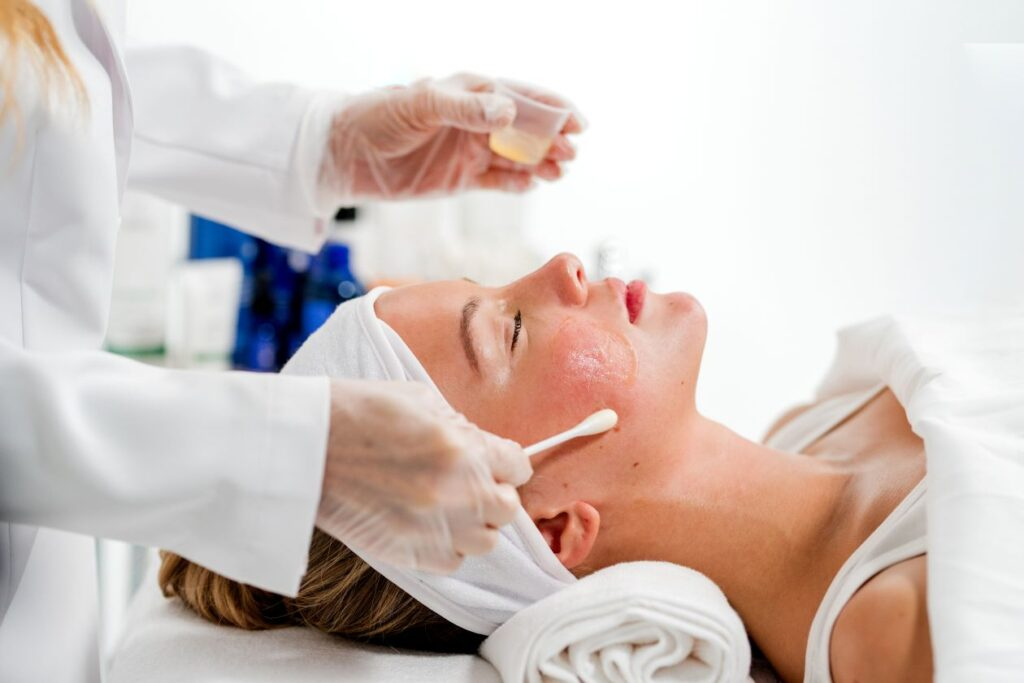

Chemical exfoliation can improve skin texture, but it is not suitable for every skin condition or situation. Understanding when to avoid a glycolic acid peel helps reduce the risk of irritation and unwanted skin reactions. For individuals exploring a Glycolic Acid Peel in Dubai, Dynamic Clinic in Dubai provides an advertorial point of reference for learning about professional skin treatments and their suitability.
When the Skin Barrier Is Already Damaged
A healthy skin barrier helps protect the skin from moisture loss, irritants, and environmental factors. When this barrier is damaged, glycolic acid may cause excessive discomfort because the skin becomes more sensitive to active ingredients.
Common signs of a weakened skin barrier include:
-
Persistent dryness or flaking
-
Redness and unusual sensitivity
-
Burning or stinging after applying skincare products
-
Rough or irritated skin patches
-
Increased discomfort after cleansing
Using an exfoliating acid during this period may increase irritation. It is generally better to restore the skin barrier before considering chemical exfoliation.
During Active Acne Inflammation
Glycolic acid is sometimes used in skincare routines for acne-prone skin because it helps remove dead skin cells and improve clogged pores. However, active inflammatory acne requires careful consideration.
People with painful cystic acne, open acne lesions, or widespread inflammation should avoid applying a glycolic acid peel without professional guidance. The exfoliating action may increase discomfort and irritate already inflamed areas.
A qualified skincare professional can assess whether the acne needs medical treatment or whether a gentler exfoliation approach is more appropriate.
If You Have Sunburn or Recent Sun Exposure
Sunburned skin is already inflamed and vulnerable. Applying glycolic acid to recently sun-damaged skin can increase burning, redness, and peeling.
People who spend long hours outdoors in Dubai should pay particular attention to sun exposure before scheduling an exfoliating treatment. Strong sunlight and heat can also make post-treatment skin care more challenging.
A peel should generally be postponed until:
-
Sunburn and redness have completely settled.
-
The skin no longer feels hot or tender.
-
There is no active peeling from sun damage.
-
The skin has returned to its usual condition.
Daily broad-spectrum sunscreen is also important when using exfoliating acids.
When You Have Certain Skin Conditions
Some skin conditions can make chemical exfoliation unsuitable, particularly during active flare-ups. Conditions that require additional caution include:
-
Eczema: Inflamed, itchy, or cracked skin may react poorly to glycolic acid.
-
Rosacea: Sensitive skin may experience increased redness, burning, and irritation.
-
Psoriasis: Active plaques and damaged skin areas should not be exposed to exfoliating acids without medical advice.
-
Dermatitis: Existing inflammation can become more uncomfortable after chemical exfoliation.
Having one of these conditions does not automatically mean that every glycolic acid treatment is unsuitable. However, the skin should be assessed before proceeding.
If You Have Recently Undergone Another Skin Treatment
Combining multiple exfoliating or resurfacing procedures too closely can place additional stress on the skin. Treatments such as laser resurfacing, microneedling, waxing, and other chemical peels may temporarily affect the skin barrier.
Applying glycolic acid before the skin has recovered can increase sensitivity and prolong irritation.
Before scheduling a peel, consider whether you have recently undergone:
-
Laser skin treatments
-
Microdermabrasion
-
Microneedling
-
Another chemical peel
-
Facial waxing or intensive exfoliation
The appropriate waiting period depends on the procedure, skin condition, and recovery progress. Professional advice is important when planning treatments that affect the same skin area.
During Pregnancy or Breastfeeding Without Medical Advice
Pregnancy and breastfeeding can involve changes in skin sensitivity and pigmentation. Although glycolic acid is commonly used in topical skincare, the concentration, formulation, application area, and treatment method all matter.
People who are pregnant or breastfeeding should discuss professional chemical peels with a qualified healthcare professional before proceeding. This is particularly important for stronger formulations used in clinical settings.
A personalised assessment can help determine whether exfoliation is appropriate or whether postponing treatment is a better option.
If You Have a History of Post-Inflammatory Hyperpigmentation
Post-inflammatory hyperpigmentation occurs when the skin produces excess pigment following inflammation or injury. It can leave dark marks after acne, irritation, or other skin conditions.
Glycolic acid may help improve uneven pigmentation in selected individuals. However, excessive exfoliation can trigger inflammation and make discoloration more noticeable.
People who develop dark marks easily, including those with deeper skin tones, should be especially careful about peel strength and treatment frequency.
A professional assessment can help identify the risk of pigmentation changes and determine an appropriate exfoliation approach.
When You Are Using Strong Active Skincare Ingredients
Using several active ingredients together can increase the likelihood of skin irritation. Retinoids, exfoliating acids, benzoyl peroxide, and other intensive skincare products may affect the skin barrier.
Combining them with a glycolic acid peel without proper guidance can lead to dryness, redness, peeling, and discomfort.
It is important to review your current skincare routine before treatment. A professional can advise which products may need temporary adjustment and when they can be safely reintroduced.
Conclusion
Knowing when to avoid a glycolic acid peel is important for maintaining skin health and reducing unnecessary irritation. Active inflammation, sunburn, damaged skin barriers, certain skin conditions, and recent cosmetic procedures may all require postponing treatment. A professional skin assessment helps determine suitability, appropriate peel strength, and the right time for exfoliation. Careful preparation and suitable aftercare also support healthier skin responses.

