

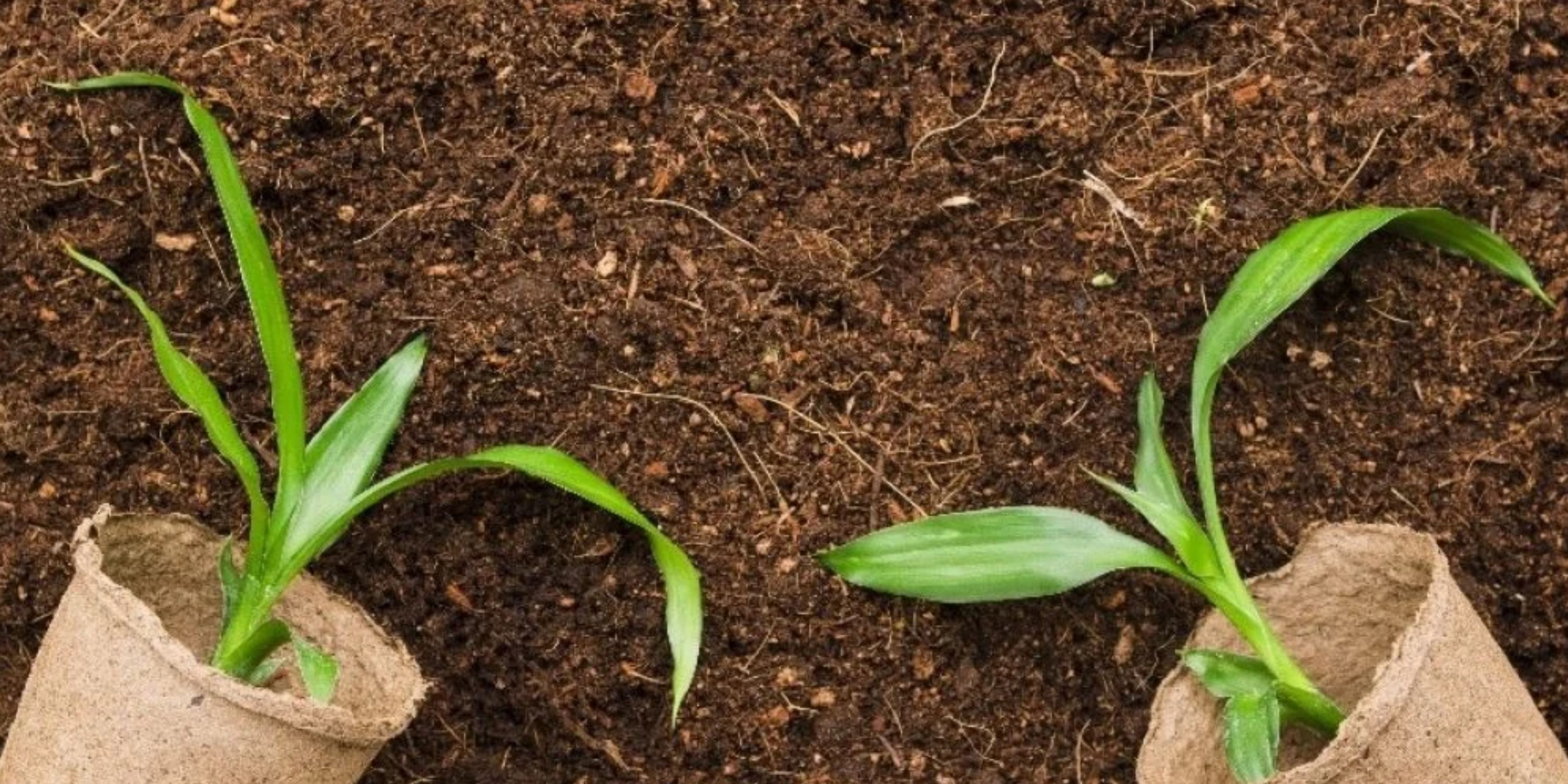
Healthy plant growth begins with the right growing environment. Roots need a steady supply of moisture, enough air, and room to develop. This is one reason coco coir for planting has become a popular choice among home gardeners, greenhouse operators, and commercial growers. Made from coconut husks, this natural growing medium offers a useful balance of water retention and aeration. When processed to meet suitable quality standards, it can support different cultivation methods and help growers manage their growing conditions more effectively.
Key Growing Benefits of Coconut Fiber
1. Maintains Moisture Around Plant Roots
Plants need consistent access to water, but too much moisture can create problems around the roots. Coconut coir absorbs and holds water, helping the growing medium remain moist between irrigation cycles. This can make water management easier, particularly in containers and greenhouse systems.
The amount of water retained depends on the coir's quality, texture, and blend. Growers should adjust irrigation according to the plant's needs and the growing environment.
2. Allows Better Airflow Around Roots
Roots need oxygen to grow and function properly. A growing medium that becomes too compact can limit airflow and affect root development.
The fibrous structure of coconut-based substrates helps create air spaces within the growing medium. These spaces allow better air movement around the root zone and help maintain a suitable balance between moisture and oxygen.
3. Supports Effective Water Drainage
Good drainage is important because excess water can remain around roots when a substrate does not drain properly. Quality coir allows surplus water to move through the growing medium while retaining moisture for plant use.
This makes it useful for growing bags, containers, greenhouse beds, and other cultivation setups. Some growers also select coir blends containing perlite or coco chips to achieve a different balance of drainage and aeration.
4. Provides a Lightweight Growing Solution
Coconut fiber is relatively lightweight compared with many traditional soil-based growing materials. This makes it easier to handle, transport, and use in different planting systems.
Compressed blocks offer an additional storage and transportation advantage. They take up less space before preparation, making them a practical option for growers who purchase growing media in larger quantities.
5. Helps Maintain More Consistent Growing Conditions
The quality of a growing medium can influence how plants receive water and nutrients. Factors such as pH, electrical conductivity (EC), washing, and buffering are important when selecting coir.
Properly washed, low-EC products can help reduce concerns about excess soluble salts. Growers should review individual product specifications rather than assume that every coir product has the same properties.
6. Offers Flexibility Across Growing Systems
Different plants and cultivation methods have different requirements. Coconut fiber for plants is available in several forms, including loose-fill bags, compressed blocks, slabs, and coco chips.
Pure coir can suit growers looking for a straightforward substrate, while blends with perlite can provide a different air-to-water balance. This variety makes it easier to select a growing medium based on container size, irrigation practices, and cultivation needs.
Finding Suitable Growing Media for Different Requirements
Selecting the right product is just as important as understanding its benefits. Kaya Coir manufactures coconut-based growing media for home gardening, hydroponics, greenhouse cultivation, and commercial agriculture. Its product range includes compressed coco coir blocks, 50-litre bags, CocoLite blends containing perlite, coco chips, grow pots, and cultivation slabs.
These formats give growers options for different planting systems and production requirements. Kaya Coir also emphasizes multiple washing, buffering, in-house laboratory testing, and production monitoring as part of its quality approach. Its sustainability practices include using coconut husks, wind energy, rainwater harvesting, and water recycling. This combination of product variety and quality monitoring helps growers compare available options based on their specific growing needs.
Conclusion
Coconut-based growing media can support healthy plant development by helping retain moisture, improve aeration, and provide effective drainage. However, results depend on product quality and the requirements of each cultivation system. Growers should compare specifications, formats, and processing standards before choosing a substrate. Explore Kaya Coir range of growing media to learn more about the available solutions for different planting and cultivation needs.

