

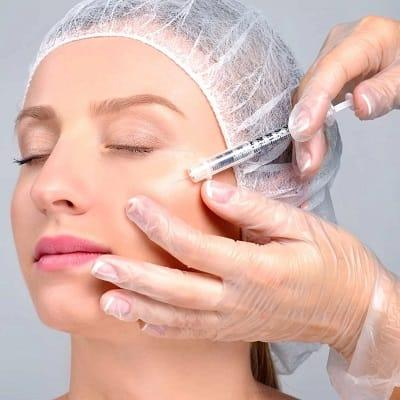

Introduction to Fat Transfer Treatment
Everyone has different aesthetic goals. Some people want to restore facial fullness, while others hope to improve selected body contours or address areas that have lost volume. Fat transfer, also known as fat grafting, offers a cosmetic option that uses a person's own fat to enhance another area of the body.
The procedure involves collecting fat from a donor site, preparing it, and carefully transferring it to a selected location. Individuals considering Fat Transfer Treatment in Islamabad should understand the procedure, its potential benefits, recovery requirements, and possible risks before making a decision.
What Is Fat Transfer Treatment?
Fat transfer is a surgical procedure that moves fat from one part of the body to another. Common donor areas include the abdomen, thighs, and flanks. These areas are assessed to determine whether enough suitable fat is available for collection.
After harvesting, the fat is processed to separate suitable fat cells from excess fluid and unwanted material. The prepared fat is then placed into the recipient area using specialized instruments.
Depending on individual needs, fat grafting may be considered for facial volume restoration, hand rejuvenation, and selected body contouring procedures. The treatment plan depends on anatomy, medical history, available donor fat, and realistic expectations.
Why People Explore Fat Transfer
Facial fullness and body proportions can change with age, genetics, and weight fluctuations. These changes may lead people to explore cosmetic options that address specific concerns.
Fat transfer may appeal to individuals who prefer using their own tissue instead of synthetic filler materials. It can also address a donor area and a recipient area during the same surgical procedure.
However, fat transfer is not suitable for every person or every cosmetic concern. A professional assessment is necessary to determine whether it is an appropriate option.
Facial Rejuvenation with Fat Grafting
One common application of fat transfer is restoring volume in selected facial areas.
Cheek Volume Enhancement
Reduced cheek fullness can make the face appear flatter or more hollow. Carefully planned fat placement may help restore volume and support facial balance.
Temple Rejuvenation
Some individuals develop hollow temples as facial volume changes over time. Fat grafting may be considered to add fullness in this area when appropriate.
Correction of Selected Facial Hollows
Fat transfer may also be considered for certain facial hollows. Areas around the eyes require particular expertise because of delicate anatomy and potential complications. A qualified surgeon should assess whether fat grafting or another treatment is more suitable.
Body Contouring and Shape Enhancement
Fat transfer may also help improve selected body contours. Depending on individual anatomy and available donor fat, treatment may be considered for the hips, breasts, or other areas.
Breast fat transfer can provide modest volume enhancement or improve certain contour differences. It does not offer the same degree of enlargement as breast implants, and patients should discuss potential complications and effects on future breast imaging.
Buttock fat transfer requires especially careful consideration. It carries a serious risk of fat embolism, which can be life-threatening. Anyone considering this procedure should discuss established safety standards, appropriate techniques that avoid intramuscular injection, and the surgeon's qualifications.
How the Treatment Procedure Is Performed
Fat transfer generally involves three main stages.
Fat harvesting: The surgeon collects fat from a suitable donor area using a liposuction technique. The amount collected depends on the patient's anatomy and treatment goals.
Fat preparation: The collected material is processed to separate suitable fat cells from excess fluids and unwanted components.
Fat placement: The prepared fat is introduced into the recipient area using specialized instruments. The surgeon carefully plans the placement to support balanced distribution.
The technique, anesthesia, and duration depend on the treatment area and the patient's individual circumstances.
Preparing for Your Treatment
Preparation begins with a detailed consultation. The surgeon reviews medical history, previous procedures, allergies, medications, and general health. The donor and recipient areas are also examined.
Patients should share a complete list of medicines and supplements. They should follow medical advice about smoking, medication adjustments, anesthesia preparation, and arranging transportation after surgery. Prescribed medicines should never be stopped without professional guidance.
This stage is also an opportunity to discuss expected outcomes, possible complications, costs, and recovery.
Recovery and Long-Term Results
After fat transfer, patients may experience swelling, bruising, tenderness, and temporary discomfort at both the donor and recipient sites. Recovery varies depending on the amount of fat transferred and the individual's healing response.
Following aftercare instructions is important. Patients may need to avoid strenuous activities and protect the treated area from unnecessary pressure. Follow-up visits allow the medical team to monitor progress.
Not all transferred fat survives. Some is naturally absorbed during healing, so the final appearance may differ from the initial result. It can take several months for swelling to settle and the outcome to become clearer. Significant weight changes and natural aging may also influence results.
Choosing Fat Transfer Treatment in Islamabad
When researching Fat Transfer Treatment in Islamabad, consider the surgeon's qualifications, relevant experience, facility standards, and approach to patient safety.
A responsible provider should explain the procedure, limitations, possible risks, recovery requirements, and follow-up arrangements. Avoid making decisions based only on promotional photographs or guaranteed-result claims.
Conclusion
Fat transfer can offer an option for restoring volume and refining selected facial and body contours using the patient's own fat. The journey begins with a professional assessment and continues through careful treatment planning, surgery, and recovery. Understanding the benefits and limitations helps patients make informed decisions about their cosmetic goals.
Frequently Asked Questions
1. What is Fat Transfer Treatment in Islamabad commonly used for?
Fat Transfer Treatment in Islamabad may be considered for restoring cheek and temple volume, improving selected body contours, and adding fullness to areas such as the hands. Suitability depends on individual medical assessment.
2. Who is a suitable candidate for Fat Transfer Treatment in Islamabad?
Fat Transfer Treatment in Islamabad may suit individuals in good general health who have enough donor fat and realistic expectations. A qualified surgeon must review medical history, anatomy, and treatment goals.
3. How long do results from Fat Transfer Treatment in Islamabad last?
Fat Transfer Treatment in Islamabad may provide long-lasting enhancement when transferred fat cells survive. However, some fat is absorbed during healing, and aging or weight changes can affect the appearance.
4. What should I expect after Fat Transfer Treatment in Islamabad?
After Fat Transfer Treatment in Islamabad, patients may experience swelling, bruising, and tenderness at the donor and recipient sites. Following aftercare instructions and attending follow-up appointments are important for monitoring recovery.
For more information visit
Enfield royal clinic in islamabad

