

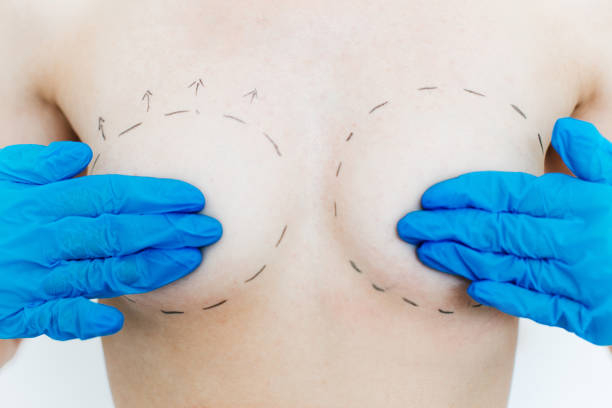

Incision placement is an important part of breast augmentation planning because it affects where surgical scars may appear and which approach a surgeon can use. The choice depends on individual anatomy, Breast Augmentation Surgery in Riyadh implant type, surgical goals, and the surgeon’s assessment. Common approaches include incisions beneath the breast fold, around the areola, and in the armpit.
For anyone researching Breast Augmentation Surgery in Riyadh, it is useful to understand that no incision method is suitable for every patient. Each approach has potential advantages and limitations, and the decision should be made with a qualified plastic surgeon after a thorough medical assessment. Elective cosmetic surgery also requires particular care for anyone who is still growing; it is generally considered only when physical development is complete and the person is an appropriate candidate.
Common Incision Options in Breast Augmentation Surgery
Surgeons generally consider three main incision locations. Each provides a different route for placing the implant and has specific considerations.
1. Inframammary Incision
The inframammary incision is made along the natural crease beneath the breast, where the breast meets the chest wall. It is commonly used because it provides direct access to the surgical area.
Potential considerations include:
-
The scar is usually positioned within the natural breast fold.
-
It provides the surgeon with good visibility and control during implant placement.
-
It can accommodate different implant types and sizes.
-
The scar may become more noticeable if it is not concealed by the breast fold.
This approach is frequently selected when precise implant positioning and surgical access are important.
2. Periareolar Incision
A periareolar incision is made along part of the border between the areola and the surrounding breast skin. The change in skin colour at this border may help make the resulting scar less noticeable.
However, this approach requires careful consideration because the incision passes through or near breast tissue and ducts. Potential concerns include changes in nipple sensation, infection, and possible effects on future breastfeeding.
The suitability of this incision depends on individual anatomy, implant requirements, and the surgeon's assessment.
3. Transaxillary Incision
The transaxillary approach involves making an incision in the armpit rather than directly on the breast. The surgeon uses this route to access the chest area and create space for implant placement.
Its main consideration is that it avoids placing a scar directly on the breast. However, reaching the surgical area from the armpit can make implant positioning more technically challenging. It may also involve additional considerations relating to sensation and future revision procedures.
The surgeon must evaluate whether this approach is appropriate for the patient's anatomy and implant requirements.
4. Transumbilical Incision: A Less Common Approach
The transumbilical approach involves accessing the breast through an incision near the belly button. It is uncommon and has significant limitations compared with the three main approaches.
It generally offers less direct access and control over implant positioning. Its suitability is also restricted by implant type and surgical technique. Patients should understand that it is not a routine option for most breast augmentation procedures.
How Do Surgeons Choose the Appropriate Incision?
Incision selection requires an individual assessment rather than relying on one method for every patient. Surgeons consider several factors before recommending an approach.
Breast Anatomy and Existing Tissue
Natural breast shape, tissue distribution, skin characteristics, and chest dimensions can influence which incision provides suitable access. Previous breast procedures may also affect the available options.
Implant Type and Size
The implant's dimensions, filling material, and insertion requirements can influence incision planning. Some implants require different access considerations, so the surgeon evaluates these details before selecting an approach.
Scar Location and Healing
Patients may have different concerns about scar placement. However, scar visibility depends on several factors, including skin characteristics, healing patterns, surgical technique, and aftercare. No incision can guarantee an invisible scar.
Surgical Access and Precision
The surgeon considers which approach provides appropriate visibility and control for the planned procedure. An incision that appears less noticeable may not necessarily be the safest or most suitable choice for every patient.
Will Breast Augmentation Incisions Leave Permanent Scars?
All surgical incisions create scars, although their appearance can change as healing progresses. Scars may initially appear more noticeable and gradually become less prominent over time.
The final appearance depends on factors such as:
-
Individual healing characteristics.
-
Incision location and surgical technique.
-
Skin type and tendency to develop raised scars.
-
Wound care and adherence to postoperative instructions.
-
Complications that may affect healing.
Patients should follow their surgeon's instructions and avoid applying products to healing incisions without professional guidance.
Possible Risks Associated With Different Incision Options
Although incision approaches differ, all surgical methods involve potential risks. These may include infection, bleeding, delayed wound healing, visible scarring, changes in breast or nipple sensation, and complications involving the implant.
Some incision locations may carry additional considerations. For example, periareolar incisions may involve breast ducts and nearby sensory structures, while transaxillary access may make implant positioning and later revision more challenging.
A qualified surgeon should explain the risks associated with the proposed approach before any treatment decision is made.
What Factors Influence Breast Augmentation Costs in Riyadh?
The overall cost of breast augmentation can depend on the surgical approach, implant type, hospital facilities, anesthesia, surgeon's experience, and postoperative care requirements.
People researching breast augmentation costs in Riyadh should understand what is included in a quoted treatment plan. A consultation can clarify the proposed procedure, expected follow-up care, and any additional medical expenses. Cost should not be the only consideration when evaluating an elective surgical procedure.
Questions to Discuss During a Medical Consultation
A consultation provides an opportunity to understand the available incision approaches and their limitations. Useful topics include:
-
Which incision locations are medically appropriate?
-
How might the proposed approach affect sensation?
-
What type of scar can be expected?
-
Could the incision affect future breastfeeding?
-
What are the possible complications and follow-up requirements?
For anyone who has not completed physical development, elective cosmetic surgery decisions should be deferred until an appropriate age and discussed with a parent or guardian and qualified medical professionals.
Conclusion
Inframammary, periareolar, and transaxillary incisions are the main approaches used in breast implant surgery, while transumbilical access is less common. Each method has different considerations involving scar placement, surgical access, sensation, and potential complications. Understanding these differences is essential when learning about Breast Augmentation Surgery in Riyadh. Any decision about an elective procedure should follow a careful medical assessment, realistic expectations, and a clear discussion of risks.
Book an Appointment Consultation
For those seeking medical information and professional guidance, a consultation with a qualified healthcare professional at Enfield Royal Riyadh can provide an opportunity to discuss individual questions, treatment considerations, and safety.
Frequently Asked Questions
1. What is the most common incision for breast augmentation?
The inframammary incision, placed beneath the breast fold, is widely used because it provides direct surgical access.
2. Can breast augmentation scars disappear completely?
Scars are permanent, but their appearance often becomes less noticeable as the healing process progresses.
3. Does the incision location affect nipple sensation?
It can. Some approaches involve nearby sensory structures, so potential changes should be discussed with a surgeon.
4. Which incision avoids a scar on the breast?
The transaxillary approach places the incision in the armpit, although it has its own surgical considerations.
5. How is the right incision option selected?
The surgeon considers anatomy, implant requirements, medical history, scar concerns, and the risks of each approach.

