

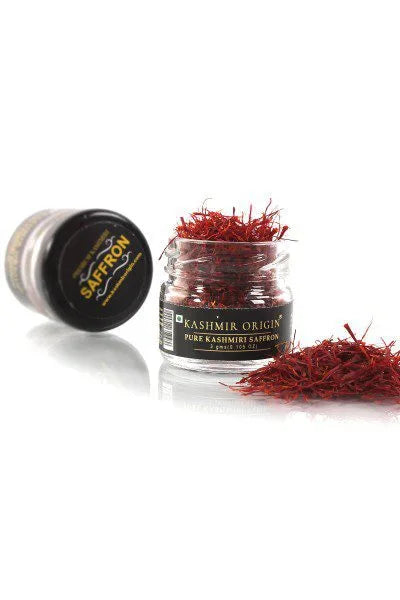
Pure Kashmiri Saffron Price: A Complete Guide to Quality, Grades and Buying Tips

Kashmiri saffron is one of the most valuable spices in the world. Popularly known as Kashmiri Kesar, it is famous for its rich aroma, natural colour, distinctive flavour, and traditional importance. Grown mainly in the Kashmir Valley, this precious spice is widely used in Indian cooking, sweets, beverages, and traditional recipes.
When customers search for the pure Kashmiri saffron price, they usually want to understand how much genuine saffron costs, what makes it special, and how to identify its quality. The price depends on several factors, including saffron grade, origin, harvesting methods, packaging, and purity.
Whether you are purchasing saffron for home use, gifting, or business purposes, understanding these factors can help you make the right choice.
What Makes Kashmiri Saffron Special?
Kashmiri saffron comes from the Crocus sativus flower. The delicate red threads are carefully collected from the flower and dried using traditional methods. Producing saffron requires considerable manual effort because each flower produces only a small quantity of the spice.
Kashmir is particularly famous for saffron cultivation in Pampore, located in the Pulwama district. The region's geographical conditions and traditional farming practices contribute to the distinctive qualities of its saffron.
Kashmiri saffron is appreciated for:
- Deep red-coloured threads
- Distinctive natural fragrance
- Rich golden-yellow colour when infused
- Unique flavour and aroma
- Traditional harvesting and processing methods
Kashmir saffron received a Geographical Indication (GI) tag in 2020, recognising its regional identity and origin.
Pure Kashmiri Saffron Price Per Gram
The pure Kashmiri saffron price depends on its grade, quality, and seller. Premium Mongra saffron generally costs more than standard Lacha varieties because it contains the red stigma portions of the flower.
As a general retail reference in late 2026, genuine Kashmiri Mongra saffron may cost approximately ₹450 to ₹700 per gram. Premium branded and specially packaged varieties can cost more. Lacha saffron is generally available at a lower price.
These are indicative market ranges rather than fixed prices. Actual rates can change depending on the harvest, packaging, quality certification, and seller.
Customers should compare the price per gram instead of looking only at the total packet price. This makes it easier to understand the actual value of the product.
Different Grades of Kashmiri Saffron
Understanding saffron grades is important when comparing prices. Different varieties have different appearances, characteristics, and market values.
1. Mongra Saffron
Mongra is considered a premium grade of Kashmiri saffron. It consists mainly of the deep red stigma portions of the flower. It is valued for its colour strength, aroma, and quality.
People looking for premium saffron for special dishes, traditional recipes, and gifting often prefer Mongra.
2. Lacha Saffron
Lacha saffron contains red stigma portions with some yellow style attached. It is commonly used in cooking and traditional preparations.
Its price is generally lower than premium Mongra because of the difference in composition and grading.
3. Guchhi Saffron
Guchhi saffron is traditionally presented in small bunches of saffron threads. It is another form available in traditional markets and may differ in appearance and preparation from separated grades.
Knowing these varieties helps customers select saffron according to their requirements and budget.
Factors That Affect Pure Kashmiri Saffron Price
Several factors influence the market price of genuine Kashmiri saffron.
1. Quality and Grade
Premium saffron grades generally have higher market value. The colour, aroma, thread quality, and composition all influence the price.
2. Origin
Authentic saffron grown in Kashmir has a recognised regional identity. Pampore is one of the most famous saffron-producing areas in the region.
3. Harvesting Process
Saffron harvesting involves carefully collecting delicate threads from flowers. The process requires time, attention, and manual effort.
4. Purity
Pure saffron without artificial colours, fillers, or other unwanted materials is more valuable than mixed or adulterated products.
5. Packaging
Properly sealed and branded packaging helps protect saffron from moisture, light, and external contamination. Premium packaging may also increase the final retail price.
6. Certification and Testing
GI-related origin information and laboratory quality reports can help customers understand what they are purchasing. Proper documentation may also influence the product's market value.
How to Identify Pure Kashmiri Saffron
Before purchasing saffron, it is important to check its quality and authenticity. Since genuine saffron is expensive, some products may be mixed with other materials or sold with misleading labels.
Here are a few useful checks:
Check the Threads: Genuine saffron usually has natural variations in thread shape and colour. Avoid products that appear unnaturally uniform.
Observe the Aroma: Pure saffron has a distinctive sweet, floral, and earthy fragrance.
Try the Water Test: Place a few threads in a glass of water. Genuine saffron releases a golden-yellow colour gradually, while the threads generally retain their red colour. An instant release of strong artificial colour can be a warning sign.
Check the Packaging: Look for the product's origin, grade, weight, batch details, and seller information.
Ask for Certification: Prefer sellers who can provide relevant GI origin details and laboratory reports for the product.
No single home test can conclusively prove purity. Buying from a trusted seller and checking proper documentation are important steps.
Benefits and Uses of Pure Kashmiri Saffron
Kashmiri saffron is widely used in cooking because of its natural colour, fragrance, and flavour. A small quantity is generally enough to enhance different preparations.
Kesar Milk: Saffron is commonly added to warm milk to create a fragrant traditional beverage.
Biryani and Pulao: It adds a beautiful golden colour and distinctive aroma to rice dishes.
Traditional Sweets: Saffron is used in kheer, phirni, kulfi, and various Indian desserts.
Kashmiri Kahwa: It is an important ingredient in traditional Kashmiri kahwa, which is prepared with green tea and aromatic spices.
Festive Recipes: Many families use saffron in special dishes prepared for celebrations, weddings, and festivals.
Saffron is valued as a culinary ingredient, but it should not be considered a replacement for medical treatment.
Tips for Buying Pure Kashmiri Saffron
Choosing the right seller is just as important as comparing the price. Keep these points in mind before purchasing:
- Buy from an established and reliable seller.
- Check whether the product clearly mentions Kashmiri origin.
- Compare Mongra and Lacha grades before making a decision.
- Look for sealed packaging with batch and weight details.
- Ask whether a laboratory quality report is available.
- Avoid products offered at unusually low prices.
- Compare the cost per gram across different sellers.
These simple steps can help you find good-quality saffron and avoid misleading products.
How to Store Kashmiri Saffron
Proper storage helps maintain the fragrance and quality of saffron. Keep it in an airtight container and store it in a cool, dry, and dark place.
Avoid exposing saffron to direct sunlight, moisture, and excessive heat. Always close the container properly after use.
It is also better to purchase an appropriate quantity according to your usage rather than storing large amounts for a long time.
Conclusion
Understanding the pure Kashmiri saffron price helps customers make informed purchasing decisions. The cost depends on the grade, purity, origin, harvesting process, and packaging. Premium Mongra saffron generally has a higher price, while Lacha offers another option for everyday cooking.
When purchasing Kashmiri saffron, always check its origin, appearance, packaging, and quality information. Choosing a reliable seller is essential for getting an authentic product.
With its distinctive aroma, rich colour, and cultural importance, pure Kashmiri saffron remains a valuable addition to traditional recipes and special occasions.

