

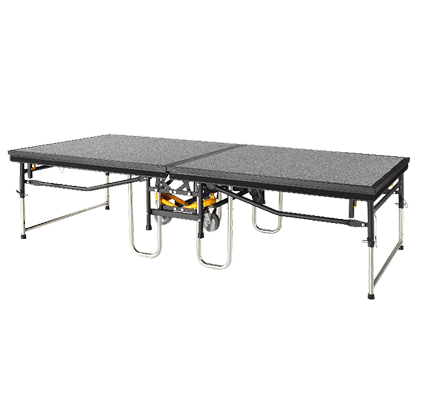
The Pop-Up Performance Revolution: How a Staging Platform and Portable Stage Platform Are Changing Modern Event Spaces

Quick Summary
Modern events are no longer limited to traditional auditoriums and permanent stages. Schools, businesses, community centers, and event organizers increasingly need performance spaces that can adapt to different activities. A well-designed staging platform provides a raised, organized area for presentations and performances, while portable solutions make it easier to transform ordinary locations into temporary event venues. These flexible systems support concerts, conferences, school programs, product launches, and community celebrations without requiring permanent construction.
How a Staging Platform and Portable Stage Platform Are Changing Modern Event Spaces
The way people organize events has changed significantly. A school gymnasium can become a concert venue, a conference room can host a product presentation, and an outdoor community space can accommodate a live performance.
This growing need for adaptable venues has made temporary staging an important consideration for event planners. Instead of depending entirely on fixed structures, organizers can create performance areas according to the size, purpose, and layout of each event.
A staging platform provides the foundation for these arrangements by creating an elevated surface for performers, speakers, and presenters. A portable stage platform offers additional flexibility because it can be assembled, rearranged, and stored when required.
Together, these solutions help make event planning more practical while allowing organizers to use existing spaces more effectively.
1. Turning Ordinary Locations into Professional Event Spaces
One of the biggest advantages of flexible staging is its ability to transform spaces that were never designed specifically for performances.
For example, a school cafeteria may normally accommodate daily meals, but with suitable staging, it can host student presentations, award ceremonies, and music programs. Similarly, a community hall can become a temporary concert venue with the right arrangement.
An appropriately selected portable stage platform helps create a clearly defined performance area without requiring permanent building changes.
This is particularly valuable for organizations that host occasional events and cannot justify the expense of constructing a dedicated auditorium.
2. Supporting Different Events with One Flexible Solution
Modern venues frequently accommodate several types of activities. A single location may host business meetings, entertainment programs, educational presentations, and public gatherings throughout the year.
Each activity has different staging requirements. A speaker may need a simple raised surface, while a musical performance may require additional room for instruments, performers, and equipment.
A modular staging platform can help organizers adjust the size and configuration according to these changing needs.
For example, smaller arrangements may work well for presentations, while larger configurations can support group performances. The ability to adapt the layout makes staging equipment a useful long-term resource for schools, institutions, and event companies.
3. Improving Audience Visibility and Performer Presentation
Audience experience is influenced by how easily people can see and follow an event.
When speakers or performers stand at the same level as the audience, visibility can become difficult, especially in crowded rooms. An elevated performance area creates a stronger visual distinction and helps direct attention toward the main activity.
A properly planned portable stage platform can provide this elevation while allowing organizers to select suitable dimensions for the venue.
However, height should always be considered alongside audience sightlines, accessibility, platform stability, and safe movement. The goal is to create a comfortable viewing experience without introducing unnecessary risks.
4. Making Event Setup and Venue Changes More Efficient
Time is an important factor in event management. Organizers often work within limited setup windows, particularly when venues must return to their regular activities shortly after an event.
Portable staging systems can simplify this process when they are designed for efficient assembly and dismantling.
A modular staging platform allows event teams to arrange individual sections according to the planned layout. Once the event is finished, the equipment can be taken apart and stored according to manufacturer instructions.
Before choosing a system, organizers should review assembly requirements, connection methods, storage dimensions, and the number of people needed for safe setup.
5. Supporting Indoor and Outdoor Event Planning
Another important advantage of flexible staging is its usefulness across different environments.
Indoor venues such as school halls, conference rooms, and community centers often require adjustable layouts. Outdoor events may need staging for concerts, festivals, public celebrations, and seasonal programs.
A portable stage platform can support these different applications when its construction and specifications are suitable for the intended environment.
Outdoor use requires additional attention to ground conditions, weather exposure, wind, drainage, and structural stability. Organizers should never assume that an indoor staging system is automatically suitable for outdoor use.
Choosing equipment based on actual site conditions helps create a more reliable event setup.
6. What to Consider Before Choosing a Staging System
Not every staging solution is suitable for every event. The right selection depends on venue size, performer requirements, audience capacity, and the type of activities being planned.
Consider these important factors before making a purchase:
-
Weight capacity: Check the manufacturer's stated load limits and account for performers, equipment, and movement.
-
Construction quality: Select durable materials and properly engineered support structures.
-
Surface finish: Look for slip-resistant surfaces that support safe movement.
-
Modular design: Consider whether individual sections can be connected into different configurations.
-
Accessibility: Plan suitable access routes, ramps, and edge protection where required.
-
Storage: Evaluate how easily the equipment can be transported and stored.
-
Safety requirements: Follow manufacturer instructions and applicable local regulations for installation and use.
Alges Corporation is a useful company reference for organizations exploring music, performance, and event equipment. It provides a starting point for reviewing its range of products and considering suitable solutions for different performance environments.
7. Creating More Value from Existing Event Spaces
Permanent performance venues can require significant investment, construction work, and ongoing maintenance. Flexible staging provides another approach for organizations that need occasional or changing performance arrangements.
Rather than dedicating an entire room to one purpose, schools and event organizers can adapt existing facilities whenever an event requires it.
A well-planned staging platform can support presentations, concerts, ceremonies, and community programs throughout the year. This versatility can make better use of available floor space and reduce the need for permanent structural changes.
Conclusion
The future of event spaces depends increasingly on flexibility, efficient planning, and practical use of available facilities. From school concerts to business presentations and outdoor celebrations, adaptable staging helps organizers create suitable performance environments in a wide range of locations.
A thoughtfully selected portable stage platform makes it possible to transform ordinary spaces into organized event venues while supporting changing requirements. By focusing on quality, safety, accessibility, and suitable design, organizations can make their events more engaging and their spaces more versatile.

