

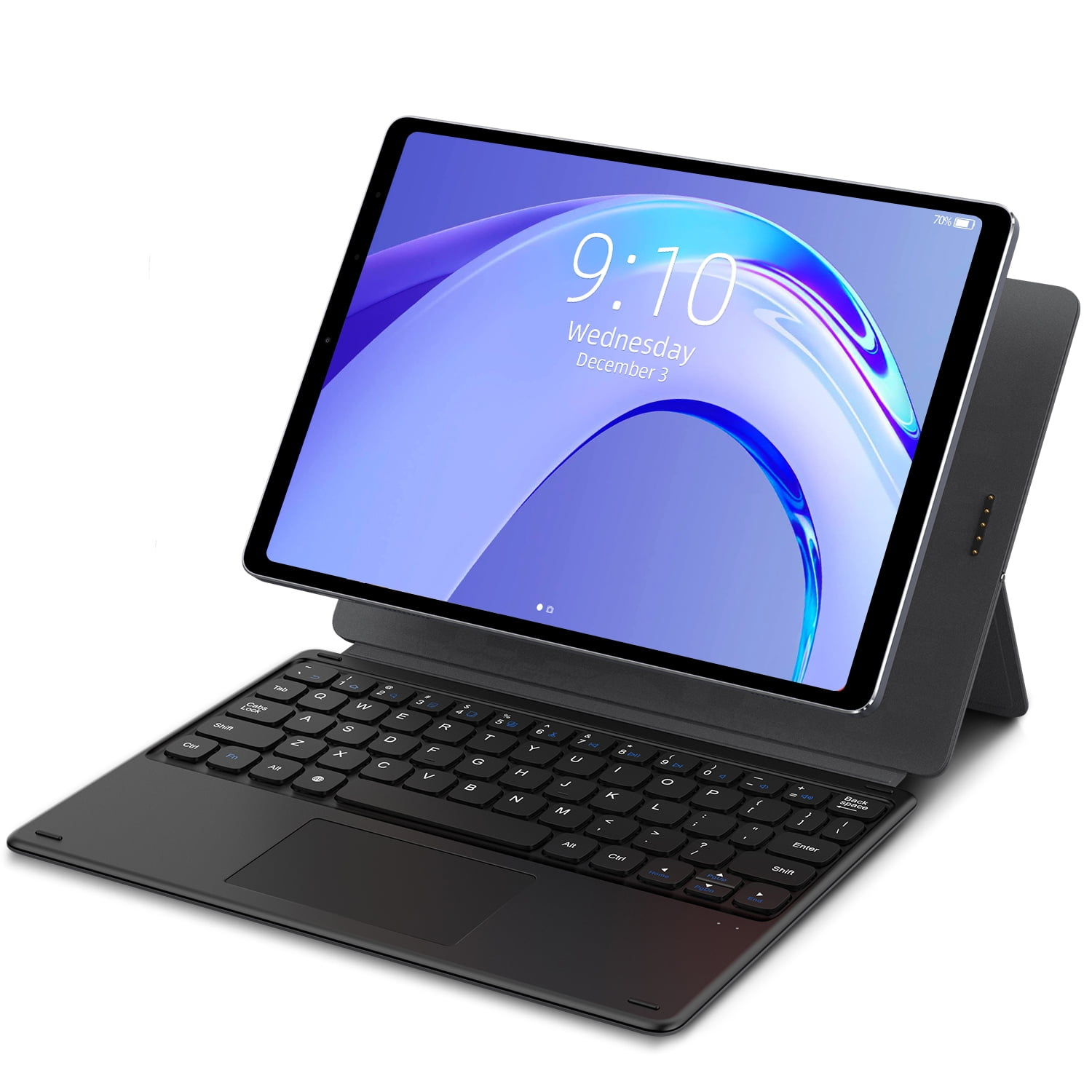

This Tablet Pc Market Analysis examines the forces shaping adoption patterns and vendor strategies across global markets. The analysis reveals a market driven by compelling imperatives—digital education initiatives, enterprise mobility, and the evolution of tablets into productivity tools—while constrained by supply chain pressures, consumer replacement cycles, and competition from adjacent device categories. Understanding these dynamics is essential for stakeholders seeking to navigate the market's evolution from entertainment-centric devices toward versatile computing platforms. The balance between drivers and restraints varies significantly by region, user segment, and product category, creating a complex landscape that rewards strategic focus and operational agility.
Primary Demand Drivers Across User Segments
Multiple converging forces propel tablet demand across user segments. Education digitization programs represent a significant driver, with governments and institutions investing in tablets as accessible pathways to digital learning resources . Enterprise mobility creates demand for tablets in logistics, healthcare, retail, and field services, where mobile access to information and applications improves operational efficiency. Consumer demand persists for entertainment, communication, and light productivity, particularly in households where tablets serve as shared devices. Hardware advancements—larger displays, increased memory, and improved connectivity—expand the range of tasks tablets can handle, positioning them as viable alternatives to traditional PCs for many use cases. These drivers reinforce each other, creating sustained demand across diverse user populations.
Supply Constraints and Cost Pressures
Supply constraints and cost pressures represent significant restraints on market growth. Component shortages, particularly in memory, have driven list price increases across major brands and limited availability of affordable models . These pressures disproportionately affect entry-level and value-oriented segments, where margins are thin and manufacturers have limited room to absorb higher costs. The result is a premiumization shift that may exclude price-sensitive buyers from the market. Consumers facing higher prices may delay purchases or opt for alternative devices, while manufacturers may reduce emphasis on volume segments to protect profitability. These dynamics create headwinds that moderate growth in the near term.
Segment-Level Analysis: Consumer, Education, and Enterprise
The market segments reveal distinct dynamics across user groups. Consumers represent the largest segment but exhibit the most volatility, with purchasing decisions sensitive to economic conditions and product differentiation. Education represents a growing segment, driven by government initiatives and institutional procurement, with demand for durable, manageable devices that support digital learning. Enterprise adoption spans multiple industries, with requirements for security, integration, and reliability. Each segment has different priorities—consumers emphasize price and features, education buyers focus on durability and total cost of ownership, and enterprise buyers prioritize security and manageability—creating demand for tailored offerings rather than one-size-fits-all devices.
Strategic Implications for Manufacturers and Stakeholders
For manufacturers evaluating tablet strategies, the analysis suggests several imperatives. First, prioritize premium and productivity-focused segments where margins are more resilient and demand is less price-sensitive. Second, address the specific needs of education and enterprise buyers, who offer more predictable demand than consumers and value durability, manageability, and security. Third, navigate supply constraints through portfolio optimization, focusing limited component availability on higher-value products. For stakeholders across the ecosystem, the analysis indicates that tablets remain relevant devices for specific use cases—education, mobile work, content consumption—but face increasing competition from smartphones, PCs, and emerging form factors for general-purpose computing tasks.
➤ Latest Market Intelligence from Market Research Future:

