

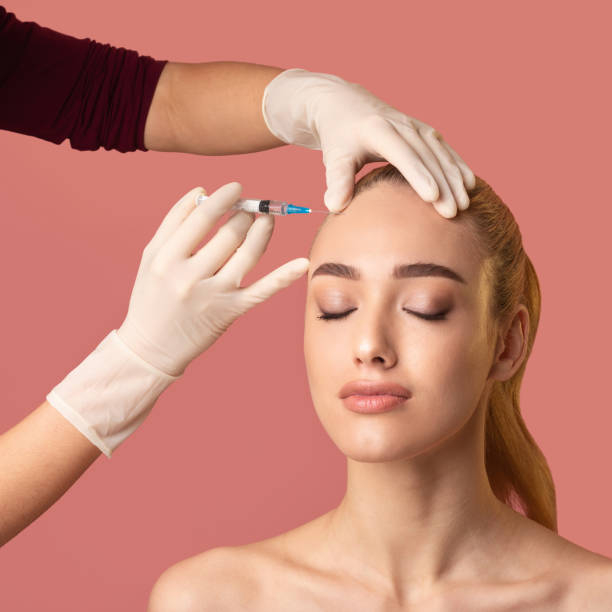
Botox is a prescription treatment used for selected cosmetic and medical purposes. It contains botulinum toxin type A, which temporarily reduces communication between nerves and targeted muscles. Although many people tolerate the treatment well, side effects can occur, ranging from temporary injection-site reactions to uncommon but serious complications.
People researching Botox Injections in Riyadh should understand both the expected effects and potential warning signs before considering treatment. Knowing which symptoms require medical attention helps patients make informed decisions and understand why professional assessment is essential.
Understanding Common Botox Side Effects
Redness, Swelling, and Tenderness
Some individuals experience temporary redness, mild swelling, or tenderness around the treatment area. These reactions are generally localized and may improve without additional treatment.
However, worsening discomfort, spreading redness, or unusual swelling should be discussed with a healthcare professional rather than automatically considered a normal reaction.
Bruising Around the Treatment Area
Bruising can occur following an injection because small blood vessels may be affected. Its appearance and duration vary between individuals.
Patients should inform their healthcare professional if they experience unusual or persistent bruising, particularly if they have a medical condition or take medication that affects bleeding.
Headache and Temporary Discomfort
Some people report headaches or mild discomfort after treatment. These symptoms may be temporary, but their severity and duration can differ.
A persistent, severe, or unusual headache should be evaluated by a healthcare professional, especially when accompanied by other concerning symptoms.
Less Common Side Effects to Understand
Eyelid or Eyebrow Drooping
Temporary eyelid or eyebrow drooping can occur after Botox. It may affect facial appearance and, in some cases, interfere with vision.
Patients should contact their healthcare professional if they notice unexpected eyelid changes. Sudden vision problems or significant visual disturbances require prompt medical evaluation.
Facial Asymmetry or Unwanted Muscle Weakness
Botox affects targeted muscle activity, but unwanted changes in facial movement can sometimes occur. These may include uneven expressions, difficulty moving certain facial muscles, or temporary weakness.
Any unexpected change should be discussed with the treating professional, particularly if it becomes more noticeable or affects everyday activities.
Serious Symptoms That Require Immediate Medical Attention
Difficulty Breathing or Swallowing
Rarely, botulinum toxin effects can spread beyond the intended treatment area. This may cause serious symptoms, including difficulty breathing, swallowing, or speaking.
These symptoms require immediate emergency medical attention. Patients should not wait for a routine follow-up appointment if they experience them.
Generalized Muscle Weakness
Unusual weakness affecting areas beyond the treatment site may indicate a more serious reaction. Other warning signs can include double vision, drooping eyelids, and difficulty controlling normal muscle movements.
Seek urgent medical assessment if these symptoms develop after treatment. Do not assume they are ordinary recovery effects.
Factors That May Influence Side Effects
Individual Medical History
Existing health conditions can influence treatment suitability and potential risks. Neuromuscular disorders, breathing difficulties, swallowing problems, and certain allergies should be discussed before treatment.
A healthcare professional should review previous reactions and relevant medical information before deciding whether Botox is appropriate.
Medications and Supplements
Some prescription medicines and supplements may affect the risks associated with treatment. Patients should provide a complete list of everything they take, including over-the-counter products.
Never stop or change prescribed medication independently. Any adjustments should be discussed with the healthcare professional responsible for your care.
Product Quality and Professional Qualifications
Product authenticity and professional experience are important safety considerations. Counterfeit or improperly stored products may increase the possibility of unexpected complications.
People researching botox treatment in riyadh should prioritize appropriately qualified healthcare professionals, approved products, and suitable clinical settings rather than relying on promotional claims.
When Should You Contact a Healthcare Professional?
Symptoms That Need Medical Advice
Contact the treating professional if you experience persistent swelling, worsening discomfort, unexpected facial changes, or side effects that concern you.
A healthcare professional can evaluate the symptoms and determine whether further assessment is needed. Do not attempt to manage unusual reactions using unverified online remedies.
When Emergency Care Is Necessary
Difficulty breathing, swallowing, or speaking requires immediate emergency medical attention. Significant generalized weakness or sudden serious vision problems also warrant urgent evaluation.
Clearly explaining when symptoms began and mentioning any recent Botox treatment can help healthcare professionals assess the situation.
How to Discuss Side Effects Before Treatment
Ask Questions During the Consultation
Before considering Botox Injections in Riyadh, ask about common reactions, uncommon complications, expected results, and appropriate follow-up arrangements. Discuss your medical history, allergies, previous treatments, and current medications.
A responsible professional should explain the potential risks without promising completely risk-free results. You should also know whom to contact if unexpected symptoms develop.
Conclusion
Botox may provide temporary benefits for selected cosmetic and medical concerns, but side effects are possible. Mild redness, bruising, tenderness, and headaches can occur, while rare complications may require urgent medical attention. Understanding warning signs and seeking appropriate professional advice are essential parts of treatment safety.
For those seeking expert guidance and customized aesthetic care, you can book an appointment consultation at the Enfield Royal Riyadh.
Frequently Asked Questions
1. What are the most common Botox side effects?
Common side effects include temporary redness, swelling, bruising, tenderness, and headache around the treatment area.
2. Can Botox cause eyelid drooping?
Yes. Temporary eyelid or eyebrow drooping can occur and should be discussed with a healthcare professional.
3. When should I seek emergency help after Botox?
Seek immediate emergency care for difficulty breathing, swallowing, or speaking, or significant generalized muscle weakness.
4. Can medications increase Botox side effects?
Some medicines may affect treatment risks. Always disclose prescription medicines, supplements, and over-the-counter products.
5. Are Botox side effects permanent?
Many common reactions are temporary, but duration varies. Serious or persistent symptoms require professional medical assessment.

