

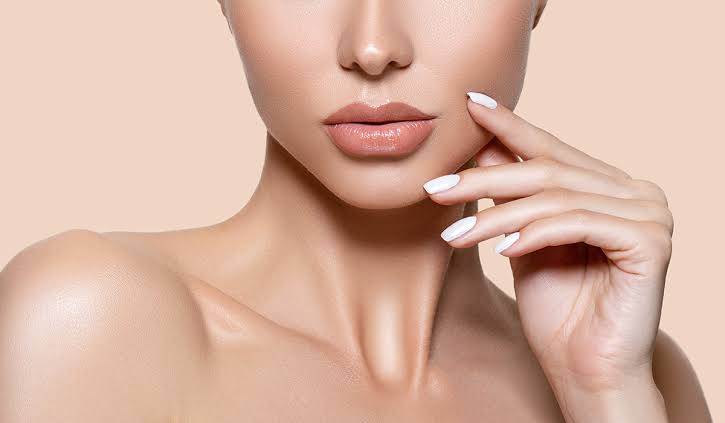

A well-defined upper lip can create a balanced and harmonious facial appearance, which is why many people explore cosmetic procedures designed to enhance this area. However, understanding the recovery process is just as important as knowing what the treatment involves. A Bullhorn Lip Lift in Dubai is a cosmetic procedure that shortens the distance between the base of the nose and the upper lip, creating a more visible upper lip and a refined smile. Although the procedure itself is relatively short, healing takes time and happens gradually. Knowing what to expect during each recovery stage can help individuals prepare for the process, follow appropriate care instructions, and feel more confident throughout their transformation.
Understanding the Bullhorn Lip Lift Healing Process
Healing after an upper lip lift is a gradual process that involves several stages. The initial recovery period focuses on reducing swelling, managing tenderness, and allowing the incision beneath the nose to begin closing. As the tissues recover, the upper lip gradually settles into its new position.
Most people notice significant improvement within the first two weeks, although complete healing and scar maturation can take several months. Recovery timelines differ depending on individual healing patterns, skin characteristics, and how closely post-procedure instructions are followed.
It is important to remember that the initial appearance does not represent the final result. Mild swelling and tightness can temporarily affect the shape of the upper lip.
How Long Does It Take to Recover Completely?
The recovery period varies from person to person, but most individuals can expect noticeable improvement within two to three weeks. However, deeper tissue healing and scar refinement continue for a longer period.
First 24 to 48 Hours After the Procedure
The first couple of days are generally associated with swelling, mild discomfort, tenderness, and tightness around the upper lip. The area beneath the nose may also appear slightly swollen or sensitive.
During this stage, the body begins its natural healing response. Following the recommended care instructions, avoiding unnecessary pressure on the treated area, and allowing sufficient rest can support recovery.
First Week of Healing
Swelling and bruising may remain noticeable during the first week, although their intensity generally begins to decrease. The incision area may feel tight, and facial movements such as smiling or speaking widely can feel uncomfortable.
Keeping the incision clean according to the provided instructions is important. Individuals should also avoid activities that stretch the upper lip excessively while the tissues are still healing.
Second Week of Recovery
By the second week, many people notice a considerable reduction in swelling and tenderness. The incision may begin looking more settled, although some redness and sensitivity can remain.
Depending on the healing progress and the type of closure used, any scheduled suture removal or follow-up assessment may take place during this period. Normal daily activities can often be resumed gradually, subject to professional guidance.
Third and Fourth Weeks
During the third and fourth weeks, the upper lip usually looks more natural as the remaining swelling continues to subside. The incision may still appear slightly pink or raised, which is a normal part of scar development.
Although the external appearance improves, the underlying tissues are continuing to strengthen. Avoiding excessive stretching and following the recommended recovery routine remain important.
One to Three Months After Treatment
Between one and three months, most visible swelling has generally resolved, allowing the enhanced upper lip shape to become clearer. The incision line may gradually become softer and less noticeable.
Some individuals may experience temporary firmness or mild changes in sensation around the treated area. These changes can improve as the healing process progresses.
Three to Six Months and Beyond
Scar maturation is a longer process. Over several months, the incision generally becomes flatter, softer, and less noticeable. Individual results vary, and some scars may require additional time to mature.
Patience is important because the final appearance should be assessed after sufficient healing rather than during the early recovery period.
Factors That Can Affect Healing Time
Not everyone experiences the same recovery timeline. Several individual and procedural factors can influence how quickly the tissues heal and when the final results become visible.
Individual Healing Ability
Age, general health, skin characteristics, and natural tissue repair processes can influence recovery. Some individuals experience a relatively quick reduction in swelling, while others need additional time for the incision to settle.
Skin Type and Scar Formation
Skin characteristics can affect how an incision heals. Individuals who are naturally prone to raised or prominent scars may experience a longer scar-maturation period.
Following appropriate wound-care recommendations can help support a healthier healing process.
Surgical Technique
The technique used, the amount of tissue adjusted, and the placement of the incision can influence postoperative recovery. Careful treatment planning and appropriate closure techniques are important considerations for achieving a balanced appearance.
Following Post-Procedure Instructions
Recovery instructions are designed to protect the healing tissues and reduce unnecessary irritation. Ignoring activity restrictions, touching the incision unnecessarily, or stretching the upper lip too early may interfere with healing.
Consistent care and scheduled follow-up appointments can help identify concerns before they become more significant.
How to Support a Smooth Recovery After a Lip Lift
Taking appropriate precautions during recovery can make the healing experience more comfortable and help protect the treatment area.
Keep the Incision Area Clean
Follow the recommended cleaning routine and use only products approved for the healing incision. Avoid applying unfamiliar skincare products or makeup directly over the incision until it is considered safe.
Avoid Excessive Lip Movement
Wide smiles, exaggerated facial expressions, and excessive stretching of the upper lip can place unnecessary tension on healing tissues. Gentle facial movements are preferable during the early recovery period.
Sleep With Your Head Elevated
Keeping the head slightly elevated while sleeping may help reduce postoperative swelling. Avoid sleeping face-down or placing pressure on the upper lip.
Avoid Strenuous Physical Activities
Intense workouts and activities that increase blood flow or create pressure around the face may interfere with early recovery. Follow the recommended timeline before returning to strenuous exercise.
Protect the Healing Skin From Sun Exposure
New scars can be particularly sensitive to sunlight. Once the incision has closed and sun protection is approved, appropriate sunscreen and protective measures can help reduce unwanted pigmentation.
Attend Follow-Up Appointments
Follow-up assessments allow the healing progress to be evaluated and provide an opportunity to address concerns. Any unexpected changes should be discussed rather than managed through unapproved treatments.
What Is Normal During the Healing Period?
Certain temporary changes are commonly experienced during recovery. These may include mild swelling, bruising, tightness, tenderness, temporary numbness, and redness around the incision.
The upper lip may also appear slightly uneven during the early stages because swelling does not always resolve uniformly. These changes generally improve as the tissues settle.
However, increasing pain, spreading redness, excessive swelling, pus, fever, or persistent bleeding should not be ignored. These symptoms may indicate a complication or infection and require prompt professional assessment.
When Can You See the Final Results?
Although improvements may become noticeable within a few weeks, the final appearance takes longer to develop. The upper lip gradually settles as swelling decreases and the incision continues to mature.
Many individuals can appreciate a more defined upper lip within the first few months. However, the appearance of the scar may continue improving for six months or longer.
Maintaining realistic expectations is essential. The outcome depends on individual anatomy, healing characteristics, and the treatment approach. A properly planned procedure aims to create natural-looking proportions rather than an exaggerated change.
Is It Possible to Return to Normal Activities Quickly?
Many individuals can return to light daily routines within approximately one to two weeks, depending on their recovery progress. However, returning to normal activities does not mean that complete healing has occurred.
Work schedules, social activities, exercise, and facial movements should be adjusted according to professional recommendations. Individuals whose daily routines involve physical exertion may need additional recovery time.
Allowing the incision to heal without unnecessary tension is more important than rushing back into a regular schedule.
Book Us
Choosing the right aesthetic care setting is an important part of preparing for a successful Bullhorn Lip Lift experience. Enfield Royal Clinic Dubai focuses on personalized aesthetic care, helping individuals explore suitable options for enhancing their facial features. Those considering an upper lip enhancement can arrange a consultation to discuss their aesthetic goals, understand the healing timeline, and receive guidance about the recovery process. With appropriate planning and professional support, individuals can make informed decisions about achieving a balanced and naturally enhanced appearance.

