

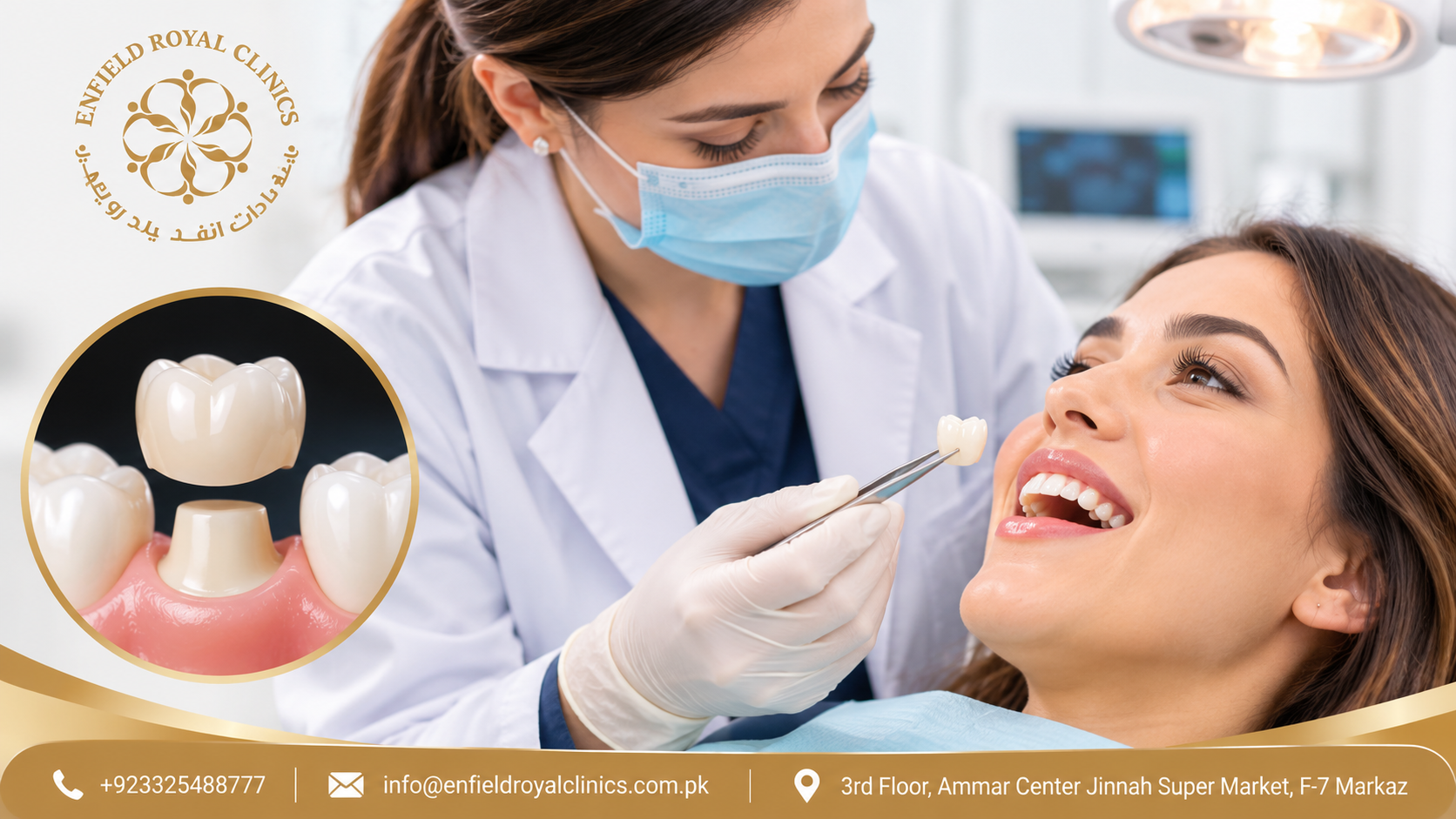

A weak tooth can create several dental problems, including sensitivity, discomfort while chewing, and an increased risk of breaking. Teeth may become weak because of extensive decay, large fillings, cracks, injuries, or excessive grinding. When a significant amount of natural tooth structure is lost, a regular filling may not provide enough support. Dental crown treatment offers a way to cover the vulnerable tooth and help protect the remaining structure.
Dental Crown Treatment in Islamabad is a restorative option for patients who need to strengthen and protect damaged teeth. A dental crown is a custom-made cap that fits over a prepared tooth, covering its visible portion above the gumline. It restores the tooth's shape and size while helping it withstand normal biting and chewing pressure. Understanding how a crown covers a weak tooth can help patients make informed decisions about their dental health.
What Is a Dental Crown and How Does It Cover a Weak Tooth?
A dental crown is a specially designed restoration that covers most or all of the visible part of a damaged tooth. It acts as a protective outer covering, supporting the remaining natural structure and restoring the tooth's normal shape.
When a tooth becomes weak, its walls may not be strong enough to handle everyday chewing forces. A crown covers the prepared tooth and helps distribute pressure across the restored surface. This can reduce stress on vulnerable areas and lower the risk of further damage when the tooth is suitable for crown placement.
Unlike a filling, which repairs only a specific portion of a tooth, a crown provides more complete coverage. It can rebuild missing tooth structure, restore the biting surface, and improve the appearance of a tooth that has become cracked, worn, or severely damaged.
The crown is made according to the size and shape required for the affected tooth. Its fit is carefully checked so that it sits comfortably and aligns properly with the surrounding teeth.
Why Do Teeth Become Weak and Need Crown Coverage?
Several dental conditions can reduce the strength of natural teeth. When the damage becomes extensive, additional protection may be necessary to preserve the remaining structure.
Extensive Tooth Decay: Large cavities can destroy significant portions of a tooth. After removing the decay, a crown may be needed to cover and support the remaining structure.
Large Dental Fillings: A tooth with a large filling may have weaker natural walls. Repeated chewing pressure can increase the risk of cracks or fractures, making a crown a suitable option in certain cases.
Cracked or Broken Teeth: Accidents, injuries, and biting hard objects can damage a tooth. A crown may cover the affected area and support the remaining structure when the fracture is suitable for restoration.
After Root Canal Treatment: Some teeth require crowns after root canal treatment, particularly when substantial tooth structure has been lost. The crown helps protect the restored tooth from fracture.
Severe Tooth Wear: Grinding and clenching can gradually wear down enamel and change the shape of teeth. In selected cases, crowns may help rebuild the worn surfaces and provide additional support.
The condition of the tooth must be examined before treatment because a crown cannot successfully restore every type of fracture or severe dental damage.
How Does Dental Crown Coverage Protect the Remaining Tooth?
The main purpose of a dental crown is to provide coverage and support to a weakened tooth. By surrounding the prepared structure, it helps protect vulnerable areas during everyday activities.
One important benefit is support against fractures. A tooth with weakened walls may be more likely to crack under biting pressure. A properly fitted crown can help hold the remaining structure together and reduce the risk of further breakage.
Another benefit is improved pressure distribution. When a tooth loses its natural shape, chewing forces may not be distributed evenly. A custom-designed crown restores the biting surface and helps the tooth work more effectively with neighbouring teeth.
A crown also provides protection from direct exposure. Damaged areas may be sensitive to temperature changes and food contact. Covering the prepared tooth can help protect these vulnerable surfaces.
In addition, crowns can restore the appearance of teeth that have become uneven, shortened, or damaged. Tooth-coloured materials can be selected to blend with the surrounding smile.
However, a crown does not make a tooth indestructible. The natural tooth underneath can still develop decay, and the crown itself can become damaged if exposed to excessive pressure or poor oral hygiene.
What Types of Dental Crowns Can Cover a Weak Tooth?
Different materials are available for dental crowns. Each option provides particular benefits, and the appropriate choice depends on the tooth's location, chewing pressure, appearance requirements, and individual dental condition.
Porcelain Crowns: Porcelain crowns are designed to resemble natural teeth. Their tooth-coloured appearance makes them a popular option for front teeth, where a natural-looking smile is important.
Zirconia Crowns: Zirconia is a strong ceramic material that combines durability with an attractive appearance. It may be suitable for front or back teeth, depending on the design and bite requirements.
Metal Crowns: Metal crowns are valued for their strength and resistance to wear. They may be considered for back teeth that experience considerable chewing pressure, although their metallic appearance may not suit every patient.
Porcelain-Fused-to-Metal Crowns: These crowns have a metal base covered with an outer porcelain layer. They provide structural support and a more natural appearance than fully metallic crowns, although the porcelain surface may chip in some situations.
The most suitable material is selected after evaluating the tooth's condition and the patient's functional and aesthetic needs.
What Happens During Dental Crown Treatment?
Dental crown treatment involves several stages to ensure that the restoration provides proper coverage and a comfortable fit.
1. Initial Dental Examination: The affected tooth and surrounding gums are examined. Dental X-rays may be taken to assess the roots and identify decay, infection, or other problems beneath the visible surface.
2. Tooth Preparation: If the tooth is suitable for a crown, it is carefully reshaped to create enough space for the restoration. Local anaesthesia is generally used to minimise discomfort. Any decay or damaged structure requiring treatment is addressed first.
3. Impression or Digital Scan: An impression or digital scan records the prepared tooth's shape. This information helps create a custom crown that fits securely and aligns with the surrounding teeth.
4. Temporary Crown Placement: A temporary crown may be placed to protect the prepared tooth while the permanent restoration is being made.
5. Permanent Crown Fitting: Once the final crown is ready, its fit, shape, colour, and bite alignment are checked. Any necessary adjustments are made before the crown is securely attached.
Accurate preparation and fitting are important because a poorly aligned crown may create discomfort or excessive pressure when biting.
How Can Patients Care for a Crowned Tooth?
Proper aftercare helps maintain the crown and protect the natural tooth underneath it. Even though crown materials cannot develop cavities, the underlying tooth can still experience decay, especially around the edges of the restoration.
Patients should brush twice daily with fluoride toothpaste and floss every day. Cleaning around the gumline helps prevent plaque from collecting near the crown's edges.
They should avoid chewing ice, hard candies, and other extremely hard objects. Patients who grind or clench their teeth may benefit from discussing a custom night guard with their dental professional.
Regular dental checkups are also important because they allow the crown's fit, bite alignment, and surrounding gum health to be monitored.
Many dental crowns last approximately 5 to 15 years, while some may last longer with suitable care. Persistent sensitivity, pain while biting, looseness, or visible damage should be assessed promptly.
For patients considering Dental Crown Treatment in Islamabad, following proper aftercare can help maintain the restoration and support long-term oral health.
For more information visit Enfield royal clinic in islamabad
Frequently Asked Questions
1. Can a dental crown completely cover a weak tooth?
Yes. A crown covers most or all of the visible prepared portion of a suitable tooth above the gumline. It supports the remaining structure and restores the tooth's shape and function.
2. Does a dental crown make a weak tooth stronger?
A crown provides additional support by covering vulnerable areas and helping distribute chewing pressure. However, it cannot guarantee that the tooth will never fracture.
3. Is a dental crown better than a filling for a weak tooth?
A filling may be suitable for limited damage, while a crown is often considered when a large portion of the tooth has become weak. The decision depends on how much healthy structure remains.
4. Can a crowned tooth still develop decay?
Yes. The crown itself cannot develop cavities, but the natural tooth underneath it can still decay, particularly around the edges. Regular brushing and flossing are essential.
5. How long does a dental crown last on a weak tooth?
Many dental crowns last around 5 to 15 years, although some may remain functional longer. Their lifespan depends on the material, placement, oral hygiene, and chewing habits.
6. Is every weak tooth suitable for a dental crown?
No. The tooth needs enough healthy structure to support the restoration. Severe root damage, deep fractures, or untreated infections may require different treatment.
Conclusion
Dental crown treatment covers a weak tooth with a custom-made restoration that supports its remaining structure, restores its natural shape, and helps protect it from further damage. It can be especially useful for teeth affected by extensive decay, large fillings, cracks, or significant wear. The right crown material and accurate placement are important for comfortable chewing and lasting results.
Dental Crown Treatment in Islamabad can help suitable patients protect weakened teeth and maintain their natural smiles. A professional dental examination helps determine whether a crown is appropriate and which restoration can provide the most suitable combination of strength, comfort, and appearance.

